How to Find Your Raspberry Pi’s IP Address

How to Find Your Raspberry Pi's IP AddressHow to Find Your Raspberry Pi's IP Address
Nate Nate (15)
Total time: 2 minutes 
Updated: July 22nd, 2020

This short guide shows you various ways to find the IP address of your Raspberry Pi.

Here’s everything you’ll need to complete this guide:

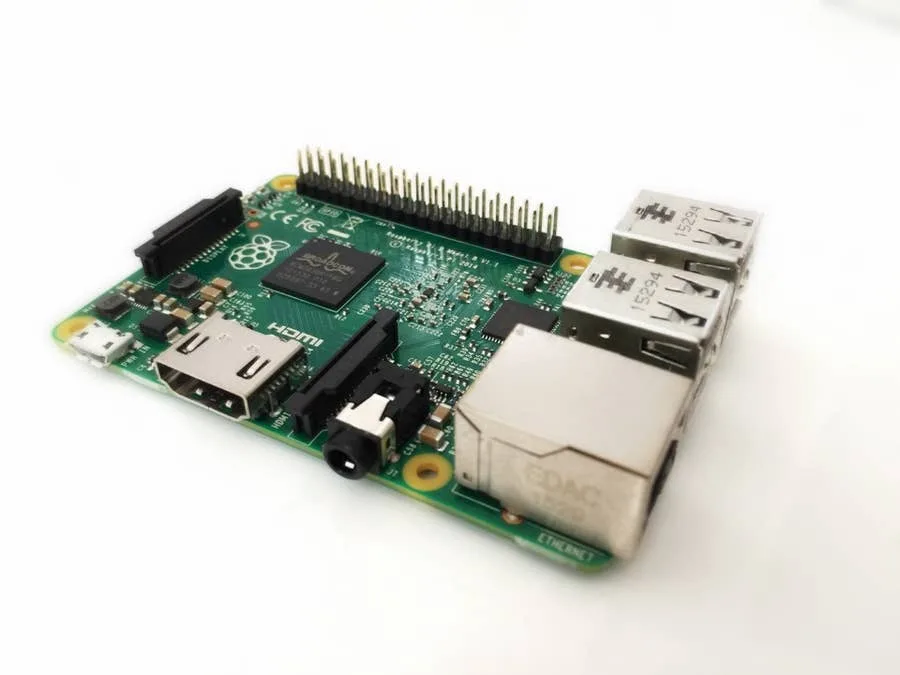
Raspberry PiRaspberry Pi×1

Using an ethernet cable or WiFi, connect your Raspberry Pi to your local network. Make sure the device is powered on.

Open a shell on Unix systems, or open the Command Prompt on Windows and run the following command:

ping raspi

This should ping your Raspberry Pi and return its IP address. If you see an error similar to cannot resolve raspi: Unknown host, try running the following instead:

ping raspberrypi

If you’re running RetroPie, you can try the following hostname:

ping retropie

If you’re having problems with this, or if you have multiple Raspberry Pi’s on the same network move on to the next step.

We can use nmap to scan our local network to find all devices that are connected. To do this we’ll have to find the IP address of our local computer.

macOS

On a Mac, open the Network Utility (cmd + space, then search for Network Utility).

Windows

On Windows, open the Network and Sharing Center (Control Panel > Network and Sharing Center > View network connections).

Linux

And on linux, type hostname -I in a shell.

You’re IP address will likely be something like: 192.168.1.181. So other devices on the same network are going to have addresses that share the first three octets: 192.168.1. The notation to describe the entire range of IP addresses between 192.168.1.0 and 192.168.1.255 is 192.168.1.0/24.

Once we determine the subnet range, we’ll use it with the nmap command:

nmap -sn 192.168.1.0/24

If you’re running on a unix system, you might be required to run this command using sudo:

sudo nmap -sn 192.168.1.0/24

You’ll then see a list of devices connected to the network:

Nmap scan report for Chromecast.attlocal.net (192.168.1.78)
Host is up (0.042s latency).
MAC Address: 54:60:09:06:76:0A (Google)
Nmap scan report for unknownc24b2b235d18.attlocal.net (192.168.1.178)
Host is up (0.038s latency).
MAC Address: C2:4B:2B:23:5D:18 (Unknown)
Nmap scan report for docker1.attlocal.net (192.168.1.181)
Host is up (0.51s latency).
MAC Address: B8:27:EB:79:49:F2 (Raspberry Pi Foundation)
Nmap scan report for raspberrypi.attlocal.net (192.168.1.183)
Host is up (0.51s latency).
MAC Address: B8:27:EB:95:6D:7A (Raspberry Pi Foundation)

You’ll notice here that I have a few devices, but after a quick scan you’ll notice a few Raspberry Pi’s connected to the network. From here you can discover the IP address for each Pi.

How to Find Your Raspberry Pi’s IP Address

How to Find Your Raspberry Pi's IP AddressHow to Find Your Raspberry Pi's IP Address
Nate Nate (15)
Total time: 2 minutes 
Updated: July 22nd, 2020

This short guide shows you various ways to find the IP address of your Raspberry Pi.

Here’s everything you’ll need to complete this guide:

Raspberry PiRaspberry Pi×1

Using an ethernet cable or WiFi, connect your Raspberry Pi to your local network. Make sure the device is powered on.

Open a shell on Unix systems, or open the Command Prompt on Windows and run the following command:

ping raspi

This should ping your Raspberry Pi and return its IP address. If you see an error similar to cannot resolve raspi: Unknown host, try running the following instead:

ping raspberrypi

If you’re running RetroPie, you can try the following hostname:

ping retropie

If you’re having problems with this, or if you have multiple Raspberry Pi’s on the same network move on to the next step.

We can use nmap to scan our local network to find all devices that are connected. To do this we’ll have to find the IP address of our local computer.

macOS

On a Mac, open the Network Utility (cmd + space, then search for Network Utility).

Windows

On Windows, open the Network and Sharing Center (Control Panel > Network and Sharing Center > View network connections).

Linux

And on linux, type hostname -I in a shell.

You’re IP address will likely be something like: 192.168.1.181. So other devices on the same network are going to have addresses that share the first three octets: 192.168.1. The notation to describe the entire range of IP addresses between 192.168.1.0 and 192.168.1.255 is 192.168.1.0/24.

Once we determine the subnet range, we’ll use it with the nmap command:

nmap -sn 192.168.1.0/24

If you’re running on a unix system, you might be required to run this command using sudo:

sudo nmap -sn 192.168.1.0/24

You’ll then see a list of devices connected to the network:

Nmap scan report for Chromecast.attlocal.net (192.168.1.78)
Host is up (0.042s latency).
MAC Address: 54:60:09:06:76:0A (Google)
Nmap scan report for unknownc24b2b235d18.attlocal.net (192.168.1.178)
Host is up (0.038s latency).
MAC Address: C2:4B:2B:23:5D:18 (Unknown)
Nmap scan report for docker1.attlocal.net (192.168.1.181)
Host is up (0.51s latency).
MAC Address: B8:27:EB:79:49:F2 (Raspberry Pi Foundation)
Nmap scan report for raspberrypi.attlocal.net (192.168.1.183)
Host is up (0.51s latency).
MAC Address: B8:27:EB:95:6D:7A (Raspberry Pi Foundation)

You’ll notice here that I have a few devices, but after a quick scan you’ll notice a few Raspberry Pi’s connected to the network. From here you can discover the IP address for each Pi.

Jump to step

How to Find Your Raspberry Pi’s IP Address

How to Find Your Raspberry Pi's IP AddressHow to Find Your Raspberry Pi's IP Address
Nate Nate (15)
Total time: 2 minutes 
Updated: July 22nd, 2020

This short guide shows you various ways to find the IP address of your Raspberry Pi.

Here’s everything you’ll need to complete this guide:

Raspberry PiRaspberry Pi×1

Using an ethernet cable or WiFi, connect your Raspberry Pi to your local network. Make sure the device is powered on.

Open a shell on Unix systems, or open the Command Prompt on Windows and run the following command:

ping raspi

This should ping your Raspberry Pi and return its IP address. If you see an error similar to cannot resolve raspi: Unknown host, try running the following instead:

ping raspberrypi

If you’re running RetroPie, you can try the following hostname:

ping retropie

If you’re having problems with this, or if you have multiple Raspberry Pi’s on the same network move on to the next step.

We can use nmap to scan our local network to find all devices that are connected. To do this we’ll have to find the IP address of our local computer.

macOS

On a Mac, open the Network Utility (cmd + space, then search for Network Utility).

Windows

On Windows, open the Network and Sharing Center (Control Panel > Network and Sharing Center > View network connections).

Linux

And on linux, type hostname -I in a shell.

You’re IP address will likely be something like: 192.168.1.181. So other devices on the same network are going to have addresses that share the first three octets: 192.168.1. The notation to describe the entire range of IP addresses between 192.168.1.0 and 192.168.1.255 is 192.168.1.0/24.

Once we determine the subnet range, we’ll use it with the nmap command:

nmap -sn 192.168.1.0/24

If you’re running on a unix system, you might be required to run this command using sudo:

sudo nmap -sn 192.168.1.0/24

You’ll then see a list of devices connected to the network:

Nmap scan report for Chromecast.attlocal.net (192.168.1.78)
Host is up (0.042s latency).
MAC Address: 54:60:09:06:76:0A (Google)
Nmap scan report for unknownc24b2b235d18.attlocal.net (192.168.1.178)
Host is up (0.038s latency).
MAC Address: C2:4B:2B:23:5D:18 (Unknown)
Nmap scan report for docker1.attlocal.net (192.168.1.181)
Host is up (0.51s latency).
MAC Address: B8:27:EB:79:49:F2 (Raspberry Pi Foundation)
Nmap scan report for raspberrypi.attlocal.net (192.168.1.183)
Host is up (0.51s latency).
MAC Address: B8:27:EB:95:6D:7A (Raspberry Pi Foundation)

You’ll notice here that I have a few devices, but after a quick scan you’ll notice a few Raspberry Pi’s connected to the network. From here you can discover the IP address for each Pi.

How to Find Your Raspberry Pi’s IP Address

How to Find Your Raspberry Pi's IP AddressHow to Find Your Raspberry Pi's IP Address
Nate Nate (15)
Total time: 2 minutes 
Updated: July 22nd, 2020

This short guide shows you various ways to find the IP address of your Raspberry Pi.

Here’s everything you’ll need to complete this guide:

Raspberry PiRaspberry Pi×1

How to Find Your Raspberry Pi’s IP Address

piosx
Nate Nate (15)
Total time: 2 minutes 
Updated: July 22nd, 2020
Nate
1
 
1

Here’s everything you’ll need to complete this guide:

Raspberry PiRaspberry Pi×1
Raspberry Pi
Jump to step
Calling all writers!

We’re hiring. Write for Howchoo

1
 
1
In these interests
pi
PRIMARY
215 guides
osx
47 guides
pi
PRIMARY
215 guides
osx
47 guides
PRIMARY
Jump to step

Using an ethernet cable or WiFi, connect your Raspberry Pi to your local network. Make sure the device is powered on.

Open a shell on Unix systems, or open the Command Prompt on Windows and run the following command:

ping raspi

This should ping your Raspberry Pi and return its IP address. If you see an error similar to cannot resolve raspi: Unknown host, try running the following instead:

ping raspberrypi

If you’re running RetroPie, you can try the following hostname:

ping retropie

If you’re having problems with this, or if you have multiple Raspberry Pi’s on the same network move on to the next step.

We can use nmap to scan our local network to find all devices that are connected. To do this we’ll have to find the IP address of our local computer.

macOS

On a Mac, open the Network Utility (cmd + space, then search for Network Utility).

Windows

On Windows, open the Network and Sharing Center (Control Panel > Network and Sharing Center > View network connections).

Linux

And on linux, type hostname -I in a shell.

You’re IP address will likely be something like: 192.168.1.181. So other devices on the same network are going to have addresses that share the first three octets: 192.168.1. The notation to describe the entire range of IP addresses between 192.168.1.0 and 192.168.1.255 is 192.168.1.0/24.

Once we determine the subnet range, we’ll use it with the nmap command:

nmap -sn 192.168.1.0/24

If you’re running on a unix system, you might be required to run this command using sudo:

sudo nmap -sn 192.168.1.0/24

You’ll then see a list of devices connected to the network:

Nmap scan report for Chromecast.attlocal.net (192.168.1.78)
Host is up (0.042s latency).
MAC Address: 54:60:09:06:76:0A (Google)
Nmap scan report for unknownc24b2b235d18.attlocal.net (192.168.1.178)
Host is up (0.038s latency).
MAC Address: C2:4B:2B:23:5D:18 (Unknown)
Nmap scan report for docker1.attlocal.net (192.168.1.181)
Host is up (0.51s latency).
MAC Address: B8:27:EB:79:49:F2 (Raspberry Pi Foundation)
Nmap scan report for raspberrypi.attlocal.net (192.168.1.183)
Host is up (0.51s latency).
MAC Address: B8:27:EB:95:6D:7A (Raspberry Pi Foundation)

You’ll notice here that I have a few devices, but after a quick scan you’ll notice a few Raspberry Pi’s connected to the network. From here you can discover the IP address for each Pi.

Using an ethernet cable or WiFi, connect your Raspberry Pi to your local network. Make sure the device is powered on.

Using an ethernet cable or WiFi, connect your Raspberry Pi to your local network. Make sure the device is powered on.

Connect your Raspberry Pi to the network

Open a shell on Unix systems, or open the Command Prompt on Windows and run the following command:

ping raspi

This should ping your Raspberry Pi and return its IP address. If you see an error similar to cannot resolve raspi: Unknown host, try running the following instead:

ping raspberrypi

If you’re running RetroPie, you can try the following hostname:

ping retropie

If you’re having problems with this, or if you have multiple Raspberry Pi’s on the same network move on to the next step.

Open a shell on Unix systems, or open the Command Prompt on Windows and run the following command:

ping raspi

This should ping your Raspberry Pi and return its IP address. If you see an error similar to cannot resolve raspi: Unknown host, try running the following instead:

ping raspberrypi

If you’re running RetroPie, you can try the following hostname:

ping retropie

If you’re having problems with this, or if you have multiple Raspberry Pi’s on the same network move on to the next step.

Use `ping` to find your Raspberry Pi’s IP

We can use nmap to scan our local network to find all devices that are connected. To do this we’ll have to find the IP address of our local computer.

macOS

On a Mac, open the Network Utility (cmd + space, then search for Network Utility).

Windows

On Windows, open the Network and Sharing Center (Control Panel > Network and Sharing Center > View network connections).

Linux

And on linux, type hostname -I in a shell.

You’re IP address will likely be something like: 192.168.1.181. So other devices on the same network are going to have addresses that share the first three octets: 192.168.1. The notation to describe the entire range of IP addresses between 192.168.1.0 and 192.168.1.255 is 192.168.1.0/24.

Once we determine the subnet range, we’ll use it with the nmap command:

nmap -sn 192.168.1.0/24

If you’re running on a unix system, you might be required to run this command using sudo:

sudo nmap -sn 192.168.1.0/24

You’ll then see a list of devices connected to the network:

Nmap scan report for Chromecast.attlocal.net (192.168.1.78)
Host is up (0.042s latency).
MAC Address: 54:60:09:06:76:0A (Google)
Nmap scan report for unknownc24b2b235d18.attlocal.net (192.168.1.178)
Host is up (0.038s latency).
MAC Address: C2:4B:2B:23:5D:18 (Unknown)
Nmap scan report for docker1.attlocal.net (192.168.1.181)
Host is up (0.51s latency).
MAC Address: B8:27:EB:79:49:F2 (Raspberry Pi Foundation)
Nmap scan report for raspberrypi.attlocal.net (192.168.1.183)
Host is up (0.51s latency).
MAC Address: B8:27:EB:95:6D:7A (Raspberry Pi Foundation)

You’ll notice here that I have a few devices, but after a quick scan you’ll notice a few Raspberry Pi’s connected to the network. From here you can discover the IP address for each Pi.

We can use nmap to scan our local network to find all devices that are connected. To do this we’ll have to find the IP address of our local computer.

macOS

On a Mac, open the Network Utility (cmd + space, then search for Network Utility).

Windows

On Windows, open the Network and Sharing Center (Control Panel > Network and Sharing Center > View network connections).

Linux

And on linux, type hostname -I in a shell.

You’re IP address will likely be something like: 192.168.1.181. So other devices on the same network are going to have addresses that share the first three octets: 192.168.1. The notation to describe the entire range of IP addresses between 192.168.1.0 and 192.168.1.255 is 192.168.1.0/24.

Once we determine the subnet range, we’ll use it with the nmap command:

nmap -sn 192.168.1.0/24

If you’re running on a unix system, you might be required to run this command using sudo:

sudo nmap -sn 192.168.1.0/24

You’ll then see a list of devices connected to the network:

Nmap scan report for Chromecast.attlocal.net (192.168.1.78)
Host is up (0.042s latency).
MAC Address: 54:60:09:06:76:0A (Google)
Nmap scan report for unknownc24b2b235d18.attlocal.net (192.168.1.178)
Host is up (0.038s latency).
MAC Address: C2:4B:2B:23:5D:18 (Unknown)
Nmap scan report for docker1.attlocal.net (192.168.1.181)
Host is up (0.51s latency).
MAC Address: B8:27:EB:79:49:F2 (Raspberry Pi Foundation)
Nmap scan report for raspberrypi.attlocal.net (192.168.1.183)
Host is up (0.51s latency).
MAC Address: B8:27:EB:95:6D:7A (Raspberry Pi Foundation)

You’ll notice here that I have a few devices, but after a quick scan you’ll notice a few Raspberry Pi’s connected to the network. From here you can discover the IP address for each Pi.

Use `nmap` to find your Raspberry Pi’s IP

Calling all writers!

We’re hiring. Write for Howchoo

Nate's profile pictureNate
Joined in 2015
Kerbal Space Industrialist and Walking Beard
Nate's profile picture
Share this guide!
RedditEmailTextPinterest
Related to this guide:
Best Raspberry Pi Beginngers BooksBest Raspberry Pi Beginngers Books
For Raspberry Pi beginners who still love to follow along in a book.
Michael's profile picture MichaelView
In these interests: booksretropiepi
Astro Pi on the ISSAstro Pi on the ISS
What’s better than an experiment? An experiment in space!
Michael's profile picture MichaelView
In these interests: kidspinews
Best Raspberry Pi Beginngers BooksBest Raspberry Pi Beginngers Books
For Raspberry Pi beginners who still love to follow along in a book.
Michael's profile picture MichaelView
In these interests: booksretropiepi
Michael's profile pictureViewbooksretropiepi
Astro Pi on the ISSAstro Pi on the ISS
What’s better than an experiment? An experiment in space!
Michael's profile picture MichaelView
In these interests: kidspinews
Michael's profile pictureViewkidspinewsAsh's profile pictureViewpi
People also read:
The Kali Linux and Raspberry Pi logos, side by side
Kali Linux is a great distribution for Raspberry Pi users who want to get to grips with security testing.
Raspberry Pi Web Server LAMP Stack
The Raspberry Pi micro-computer grows in power with each new model release, with more resources that make it a more capable, low-cost content server for your media and resources.
NEMS and Raspberry Pi Logos
Laptops, smartphones, tablets, even lightbulbs—an endless number of devices now have the ability to connect to your local network and the wider internet.
How to Boot Your Raspberry Pi 4 From a USB Drive
The Raspberry Pi was designed to boot from an SD card, but in some cases, it’s convenient to boot from a USB drive.
Raspberry Pi OS
Get the new official Raspberry Pi OS on your Pi.
Raspberry Pi FAQ
New to the Raspberry Pi? Start here.
The Pi-hole logo
Blocking ads just got easier with Pi-hole, a network-wide ad blocker for the Raspberry Pi
Raspberry Pi 4 Cases 2020
Don’t skip out on a proper case for your Pi 4.
Setting up Bluetooth on a Raspberry Pi
The only Raspberry Pi Bluetooth guide you’ll ever need.
Raspberry Pi Windows
Your favorite MS OS on the Pi.
The Kali Linux and Raspberry Pi logos, side by side
Kali Linux is a great distribution for Raspberry Pi users who want to get to grips with security testing.
Raspberry Pi Web Server LAMP Stack
The Raspberry Pi micro-computer grows in power with each new model release, with more resources that make it a more capable, low-cost content server for your media and resources.
NEMS and Raspberry Pi Logos
Laptops, smartphones, tablets, even lightbulbs—an endless number of devices now have the ability to connect to your local network and the wider internet.
How to Boot Your Raspberry Pi 4 From a USB Drive
The Raspberry Pi was designed to boot from an SD card, but in some cases, it’s convenient to boot from a USB drive.
Raspberry Pi OS
Get the new official Raspberry Pi OS on your Pi.
The Kali Linux and Raspberry Pi logos, side by side
The Kali Linux and Raspberry Pi logos, side by sideHow to Install Kali Linux on a Raspberry Pi
Raspberry Pi Web Server LAMP Stack
Raspberry Pi Web Server LAMP StackHow to Set Up a Raspberry Pi Web Server
NEMS and Raspberry Pi Logos
NEMS and Raspberry Pi LogosHow to Set Up a Raspberry Pi Network Monitor
How to Boot Your Raspberry Pi 4 From a USB Drive
How to Boot Your Raspberry Pi 4 From a USB DriveHow to Boot Your Raspberry Pi 4 From a USB Drive
Raspberry Pi OS
Raspberry Pi OSHow to Install Raspberry Pi OS on Your Raspberry Pi
Raspberry Pi FAQ
New to the Raspberry Pi? Start here.
The Pi-hole logo
Blocking ads just got easier with Pi-hole, a network-wide ad blocker for the Raspberry Pi
Raspberry Pi 4 Cases 2020
Don’t skip out on a proper case for your Pi 4.
Setting up Bluetooth on a Raspberry Pi
The only Raspberry Pi Bluetooth guide you’ll ever need.
Raspberry Pi Windows
Your favorite MS OS on the Pi.
Raspberry Pi FAQ
Raspberry Pi FAQRaspberry Pi FAQ – Everything You Need To Know
The Pi-hole logo
The Pi-hole logoPi-hole: How to Set Up and Configure Pi-hole on Raspberry Pi
Raspberry Pi 4 Cases 2020
Raspberry Pi 4 Cases 2020Best Raspberry Pi 4 Cases of 2020
Setting up Bluetooth on a Raspberry Pi
Setting up Bluetooth on a Raspberry PiHow to Set Up Bluetooth on a Raspberry Pi
Raspberry Pi Windows
Raspberry Pi WindowsHow to run Windows on the Raspberry Pi
Posted in these interests:
pipi
pi
PRIMARY
The Raspberry Pi is a small, inexpensive computer developed by the Raspberry Pi Foundation in the United Kingdom.
osxosx
OS X is a series of Unix-based operating systems developed by Apple, Inc. The first public beta, called Kodiak, appeared in 2000.
pipi
pi
PRIMARY
The Raspberry Pi is a small, inexpensive computer developed by the Raspberry Pi Foundation in the United Kingdom.
PRIMARY
Explore
osxosx
OS X is a series of Unix-based operating systems developed by Apple, Inc. The first public beta, called Kodiak, appeared in 2000.
Explore
Discuss this guide:
We’re hiring!
Are you a passionate writer? We want to hear from you!
We’re hiring!
Are you a passionate writer? We want to hear from you!
View openings

Want to support Howchoo? When you buy a tool or material through one of our Amazon links, we earn a small commission as an Amazon Associate.

Donate

Leave a Reply

Your email address will not be published. Required fields are marked *