Home Interests Home

How to Lay 5/4 Wood Decking

howchoo   (467)
September 19, 2023
4 minutes

Share

Interests
Posted in these interests:

DIY

diy • 17 guides
home • 7 guides
woodworking • 4 guides

5/4 decking looks great and is very cost effective. This guide will take you through laying and securing your 5/4 decking.

1 – Choose the side you would least like to have a ripped (partial width) piece

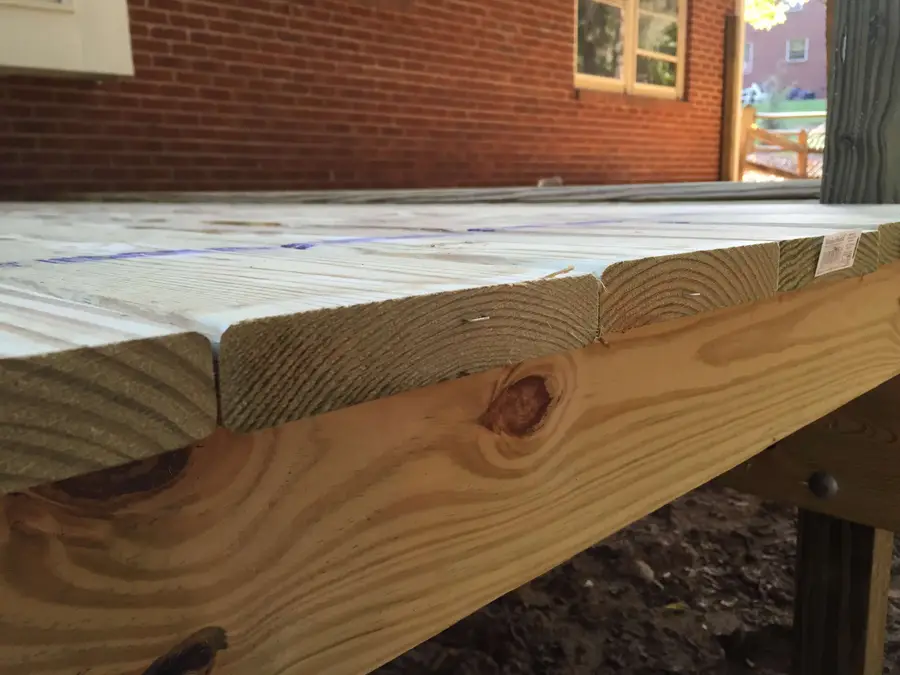
Lay your decking on the joists with plenty of space between each board.

2 – Lay the decking bark side up

Wood tends to cup towards the bark over time. Laying it this way with a nail on each edge minimizes this.

3 – Nail every 10th (or so) board

Use two nails at each intersection of the decking board and the joist. Roughly 1″ from the edge of the board works great.

Don’t forget this step. You will need the nails every so often to guide you when you nail the rest of the decking.

4 – Use blocking for fragile edges or notches

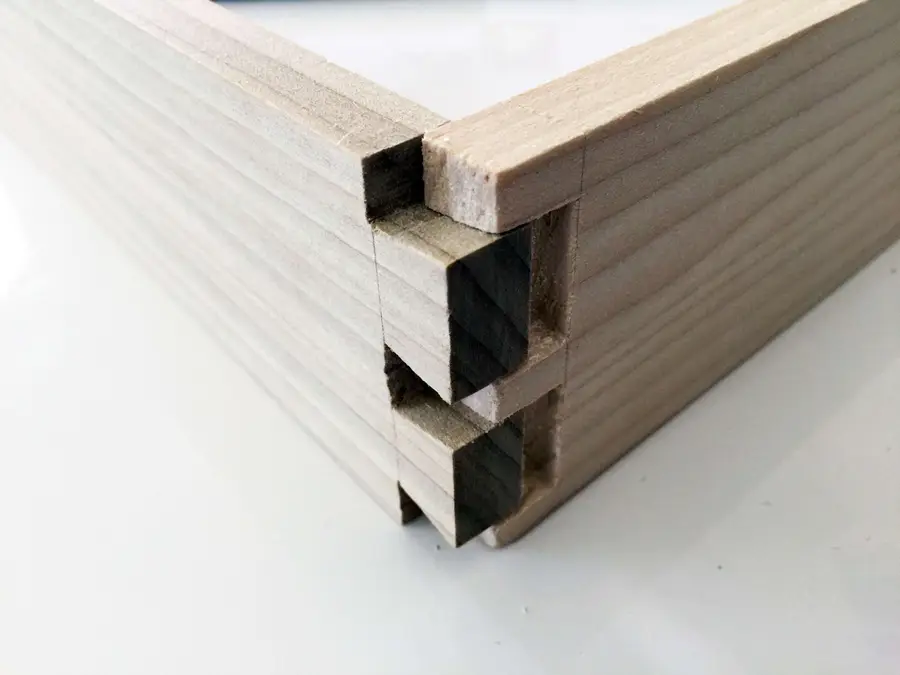
Nail the blocking however you can. It only needs to stay put until you nail the decking. Check out this guide to find out how to notch decking.

5 – Be mindful of rugged pieces

If you find a nasty edge on a piece, flip it over. That always takes precedence over the cupping issue.

6 – Make sure you’re laying your decking square

Every so often, measure from your starting point to make sure you’re laying the decking square.

To correct any issues, squeeze the decking a little tighter on the longer side.

7 – Rip the final piece

Usually your final piece will not be perfect width. Rip it to width on a table saw or with a circular saw.

8 – Nail the rest of the decking

Use the boards you already nailed as guides for your line of nails.

NEXT UP

How to Properly Dispose of a Worn or Damaged American Flag

howchoo   (467)
December 7, 2023

Since our country was conceived, the U.S. Flag has been a symbol of our country’s freedom. Our country’s Flag Code provides specific guidelines for how to “retire” a damaged or worn-out American flag. When should my American flag be retired? The US Flag Code (4 USC Sec 8 Para (k) Amended 7 July 1976) dictates that a flag

Continue Reading

howchoo

 467 guides

Introducing Howchoo, an enigmatic author whose unique pen name reflects their boundless curiosity and limitless creativity. Mysterious and multifaceted, Howchoo has emerged as a captivating storyteller, leaving readers mesmerized by the uncharted realms they craft with their words. With an insatiable appetite for knowledge and a love for exploration, Howchoo’s writing transcends conventional genres, blurring the lines between fantasy, science fiction, and the surreal. Their narratives are a kaleidoscope of ideas, weaving together intricate plots, unforgettable characters, and thought-provoking themes that challenge the boundaries of imagination.

Home Interests Kubernetes

Install Prometheus and Grafana in your Kubernetes cluster

howchoo   (467)
September 19, 2023
6 minutes

Share

Interests
Posted in these interests:
devops • 3 guides
kubernetes • 6 guides

What is Prometheus?

Prometheus is an open source systems monitoring toolkit originally developed by SoundCloud. Prometheus is now a part of the Cloud Native Computing Foundation and is managed independently of SoundCloud. Prometheus is the monitoring toolkit of choice for many Kubernetes users.

What is Grafana?

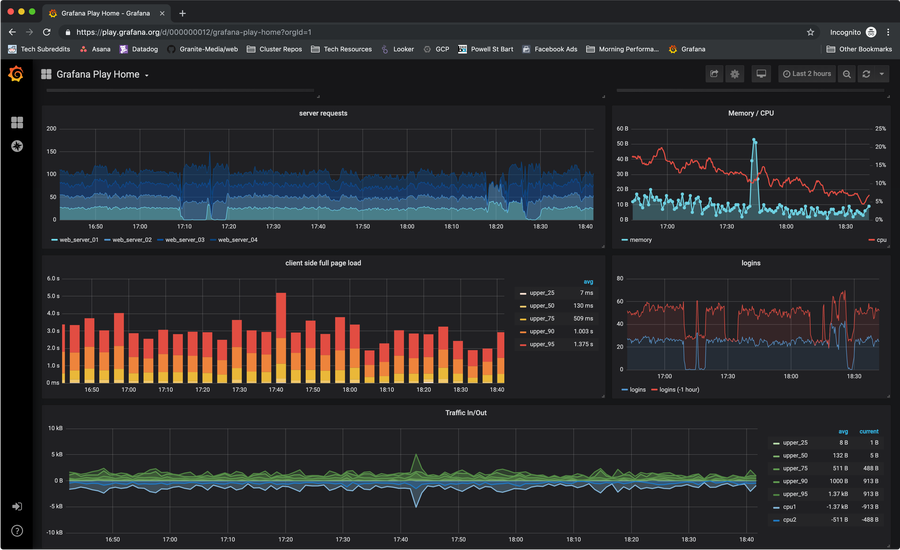
Grafana is an open source platform for visualizing time series data. It is often used as a front-end for Prometheus (and many other data sources).

What is Prometheus Operator?

Prometheus Operator is a set of resource definitions provided to create, configure, and manage Prometheus in a Kubernetes cluster.

As you can see, Prometheus and Grafana are a great, open source, set of tools for monitoring your Kubernetes cluster. In this guide, I’ll show you how to install prometheus-operator using helm, and start monitoring your cluster in just a few minutes.

1 – Install using helm

We’ll be installing prometheus-operator using this helm chart. According to the chart description, the default installation is sufficient for monitoring whichever cluster its deployed into.

However, if desired, there are plenty of values that can be configured. But for this guide, we’re going to install prometheus-operator with the default configuration.

Upgrade helm, if necessary

This may not be required, but I’m going to put it here just in case. You may need to upgrade helm before installing.

helm init --upgrade

Install the prometheus-operator chart

helm install stable/prometheus-operator --namespace monitoring --name prometheus

In the command above, I’ve run the basic helm install command but also specified the name and the namespace. Otherwise, you’ll get a random release name (something like old-camel or simple-cactus), and it will be installed in the default namespace.

You might be disappointed to hear, but that’s it! You’ve installed Prometheus and Grafana in your k8s cluster. In subsequent steps, I’ll provide a few more tips on getting logged in and set up.

2 – Logging in to Grafana

Get the password

To log in to the Grafana dashboard, you need to grab the admin password:

kubectl get secret --namespace monitoring prometheus-grafana -o jsonpath="{.data.admin-password}" | base64 --decode ; echo

Forward port 80

This chart creates a grafana service running on port 80. I’m going to use this service to forward port 3000 on our local machine to one of the grafana pods.

k port-forward -n monitoring service/prometheus-grafana 3000:80

Log in at localhost:3000

Open a browser, and navigate to http://localhost:3000. There you can log in using:

UsernamePassword
admin(the password you retrieved in the first part of this step)

Did you know Kubernetes is compatible with Superset? Check out this guide to install Apache Superset on a GKE Kubernetes Cluster.

NEXT UP

Secure Your Sensitive Data with Kubernetes Secrets

Learn how to create and use Kubernetes secrets.
howchoo   (467)
November 26, 2023

Kubernetes secrets are objects that store and manage sensitive data inside your Kubernetes cluster. One mistake developers often make is storing sensitive information like database passwords, API credentials, etc in a settings file in their codebase. This is very bad practice (hopefully for obvious reasons). Most developers know this, but still choose the option because it’s easy.

Continue Reading

howchoo

 467 guides

Introducing Howchoo, an enigmatic author whose unique pen name reflects their boundless curiosity and limitless creativity. Mysterious and multifaceted, Howchoo has emerged as a captivating storyteller, leaving readers mesmerized by the uncharted realms they craft with their words. With an insatiable appetite for knowledge and a love for exploration, Howchoo’s writing transcends conventional genres, blurring the lines between fantasy, science fiction, and the surreal. Their narratives are a kaleidoscope of ideas, weaving together intricate plots, unforgettable characters, and thought-provoking themes that challenge the boundaries of imagination.

Home Interests Raspberry Pi

How to run Windows on the Raspberry Pi

Your favorite MS OS on the Pi.
howchoo   (467)
September 19, 2023
5 minutes

Share

Interests
Posted in these interests:

PC

pc • 3 guides
pi • 92 guides
 
windows • 6 guides

Want to run Windows on the Raspberry Pi? Maybe you want to emulate the Raspberry Pi on Windows. Either way, there is a relationship between Windows and the Raspberry Pi.

Can you run Windows on the Raspberry Pi?

In short, yes. It’s possible to both install a native Windows image for the Pi and emulate older editions of Windows.

1 – Windows for the Raspberry Pi

If you want to run an official Windows image on the Raspberry Pi, you’ll need Windows 10 IoT Edition. This special edition is designed for basic IoT functions, it is not a complete Windows 10 interface.

You can find instructions on the Microsoft website for installing Windows 10 IoT Edition on a Raspberry Pi.

2 – Linux skins that resemble Windows

Boomerang Theming

At the end of the day, you’ll be hard-pressed to run a full Windows operating system on the Raspberry Pi. If you’re mainly after the look and feel of Windows, you can look for a Windows themed Linux skin.

For example, this project on Gnome Look mimics the look and feel of Windows 10.

3 – Emulators that run Windows software

If you want to run specific Windows software on the Pi but don’t care about the Windows GUI, you can try using software like Wine for compatibility. This application is designed to help run Windows applications in a Linux environment, like Raspberry Pi OS.

How to Install Raspberry Pi OS on Your Raspberry Pi
Get the new official Raspberry Pi OS on your Pi.

4 – Virtual machines

You can emulate older Windows editions on the Raspberry Pi with the help of a virtual machine, like QEMU. Versions like Windows 98 don’t require much power in the way of hardware, making the Raspberry Pi a feasible platform.

5 – Emulate the Raspberry Pi on Windows

When most people talk about emulating the Raspberry Pi, they’re referring to Raspberry Pi OS. If you’ve got a Windows machine, you can emulate Raspberry Pi OS with the help of software like VirtualBox. You can use the Raspberry Pi Desktop image when setting up the virtual machine.

If you found this guide useful, check out our guide on how to install Android on a Raspberry Pi and how to install OpenCV.

How to Install Android on Raspberry Pi
Run your favorite Android apps on the Pi!

NEXT UP

How to Run a Minecraft Server on the Raspberry Pi

A whole world trapped inside your Pi.
howchoo   (467)
December 7, 2023

There are several ways to go about running a Minecraft server on the Raspberry Pi. In this guide, I’ll cover how to install Nukkit—a cross-platform Minecraft server that’s super easy to set up on the Raspberry Pi. This server should work with PCs, consoles, and tablets running Minecraft 1.14. I’ll be using a Raspberry Pi

Continue Reading

howchoo

 467 guides

Introducing Howchoo, an enigmatic author whose unique pen name reflects their boundless curiosity and limitless creativity. Mysterious and multifaceted, Howchoo has emerged as a captivating storyteller, leaving readers mesmerized by the uncharted realms they craft with their words. With an insatiable appetite for knowledge and a love for exploration, Howchoo’s writing transcends conventional genres, blurring the lines between fantasy, science fiction, and the surreal. Their narratives are a kaleidoscope of ideas, weaving together intricate plots, unforgettable characters, and thought-provoking themes that challenge the boundaries of imagination.

Home Interests 3D Printing

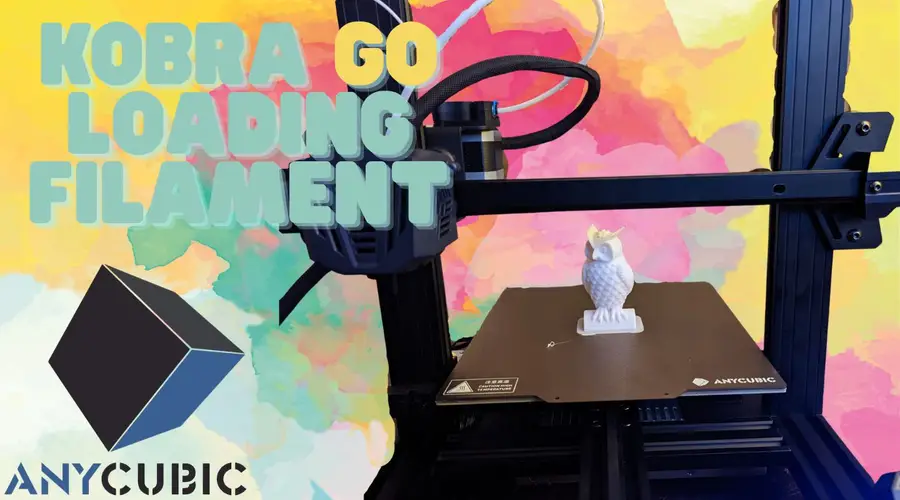
Anycubic Kobra Go: How to Load Filament

Loading filament in the Kobra Go is easy, even for 3D printing noobs!
howchoo   (436)
September 18, 2023
7 minutes

Share

You’ll Need 1

What you’ll need
Interests
Howchoo is reader-supported. As an Amazon Associate, we may earn a small affiliate commission at no cost to you when you buy through our links.
Posted in these interests:
3dprinting • 36 guides
anycubic • 6 guides

DIY

diy • 17 guides
technology • 20 guides

I dig the Anycubic line of Kobra printers in large part because of how many ease-of-use features they incorporate, from automatic leveling, to filament sensors (in some of their models). And that ease of use extends all the way to the humblest of tasks: loading filament.

The Kobra Go is a kit 3D printer that offers high quality in a DIY package that saves you a considerable wad of cash and lands you with a high-quality entry-level printer. As one would expect, it can handle all the common filament types, and loading them into the printer is a breeze.

Anycubic’s Kobra Go 3D Printer Hands-On Review
A detailed review on the Anycubic Kobra Go DIY 3D printer

1 – Turn the knob to Menu

Turn the knob to Menu

On the main screen, turn the knob to “Menu” and depress the button to select.

2 – Select “Prepare” from the menu

Select “Prepare” from the menu

From the list of control options, select “Prepare”.

3 – Scroll down and select “Load Filament”

Scroll down and select “Load Filament”

Since we want to load new filament, we’ll select this option.

4 – Select the checkmark to continue

Select the checkmark to continue

The Kobra Go will notify you that the nozzle is too cold to load new filament, so select the checkmark and allow the printer to bring itself to temperature.

5 – The Nozzle will bring itself to temperature automatically

The Nozzle will bring itself to temperature automatically

Just let the printer do its thing, this should only take a couple of minutes.

6 – When ready, load filament

When ready, load filament

The screen will notify you when it’s time to load the filament.

7 – Press the filament into the short Teflon tube

Press the filament into the short Teflon tube

The tube acts as a handy guide. make sure that you use your wire cutters to snip the filament at a sharp angle, this makes it easier to slide it in. A little bit of pressure will be needed—you can depress the button on the side of the loader to allow the filament to more easily slide into place.

You’ll know you’re finished when the machine catches the filament, and it starts moving without you pressing it.

8 – Once the filament is loaded, insert your memory card.

Once the filament is loaded, insert your memory card.

Insert your memory card that came with the Kobra Go.

9 – Select Menu and then scroll to “Print from SD Card”

Select Menu and then scroll to “Print from SD Card”

The card comes preloaded with an owl model to test things out on.

10 – If necessary, correct the Z offset

If necessary, correct the Z offset

As the print begins, you can use the knob to select the Z offset control (depress the button to select and turn to either side to move the nozzle up or down). It’s easy to ensure that your nozzle is the perfect height from the printer bed.

11 – Enjoy your new print!

Enjoy your new print!

The Anycubic Kobra Go does a great job turning out models with all the most common filament types. Try it yourself now!

NEXT UP

How to Set Up Quick Connect on a Synology NAS

Get Synology’s powerful Quickconnect running in minutes on your NAS!
howchoo   (436)
November 24, 2023

Synology is one of the most popular creators of Network Attached Storage devices on the market today, and for great reason — they’re really good at what they do. They consistently make devices that stand the test of time and feature top-notch software that makes the process of running a home server as easy as

Continue Reading

howchoo

 436 guides

Introducing Howchoo, an enigmatic author whose unique pen name reflects their boundless curiosity and limitless creativity. Mysterious and multifaceted, Howchoo has emerged as a captivating storyteller, leaving readers mesmerized by the uncharted realms they craft with their words. With an insatiable appetite for knowledge and a love for exploration, Howchoo’s writing transcends conventional genres, blurring the lines between fantasy, science fiction, and the surreal. Their narratives are a kaleidoscope of ideas, weaving together intricate plots, unforgettable characters, and thought-provoking themes that challenge the boundaries of imagination.

Home Interests Retrogaming

Lakka vs RetroPie: Which is Best?

Ready to game, but don’t know where to start?
howchoo   (467)
September 18, 2023
17 minutes

Share

Interests
Posted in these interests:
pi • 92 guides
retrogaming • 29 guides
retropie • 17 guides

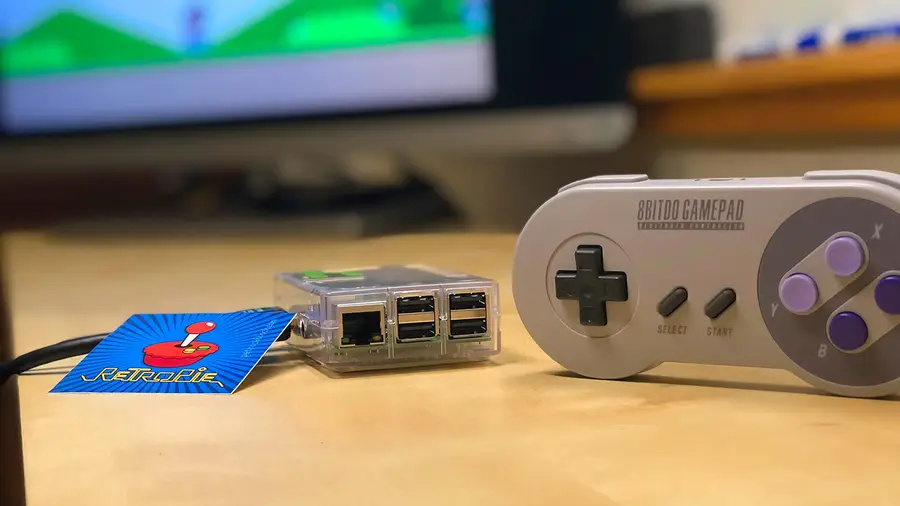
RetroPie and Lakka are two of the most popular retro gaming platforms for the Raspberry Pi. They both provide a system for makers to emulate hundreds of retro gaming classics. But how are they different and which one is best for you?

In this guide, we’ll take a look at different aspects of these platforms to help you determine the best option for your retro gaming project.

1 – What is Lakka?

Lakka is an open-source lightweight Linux distro designed to operate as a retro gaming platform. Built on top of LibreELEC, Lakka uses RetroArch to emulate a huge selection of retro gaming systems.

It’s designed to operate out-of-the-box; it comes only with cores that work with whatever architecture you choose to download. Cores contain the code necessary to emulate a specific system like NES or Playstation. Making use of the Libretro API, you can add a new core to a standalone installation of RetroArch as easily as installing a plugin. With Lakka, all of the cores are pre-installed so you have to make do with what is there. It has plenty of features like USB controller recognition, custom wallpapers, and online multiplayer.

Pros:

  • Lightweight OS
  • Supports multiple SBCs
  • Can run on the Raspberry Pi 4

Cons:

  • Restricted to only using RetroArch and provided cores

More information on Lakka

For even more information on Lakka, check our Lakka FAQs page.

2 – What is RetroPie?

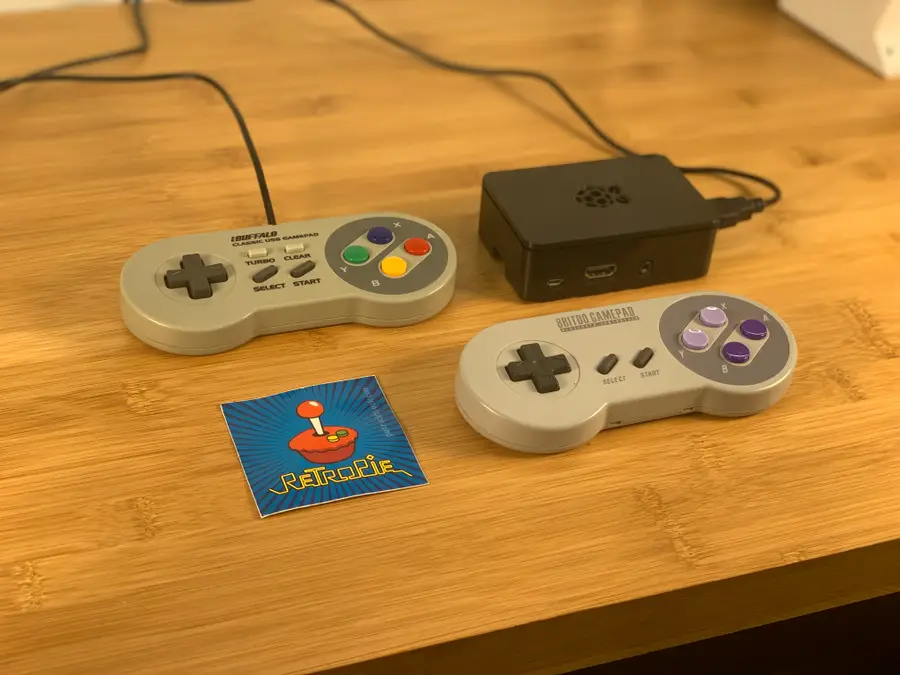
RetroPie is a retro gaming platform created from open-source emulation software. This package is only available on the Raspberry Pi. There’s no official RetroPie distribution for other SBCs.

It’s built on Raspberry Pi OS using EmulationStation as its frontend. Retropie has access to all of the cores available in RetroArch as well as standalone emulators. A desktop environment can be installed, allowing you to utilize it as a full-fledged operating system.

Pros:

  • Built on Raspberry Pi OS
  • Can add standalone emulators
  • Many customization options

Cons:

  • Only available on the Raspberry Pi
  • No support for the Raspberry Pi 4

3 – Installation

Lakka and RetroPie are both easy to install. They both offer original images that can be flashed onto an SD card. However, RetroPie can also be installed via the command line on a Raspberry Pi with Raspberry Pi OS.

Lakka

The official website provides a variety of Lakka download options. Lakka is officially supported on the Raspberry Pi Zero, Raspberry Pi, Raspberry Pi 2, 3, and 4 models. It is one of your only options when it comes to pre-built images on the Raspberry Pi 4.

RetroPie

You can find the official RetroPie package available for download on the RetroPie website. RetroPie is supported on the Raspberry Pi Zero, Raspberry Pi, Raspberry Pi 2, and 3 models. Unfortunately, Pi 4 users will have to wait, as an official RetroPie image has yet to be released for the platform.

You can read more about how to create a RetroPie gaming rig in-depth with our guide.

RetroPie: Build Your Own Raspberry Pi Retro Gaming Rig
How to install (and use) RetroPie!

Winner: RetroPie

While both Lakka and RetroPie can be easily flashed to an SD card, RetroPie can also be installed via the command line with Raspberry Pi OS. Once you’ve installed RetroPie, check out our guide to see the best controllers for RetroPie to make sure you have a proper setup!

The Best RetroPie Controllers – Top 10 (2023)
Don’t skimp on your RetroPie controller—get the best!

4 – Performance

The best comparison for Lakka and RetroPie is like playing a CD on a CD player vs a PC. On both platforms, the RetroArch content is running on the same hardware. Lakka is lighter and may give a slight performance boost. But RetroPie’s additional customization options set it apart from Lakka’s limited interface.

Lakka

Lakka is an embedded operating system. It only provides RetroArch cores and isn’t designed to support additional or custom emulation software.

RetroPie

The RetroPie image includes the full Raspberry Pi OS. It can handle much more than just RetroArch and was developed with customization in mind. You can easily add additional emulation software to your retro gaming platform with RetroPie.

Winner: Lakka

This one goes to Lakka. With a smaller dedicated package, more resources are available to help run your favorite titles.

5 – Loading emulators

Emulators are at the core of retro gaming—no pun intended. Lakka and RetroPie are similar in their support for RetroArch but differ when it comes to the installation of additional emulators.

Lakka

Lakka only comes with compatible libretro cores for the architecture you selected. You can’t add additional cores or emulation software to Lakka.

RetroPie

RetroPie includes all of the cores that come with libretro. You can include additional standalone emulators that appear in the UI using EmulationStation. Additional cores are added using the RetroPie configuration menu.

Winner: RetroPie

Lakka is too limited to win this one. RetroPie has way more options when it comes to emulation software.

6 – Loading ROMs

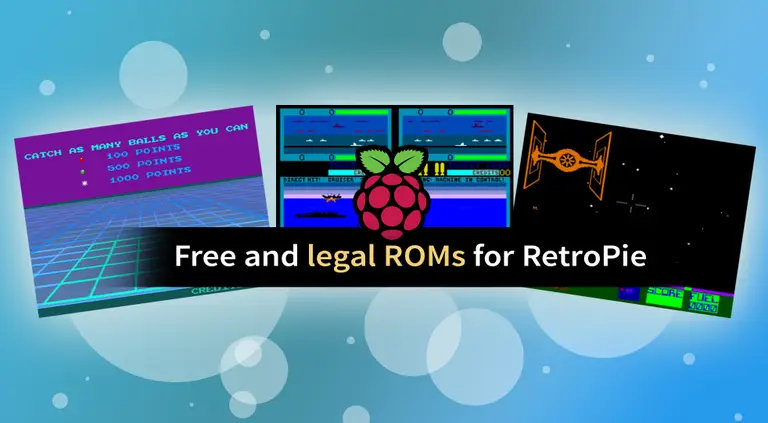
ROMs are critical to retro gaming. If you want to know where to find some, check out our guide on where to find ROMs free and legally. Lakka and RetroPie both make the ROM loading process super simple. If you can drag and drop files between two folders, you’re going to be fine.

Lakka

To load ROMs in Lakka, you need to access the Lakka file system and place them in the roms folder. The team also developed a method for adding ROMs using a USB drive.

RetroPie

Adding ROMs to RetroPie involves placing them into the roms folder. Check out our guide on how to add ROMs to RetroPie for more details on this process.

How to Add ROMs to RetroPie
You gotta put ’em somewhere!

Winner: Toss-Up

Both Lakka and RetroPie load ROMs in a similar fashion. It’s just a matter of placing your ROMs in the right folder.

7 – Customization

Retro gaming is cool and all, but so is a little personalization. Both systems provide avenues for customizing your retro gaming platform, but they definitely aren’t equal in this department.

Lakka

You can customize your Lakka interface with a few dynamic wallpaper options. These change the look and feel of the interface without moving around any elements. You can also update your ROM list with thumbnail artwork.

RetroPie

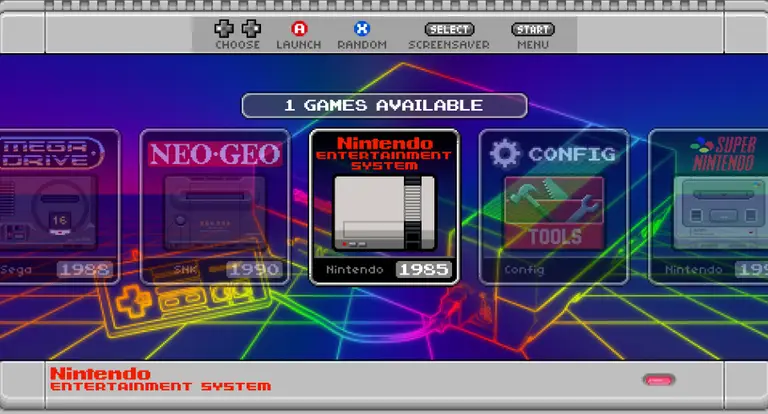
RetroPie takes customization to the next level. The RetroPie themes do a lot more than just change the background—entire elements are moved around the display. You can also take advantage of scrapers to add custom thumbnail artwork for ROMs. But the most notable customization option for RetroPie is the ability to add your own splash screen on bootup.

The Best RetroPie Themes (And How to Install Them)
You deserve some personal flair!

Winner: RetroPie

RetroPie takes the cake when it comes to customization! From themes that change the UI to custom splash screens, it has Lakka beat by a long shot.

8 – Lakka vs Retropie: Which is better?

CategoryLakkaRetroPie
Installation✔️
Performance✔️
Loading Emulators✔️
Loading Roms✔️✔️
Customization✔️

Overall, both Lakka and RetroPie are very capable emulation platforms. RetroPie offers more in the way of emulation support while Lakka provides more variety in its hardware support.

If you want a personalized retro gaming machine with a thorough selection, RetroPie is your best bet. If you want something lightweight or compatible with the Raspberry Pi 4, check out Lakka. If you just can’t decide, give them both a try and see which one works best for your retro gaming project.

Getting started

Check out our full RetroPie setup guide to get started with RetroPie!

RetroPie: Build Your Own Raspberry Pi Retro Gaming Rig
How to install (and use) RetroPie!

NEXT UP

How to Run a Minecraft Server on the Raspberry Pi

A whole world trapped inside your Pi.
howchoo   (467)
December 7, 2023

There are several ways to go about running a Minecraft server on the Raspberry Pi. In this guide, I’ll cover how to install Nukkit—a cross-platform Minecraft server that’s super easy to set up on the Raspberry Pi. This server should work with PCs, consoles, and tablets running Minecraft 1.14. I’ll be using a Raspberry Pi

Continue Reading
Home Interests RetroPie

How to change the RetroPie splash screen (or set a custom one)

Now loading cool stuff…
howchoo   (467)
September 18, 2023
10 minutes

Share

You’ll Need 1

What you’ll need
Interests
Series
Howchoo is reader-supported. As an Amazon Associate, we may earn a small affiliate commission at no cost to you when you buy through our links.
Posted in these interests:
pi • 92 guides
retrogaming • 29 guides
retropie • 17 guides

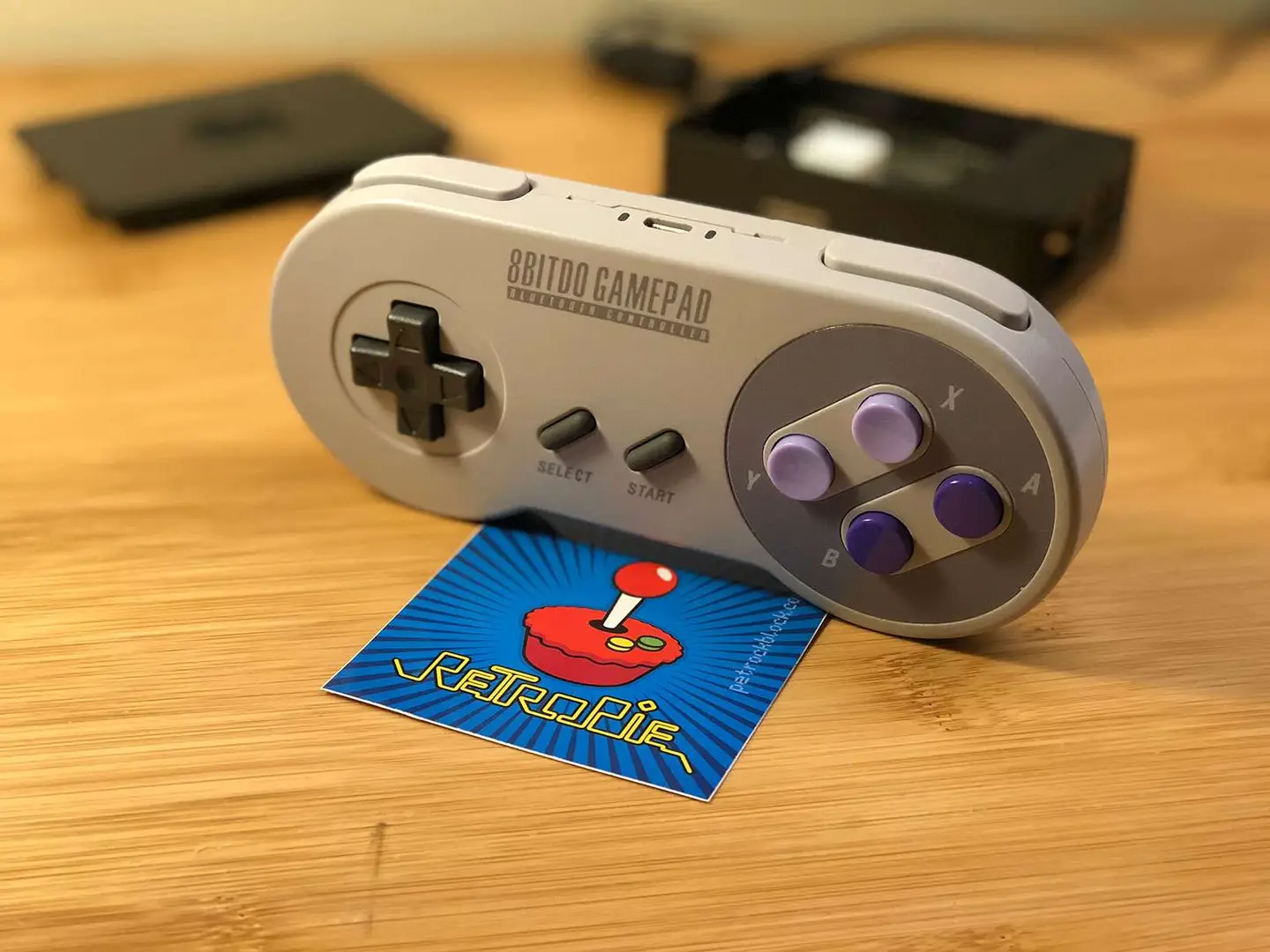
Splash screens are an incredibly fun way to customize your RetroPie setup. If you need something creative in your loading screen, this is the mod for you!

RetroPie: Build Your Own Raspberry Pi Retro Gaming Rig
How to install (and use) RetroPie!

1 – What is a splash screen?

This refers to the pictures or videos displayed while your Raspberry Pi is booting up (i.e. while RetroPie is loading). You can customize the splash screen in a variety of ways. You can choose pre-existing content or even create your own.

2 – How to change the RetroPie splash screen

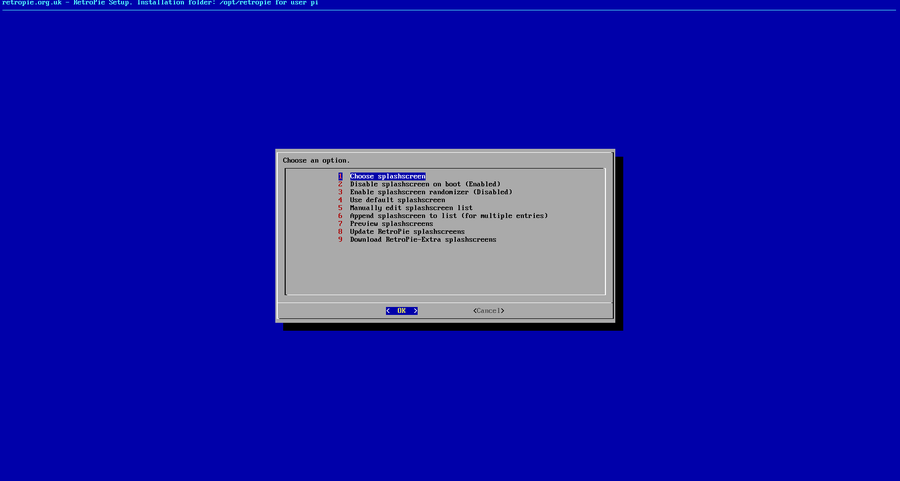
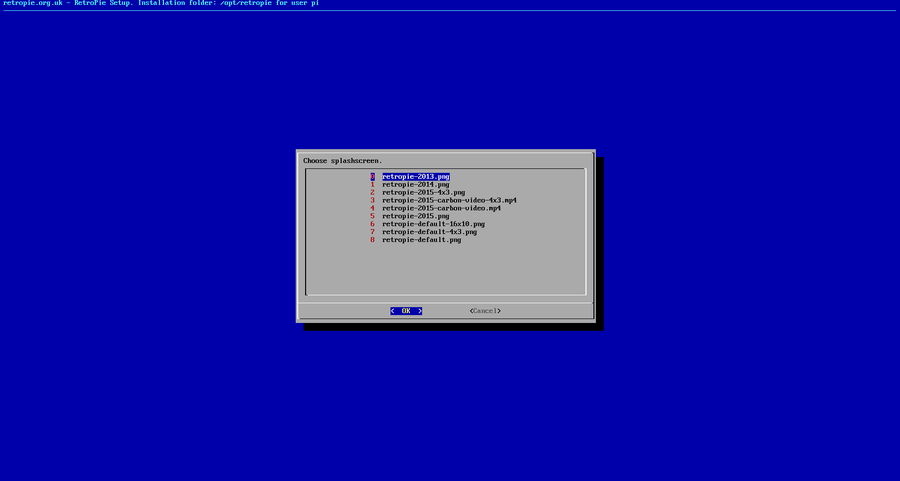
Under the configuration menu, you’ll find an option called “splash screens”. You can adjust a variety of settings for the loading screen in this menu. Use this page if you need to…

  • Change the default splash screen
  • Set the splash screen to a video
  • Disable the loading splash altogether
  • Add custom content to be used instead

3 – How to add a custom splash screen

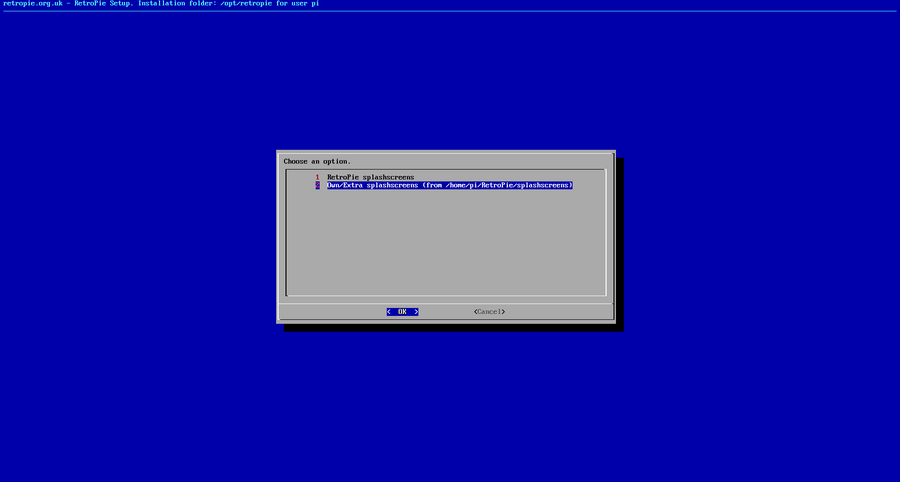
Custom splash screen content can be added to the Raspberry Pi quite easily. Using an FTP or SSH program of your choosing, store your custom splash screen content (both pictures or videos) to the following file path:

/home/pi/RetroPie/splashscreens/

If you need to, check out our guide on how to log into your Raspberry Pi.

How to Connect to a Raspberry Pi Remotely via SSH
The preferred (and most common) method of connecting to your Pi to run commands.

Note: Images and videos need to be placed into their own unique folder. For example, to place a video named myvideo.mp4, the file path would need to include a unique folder just for the file itself.

/home/pi/RetroPie/splashscreens/myvideo/myvideo.mp4

4 – Using the default splash screens

If you’re looking for something new with a little less effort, you should consider using the default RetroPie splash screens. RetroPie comes with several options for your loading display.

The default splash screens are pulled from this GitHub repository.

They can be set and accessed under the main splash screen menu. To get to this screen, open the RetroPie Configuration settings and choose “Splash Screens”.

5 – Adding a custom video

Custom videos are one of the coolest ways to add some flair to your Raspberry Pi project. Setting a custom video is almost as easy as setting a still image. The process for installation is the same, files need to be placed into this location with a unique folder:

/home/pi/RetroPie/splashscreens/

However, the video files must meet certain requirements. For optimal results, be sure to use a video file that meets the following criteria.

Video Length

If your using an older Raspberry Pi 1, the recommended length is 20 – 40 seconds. Newer models come with a faster load time, making 5 – 10 second video clips ideal.

File Size

Be sure your video file isn’t too large. You’ll need to use a file size that easily fits within your storage capacity.

File Type/Format

Finding a compatible video format is often a tricky process. The need for common codecs is sometimes lost. That being said, the recommended file type for RetroPie splash screens is mp4. The mp4 file format is officially suggested by the developers for this task.

6 – Troubleshooting

Trying to update your Pi with custom content can sometimes be an intimidating process. Is something not working right? Don’t worry, we’re here for you. This list covers the most common splash screen issues.

The wrong splash screen is displaying

If the option you set isn’t displaying properly, tackle the easiest step first and try to reboot your RetroPie. Be sure to use the shutdown option from the menu.

If the issue continues, double check the splash screen settings and make sure the screen you want is still set. If the wrong file is still displaying, there may be a problem with the custom splash screen file you’re chosen.

No splash screen is displaying

This can be caused by several factors, the most common being a simple setting under the splash screens menu. Make sure the RetroPie is set to use a splash screen.

Another common cause for no display is file corruption. Make sure the file you’ve chosen is working properly and meets the file specifications outlined above.

Video isn’t playing properly

Sometimes you’ll find your custom video won’t play during the load screen. Make sure the video is set under the default menu.

The file specifications must match the official RetroPie requirements listed here. Make sure your file is free from corruption and accessible to the Pi.

NEXT UP

How to Run a Minecraft Server on the Raspberry Pi

A whole world trapped inside your Pi.
howchoo   (467)
December 7, 2023

There are several ways to go about running a Minecraft server on the Raspberry Pi. In this guide, I’ll cover how to install Nukkit—a cross-platform Minecraft server that’s super easy to set up on the Raspberry Pi. This server should work with PCs, consoles, and tablets running Minecraft 1.14. I’ll be using a Raspberry Pi

Continue Reading
Home Interests RetroPie

The Best RetroPie Themes (And How to Install Them)

You deserve some personal flair!
howchoo   (467)
September 18, 2023
9 minutes

Share

You’ll Need 1

What you’ll need
Interests
Series
Howchoo is reader-supported. As an Amazon Associate, we may earn a small affiliate commission at no cost to you when you buy through our links.
Posted in these interests:
pi • 92 guides
retrogaming • 29 guides
retropie • 17 guides

RetroPie is one of the coolest ways to turn your Pi into a mini gaming machine. But how can we give it our own personal flair? If you’ve spent all the time, money, and effort into building your own RetroPie machine, you deserve to have a stylish theme design to go along with it. Perhaps you’re just tired of the default RetroPie/Emulation Station theme.

In this guide, we’re taking a look at the best themes RetroPie has to offer—and how YOU can get your hands on them, too!

1 – Famicom Mini

First up we have the Famicom Mini theme! If you’ve always dreamt of a teensy version of the classic Famicom system, you’re in luck!

This theme features clean, retro artwork. The colors are soft and make for a nice muted palette.

The user interface is very well structured. The console titles are presented on square blocks, each featuring custom pixel artwork of the original hardware. Once inside the list of roms, we’re greeted with a nice, well designed page to match the overall Famicom feel.

2 – TFT

TFT is a beautiful minimal design theme. Each console title takes up the complete display and features white lineart of their respective controllers.

This is a relatively dark theme with little coloring. Because of the minimal design, this theme is perfect for small screens and arcade cabinet projects.

3 – Workbench

This theme brings an incredible level of creativity to the table. It has everything you need, right where you want it and it looks just like the old school Amiga Workbench!

Are you a fan of old school tech? This is definitely the theme for you! Even the rom list has a classic retro highlight across the selected rom. This theme comes together very well to make a wonderfully creative experience.

4 – GBZ35

Whoa, what now? The title of this theme stands for Game Boy Zero 3.5”. It features another minimal design, this time with colors!

Behind each console title is minimal artwork pertaining to the console. It’s versatile for a minimal theme. It works well for various screen sizes, making it ideal for arcade cabinets and handheld projects.

Best Retroflag GPi theme for RetroPie

GBZ35 is also the best theme for the Retroflag GPi because it accommodates the GPi’s small screen well, ensuring that text is readable.

5 – Snes Mini

One of the coolest themes you’ll find is the SNES Mini theme! It features vibrant, retro artwork that looks ready to take us to a Tron-like vector wonderland.

Each console title gets its own original artwork. The list of roms is presented nicely to deliver a consistent SNES flavor to the theme.

There are plenty of themes to choose from. If you want to look at the full list of RetroPie themes, visit the official GitHub link here.

6 – How to install RetroPie themes

Many themes are available in the RetroPie theme gallery. To tap into these custom designs, you’ll need to open RetroPie Setup.

7 – Open Configuration/Tools

From the RetroPie Setup menu, choose Open Configuration/Tools. The option we’re looking for on this screen is called esthemes – Install themes for Emulation Station.

8 – Download and install themes

On this screen you can choose to download the entire gallery or maybe just a couple of themes. Each theme needs to be shown as (installed) in order to be used.

9 – Setting a theme as default

To set the theme you’ve just installed, we’ll need to reboot and go back to our home screen. From the regular menu, you can choose UI Settings to find the selection area for your default theme. This area is labeled Theme Set.

Congratulations! You should have a beautiful, custom, RetroPie theme.

NEXT UP

How to Run a Minecraft Server on the Raspberry Pi

A whole world trapped inside your Pi.
howchoo   (467)
December 7, 2023

There are several ways to go about running a Minecraft server on the Raspberry Pi. In this guide, I’ll cover how to install Nukkit—a cross-platform Minecraft server that’s super easy to set up on the Raspberry Pi. This server should work with PCs, consoles, and tablets running Minecraft 1.14. I’ll be using a Raspberry Pi

Continue Reading
Home Interests News

Free Game! theHunter: Call of the Wild on Epic Games Store

theHunter: Call of the Wild is free November 25th to December 2nd, 2021!
howchoo   (467)
September 18, 2023
8 minutes

Share

Interests
Posted in these interests:
READY PLAYER 1
gaming • 85 guides
news • 3 guides

Each week, check out my latest article for the new hit game or add-on released for free from the Epic Games Store! This week we’ve got another awesome double-feature with the special Antstream retro games pack that I already wrote about here, as theHunter: Call of the Wild, widely praised as one of the best hunting simulation games in existence. Whether you want to try the solo hunt, or dive into co-op with your friends, this game offers it all in one incredibly immersive package.

The Epic Games Store has been around for a while, the lesser-known alternative to Steam, the nearly-ubiquitous platform for game purchases since it launched in 2003. But, where Steam originally existed and launched to promote Valve games, Epic Games Store launched in 2018 and quickly rose to success on the Fortnite franchise. At the time of Epic’s launch, Steam took a dramatic 30% cut from the sales of video games through their platform! This hurt both game designers and users, just wasn’t very nice. But the folks behind Epic realized something excellent: they could take a much lower cut and still have a profitable business. This led them to fast domination of the indie market, as small publishers flocked to the far better terms offered by Epic.

Mega Discounts

Epic Games Store offers some seriously incredible discounts on a regular basis, in addition to all the normal discounts one would expect on Black Friday, Cyber Monday, and the usual holidays. But the most exciting is their weekly free game or add-on, which simply harpoons all competitors.

When I first heard about this free game, I thought that can’t be real. They must only offer tiny indie games. Not at all, dear reader. Not. At. All. Epic frequently lists unbelievable A-lister games on their weekly deal, as well as sometimes offer two free games instead of one. In addition, just because a studio is smaller doesn’t mean the games it makes aren’t impressive. I’ve picked up some of my favorite new games, for free, from this platform, and most of them have been made by smaller studios (or as side-projects for teams from big studios).

1 – theHunter: Call of the Wild

theHunter: Call of the Wild

Experience an atmospheric hunting game like no other in this realistic and visually breathtaking open world. Immerse yourself in the atmospheric single player campaign, or share the ultimate hunting experience with friends.

theHunter: Call of the Wild is probably one of the best hunting simulation games ever made, with an astounding range of landscapes, animals, and intricate simulated natural environments that just about make it feel like you’re actually in the great outdoors.

The game features a massive single player experience, but also allows you to link up with friends in co-op play to take down the fiercest and most illusive game in detailed landscapes from all around the world.

2 – Other games like this?

Other games like this?

Expansive Worlds is a development studio located in Stockholm, Sweden. It is focused on socially connected, online simulation games distributed directly to gamers. Their theHunter games are hard to match in terms of sheer realism, and right now they pretty much dominate the market of hunting sim games.

Hunting Simulator 2 is probably the next best game for hunting enthusiasts, with a fair mixture of realism and gamification that manages to make the whole experience work. Bugginess and limited features make it a bit less appealing than theHunter for some, but if you want something else in the same vein, this is the only other contender.

NEXT UP

Top 10 Enchantments in Minecraft

howchoo   (467)
March 25, 2024

The longer you play Minecraft, the more you realize that early-game tools just won’t cut it. Exploring the enchantment feature of Minecraft can be exciting, but also intimidating. Rather than worry about researching enchantments, below are the best enchantments in Minecraft! To learn how to enchant items, check out this guide! In this guide, you’ll see

Continue Reading

howchoo

 467 guides

Introducing Howchoo, an enigmatic author whose unique pen name reflects their boundless curiosity and limitless creativity. Mysterious and multifaceted, Howchoo has emerged as a captivating storyteller, leaving readers mesmerized by the uncharted realms they craft with their words. With an insatiable appetite for knowledge and a love for exploration, Howchoo’s writing transcends conventional genres, blurring the lines between fantasy, science fiction, and the surreal. Their narratives are a kaleidoscope of ideas, weaving together intricate plots, unforgettable characters, and thought-provoking themes that challenge the boundaries of imagination.

Home Interests Verizon

How to Change Your Verizon FiOS Wi-Fi Password

howchoo
howchoo (467)
September 18, 2023
5 minutes

Share

Interests
Series
Posted in these interests:
internet • 36 guides
router • 32 guides
verizon • 6 guides
Want to keep your home network safe? Knowing how to change your Wi-Fi password is network security 101. In this guide, we’ll be covering all the ways you can go about changing your Verizon FiOS Wi-Fi network password. There’s more than one way to strip a CAT5, so let’s get to it! Looking to change your Verizon FiOS network name? We can help you get started with that.

1 – Via router log in (192.168.1.1)

First you’ll need to log into your Verizon FiOS router. In most cases, the router login screen can be accessed with the IP address 192.168.1.1. Be sure to visit our guide on how to log into a Verizon FiOS router for more detailed instructions.
How to Log into a Verizon FiOS Router
Different routers often come with different user interfaces. This is the most common method for changing a FiOS Wi-Fi password.
  1. Click Change Wireless Settings
  2. Scroll to the Authentication Method section
  3. Set a new password
  4. Save the changes
However, your web interface might not match these steps exactly. In which case, you’ll need to find settings for your router model. Verizon provides an official list of Verizon FiOS routers with detailed instruction manuals on their website.

2 – Via My FiOS app

Users can also opt into using the My FiOS app to manage various account and network settings. The Wi-Fi password can be changed using the My FiOS app, as well.
  1. Open the My FiOS app
  2. Select Internet
  3. Choose your wireless network under My Networks
  4. Select Edit
  5. Set a new Wi-Fi password
  6. Save the changes

3 – Via the My Verizon app

The My Verizon app also provides a way to change the Fios Wi-Fi password.
  1. Access your My Verizon account
  2. Select Internet
  3. Choose your wireless network under My Networks
  4. Select Manage
  5. Set a new Wi-Fi password
  6. Save the changes

4 – Test the Wi-Fi password change

Once your new password is saved, it’s time to give it a test. Use any wireless device you have and try to connect to the Wi-Fi network with the new password. If it doesn’t connect, be sure to verify the new password information is correct. Congratulations! Your network has a brand new password. Be sure to review the official Wi-Fi password documentation provided by Verizon for more support.
NEXT UP

How to Enable Verizon Call Forwarding

Direct your calls elsewhere.
howchoo (467)
December 1, 2023
Call forwarding is the process of directing phone calls from one number to another. Verizon allows its customers to enable call forwarding at no additional charge. Your typical call rates will still apply. This process works for all Verizon customers regardless of your carrier—including Samsung, Apple, LG, Lenovo, and more. Note: International numbers can not
Continue Reading

howchoo

 467 guides
Introducing Howchoo, an enigmatic author whose unique pen name reflects their boundless curiosity and limitless creativity. Mysterious and multifaceted, Howchoo has emerged as a captivating storyteller, leaving readers mesmerized by the uncharted realms they craft with their words. With an insatiable appetite for knowledge and a love for exploration, Howchoo’s writing transcends conventional genres, blurring the lines between fantasy, science fiction, and the surreal. Their narratives are a kaleidoscope of ideas, weaving together intricate plots, unforgettable characters, and thought-provoking themes that challenge the boundaries of imagination.
Home Interests Home

How to use a Scandinavian bedding system

Never fight over the covers again when you use two single duvets instead of one.
howchoo (467)
September 18, 2023
7 minutes

Share

You’ll Need 5
What you’ll need
Interests
Howchoo is reader-supported. As an Amazon Associate, we may earn a small affiliate commission at no cost to you when you buy through our links.
Posted in these interests:
home • 7 guides
homedecor • 1 guides
When my husband and I spent a night in Iceland a few years ago, we were surprised to find our double bed was made with two side-by-side single duvets instead of one that covered the entire mattress. Perhaps it was just fatigue from traveling, but we’ve always remembered that night, in part, because it was one of the best nights of sleep we’ve experienced. A Scandinavian bedding system is one that layers two single sets of bedding so both sleepers can have their own blankets and covers. No more sharing, no more fighting over blankets, no more disrupting each other in your sleep. You can be alone, together. After switching to a Scandinavian bedding system this year, we couldn’t be happier with the results. We both sleep more comfortably; I don’t wake my light-sleeping husband if I move around or get up in the night; and, we can control our own bedding temperature independently. As for bedding pieces, we use two duvets, two duvet covers, two quilts, and one fitted sheet. You do not need a top flat sheet as you will not be sharing any bedding covers. We use twin-sized bedding for the separate pieces and have a king-sized bed. If you want a seamless style, opt for solid, striped, or small patterns to make the layers look less noticeable. Or, throw convention out the window and pair two different bedding styles. If you’re experimenting with this for the first time, Ikea is a great place to find inexpensive bedding pieces. Convinced? Follow these easy steps to make your bed the Scandinavian way.

1 – Make your bed with the bottom fitted sheet

Start by making your bed with the bottom fitted sheet. Because you are opting for two duvet sets and are not sharing bedding covers, you will not use a flat sheet. Protip: Looking for new sheets on a budget? Find out the best time to buy sheets and save some money.

2 – Make one side of the bed

Lay the duvet sets you are using on one side of the bed only. It doesn’t matter which side of the bed you start with. In my case, I lay the duvet and duvet cover on the bottom, then the quilt on the top. Use all single bedding pieces you are using before moving to the other side.

3 – Make the other side of the bed

Lay the duvet sets on the other side of the bed. The two sets of duvets will overlap in the middle and will now cover the entire bed.

5 – Add finishing touches

Now for the fun part! Turn down the blankets. Add any pillows and throw blankets to suit your liking. Want to complete the look of your bedroom? Check our guide to some Essential 3D Prints for your bedroom!
10+ Useful 3D prints for your bedroom Turn your bedroom into a 3D printed palace.
NEXT UP

How to Properly Dispose of a Worn or Damaged American Flag

howchoo (467)
December 7, 2023
Since our country was conceived, the U.S. Flag has been a symbol of our country’s freedom. Our country’s Flag Code provides specific guidelines for how to “retire” a damaged or worn-out American flag. When should my American flag be retired? The US Flag Code (4 USC Sec 8 Para (k) Amended 7 July 1976) dictates that a flag
Continue Reading

howchoo

 467 guides
Introducing Howchoo, an enigmatic author whose unique pen name reflects their boundless curiosity and limitless creativity. Mysterious and multifaceted, Howchoo has emerged as a captivating storyteller, leaving readers mesmerized by the uncharted realms they craft with their words. With an insatiable appetite for knowledge and a love for exploration, Howchoo’s writing transcends conventional genres, blurring the lines between fantasy, science fiction, and the surreal. Their narratives are a kaleidoscope of ideas, weaving together intricate plots, unforgettable characters, and thought-provoking themes that challenge the boundaries of imagination.