Home Interests OctoPrint

How to Set Up and Use OctoPrint on the Creality Ender 3 V2
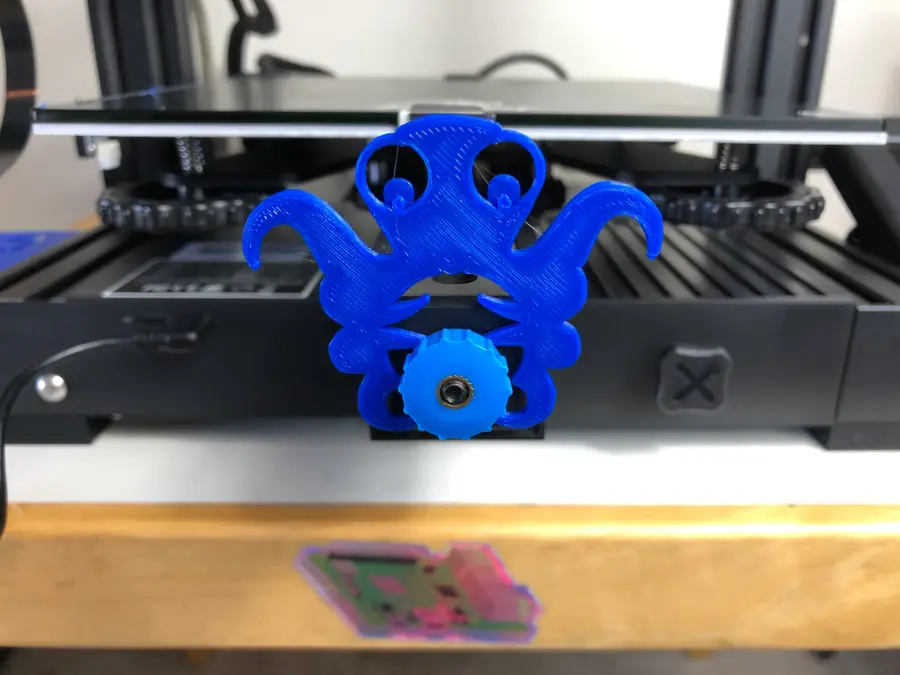
Remotely control your Ender 3 V2 with OctoPrint.
howchoo   (467)
September 28, 2023
26 minutes

Share

You’ll Need 8

What you’ll need
Interests
Series
Howchoo is reader-supported. As an Amazon Associate, we may earn a small affiliate commission at no cost to you when you buy through our links.
Posted in these interests:
3dprinting • 36 guides
ender3 • 19 guides
octoprint • 10 guides

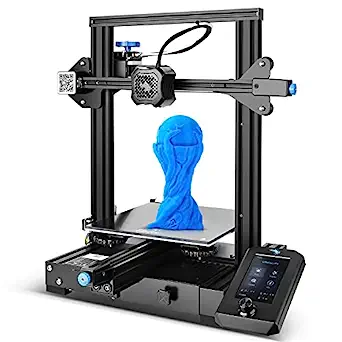
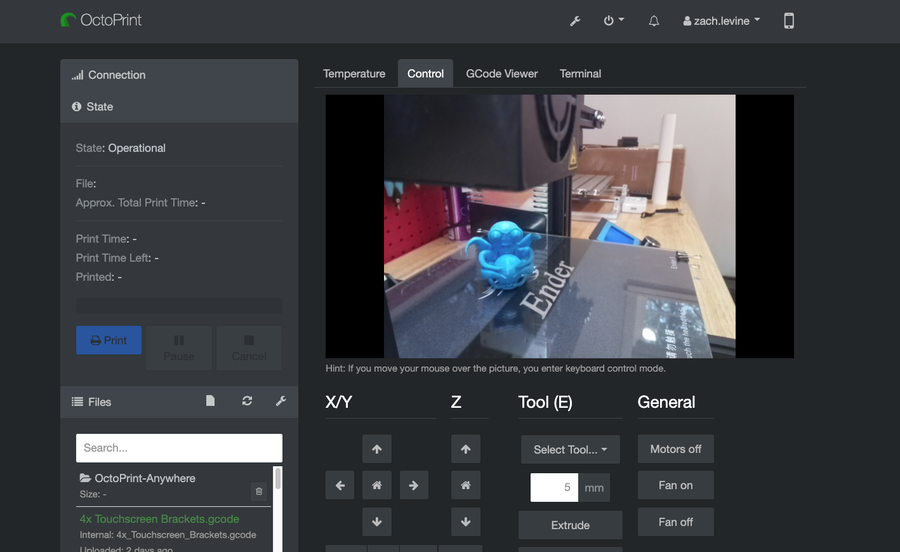
With the release of the Creality Ender 3 V2, many of the Ender’s biggest fans who upgraded to the latest version are noticing many small differences in setting up mods like OctoPrint. While we have a great guide on the original Ender 3 OctoPrint, the differences are substantial enough to warrant a completely new guide on setting up OctoPrint specifically on the Ender 3 V2.

While making this guide I ran into many Ender 3 V2-specific bumps and stops, and I’ve worked through them all so you don’t have to spend the time.

Let’s get you set up with OctoPrint on your Ender 3 V2!

1 – Ender 3 V2 OctoPrint settings

Setup OctoPrint on Raspberry Pi

First, you should follow our full guide to learn how to set up OctoPrint on your Raspberry Pi. Then hop back over this guide for the Ender 3 V2 specifics.

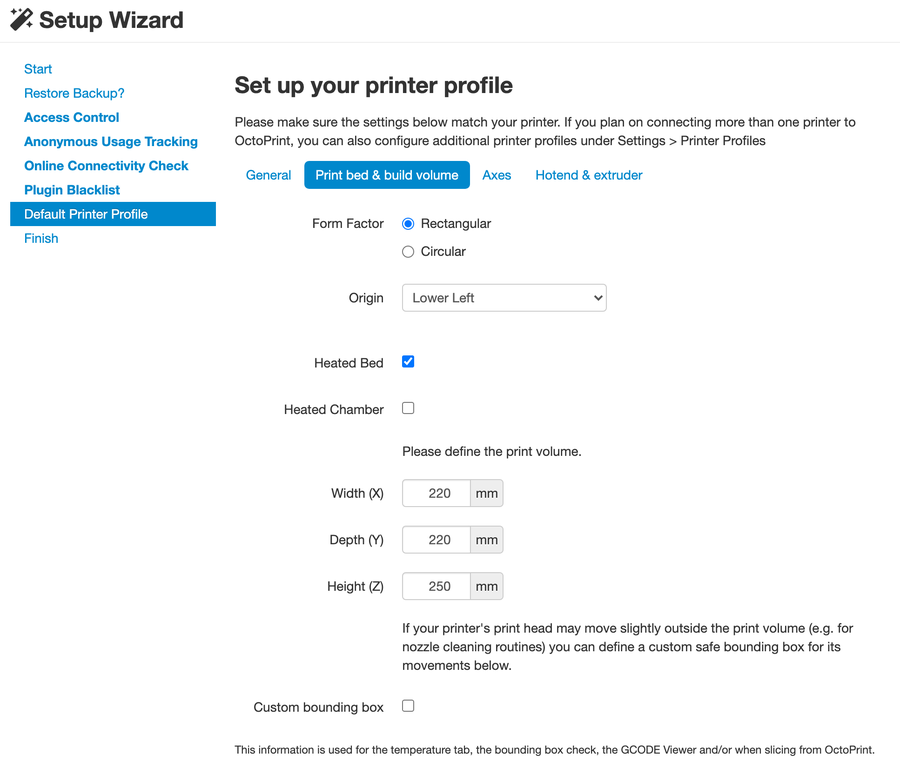
Printer Settings

Form factor: Rectangular
Origin: Lower Left
Heated Bed: Yes (checked)
Heated Chamber: No (unchecked)
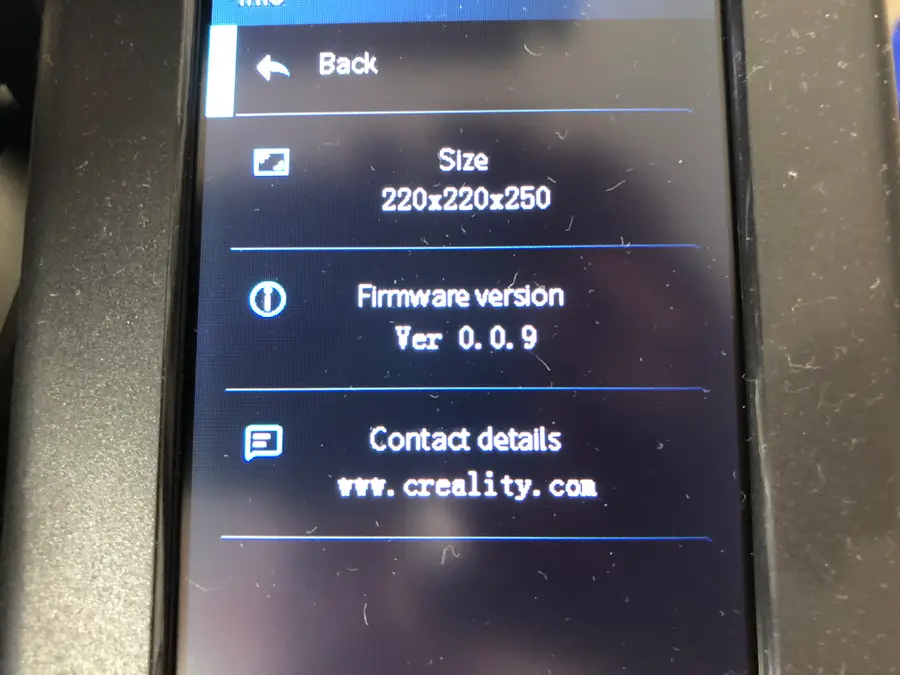
Width: 220mm
Depth: 220mm
Height: 250mm
Axes: Default**
Custom Bounding Box: No (unchecked)
Nozzle Diameter: 0.4mm
Number of Extruders: 1

** The Axes setting is only used for manually controlling the printer — as I slice my models before putting them into OctoPrint, I didn’t bother filling this out. However, you can if you choose; remember the Axes speed settings are per minute, whereas the settings in most slicing programs are per second.

Connection settings

Serial Port: AUTO
Baudrate: AUTO

Most of the settings are the same as with the original Ender 3, with the noticeable difference being that OctoPi can now detect the serial port automatically.

Download Ender 3 V2 OctoPrint Plugins

As of the writing of this guide (Nov. 2020), there are two mandatory plugins you need to install for the Ender 3 V2 in OctoPrint:

Check out our guide on installing OctoPrint plugins to see how to find and install these.

The Most Popular OctoPrint Plugins (And How to Install Them)
Wrap your tentacles around these sweet plugins!

Update your Firmware

Updating your firmware may be required when using the Ender 3 V2 with OctoPrint. After connecting to the printer inside of OctoPrint, you might see the following message: “Warning: Firmware Broken”. In this case, you’ll need to have the latest firmware version to print remotely from your Raspberry Pi.

Even without this warning, OctoPrint caused my print speed to max out, no matter what setting I used. When I updated the firmware, however, this issue disappeared. So I recommend updating the firmware either way.

Thankfully, updating the firmware on the Ender 3 V2 is much easier than it was on V1.

How to Update the Firmware on the Ender 3 V2
Check for new firmware regularly.

If you update your firmware and still get the “Warning: Firmware Broken” message, install this plugin to solve the issue until Creality can fix it in an upcoming firmware version (the message will persist but the underlying issue will be fixed).

🛈  Make sure your Pi is connected to the Ender 3 V2 when trying to change the connection settings.

2 – Print the Ender 3 V2 OctoPrint parts

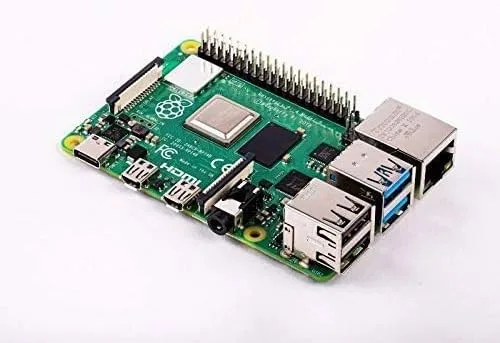
Before I begin, I should note that I had a heck of a time finding components on Thingiverse that would work for my Ender 3 V2 OctoPrint setup. With the Ender 3 V2 still being relatively new (as of November 2020), there aren’t as many specific models for the printer. I am also using a Raspberry Pi 4, which needs a fan, so I needed to find a case specifically with a fan.

That said, here are the Ender 3 V2 components that I used for setting up OctoPrint. Depending on what Pi and fan you’re using, you’ll likely need to adjust these parts as noted below.

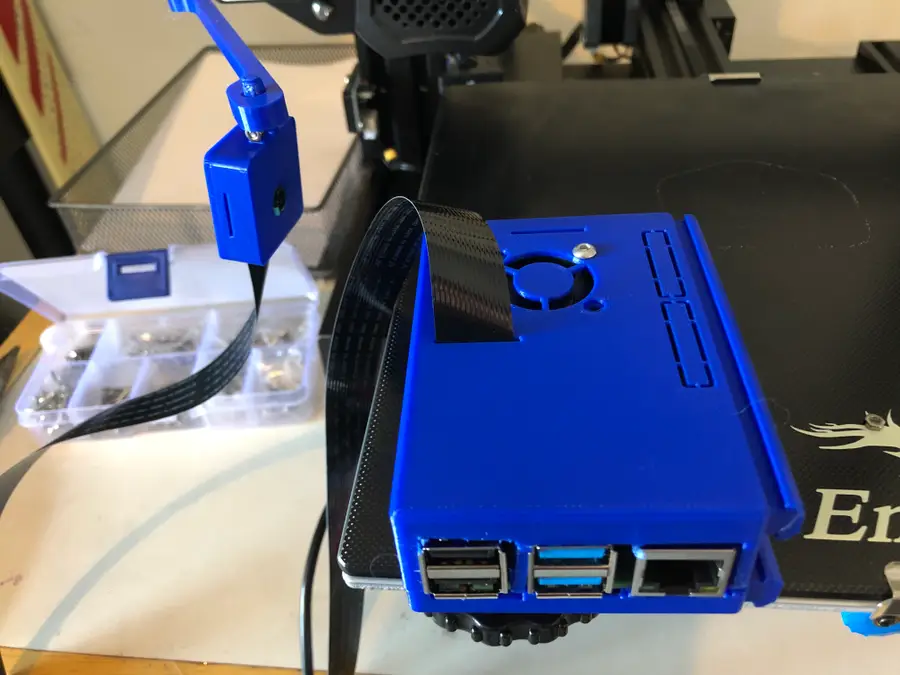
Ender 3 V2 Camera Mount

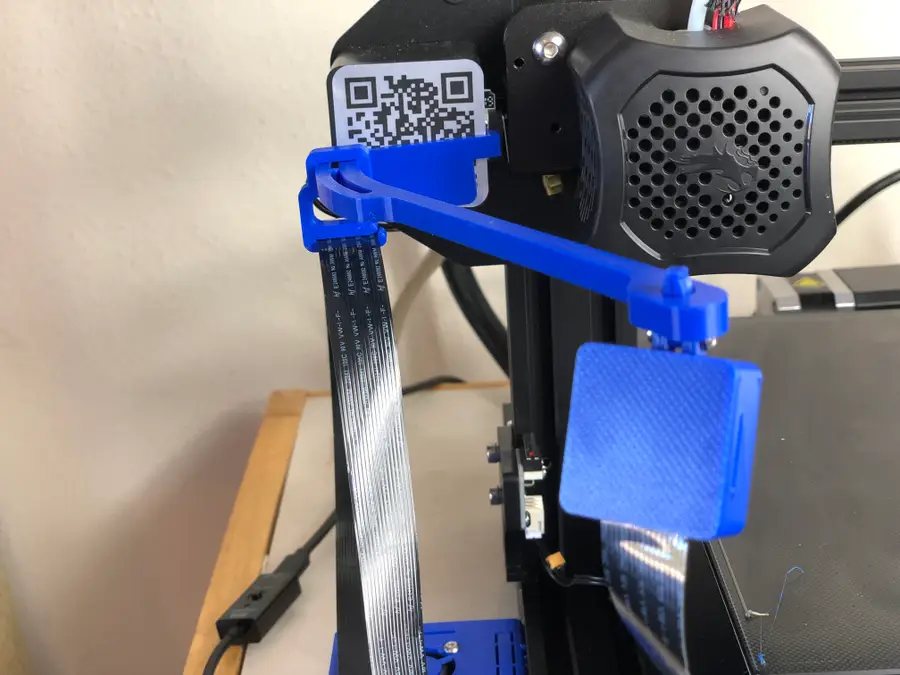
Mounting a camera to your Ender 3 V2 really turns the OctoPrint experience from “this is pretty cool” to “this is freakin’ awesome!” As the Z-axis stepper motor travels up during your 3D printing, the camera follows it. You get to watch the whole print take place remotely on your computer or anywhere—if you want to use our guide to access OctoPrint from anywhere. You can even record the entire print as a time-lapse if you choose.

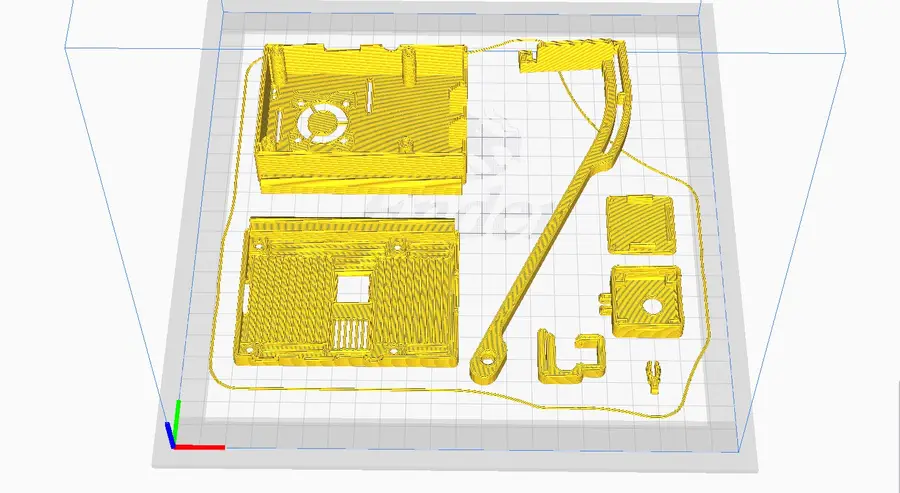
Print out the camera case and camera mount. If you’re using my components, you should have no trouble. Do note that the case attaches to the mount very tightly. You need a tight fit so the camera does not shake when the printer is on.

There are two additional options for a shorter boom-arm and a bolt-less installation. I like the long boom arm personally because of the low angle it allows while viewing the print.

Ender 3 V2 Raspberry Pi Enclosure

The case I linked to earlier is for the Raspberry Pi 3 with a 25mm fan. You likely aren’t using the exact same fan, so here’s the same case for the 30mm fan. It does fit the Ender 3 V2 and attaches to the side 80/20 aluminum rail. By the time you read this, there may be even more available on Thingiverse, so feel free to browse around.

Notes

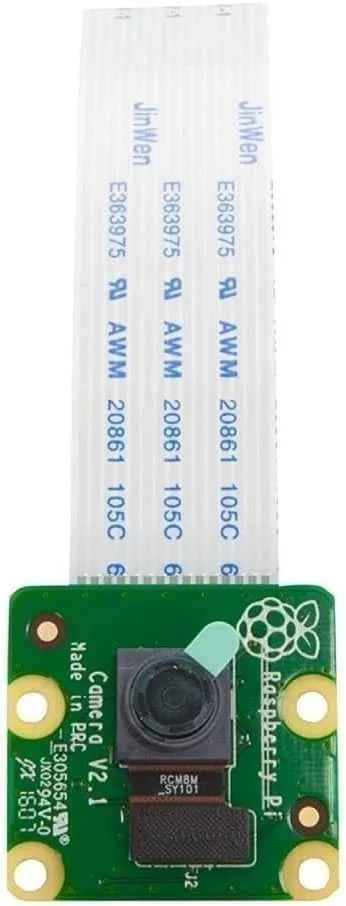
The camera I used was the official Raspberry Pi Camera Module V2.

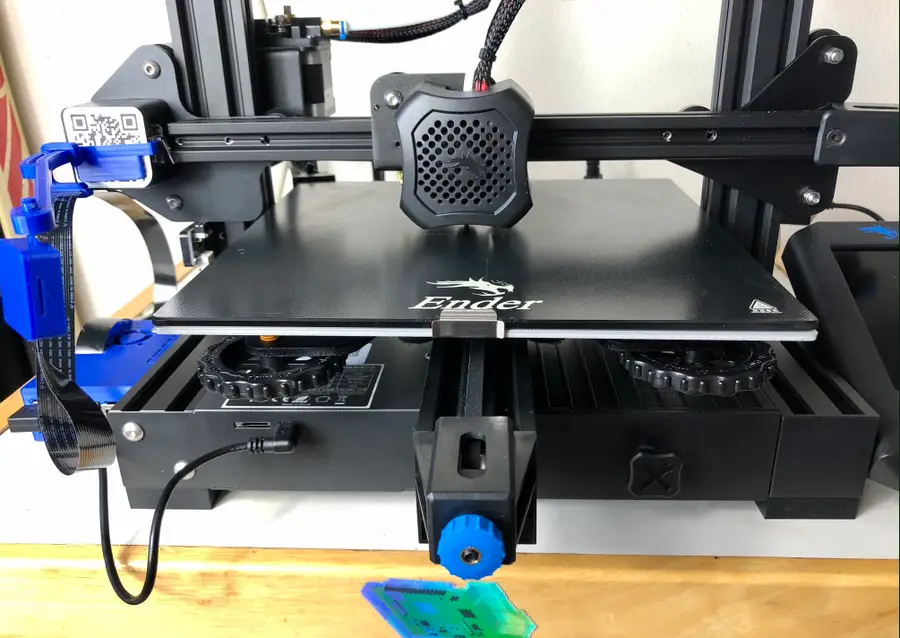
You’re looking for a camera mount that attaches across the front Ender 3 V2 Z-axis motor, as that has the same specs as the Ender 3. Do not use an original Ender 3 camera mount that attaches to the side of the motor, as it might not fit properly.

The camera mount and case I used do fit easily and even have an option for installation without the recommended 2mm bolt/nut.

3 – Mount the Raspberry Pi Camera on the Ender 3 V2

Do this step prior to putting your Raspberry Pi into its case so you can more easily connect the ribbon cable to it.

  • Decide if you want to mount the camera above the boom-arm or below. (I mounted mine below, as I think it gives a better view of the print.)
  • Insert your printed swivel pin accordingly, until it snaps in place.
  • Use an M2 x 20mm bolt to connect the camera case to the mount.

Note: If you’re using the mount I selected, it will be difficult to get the bolt through. This is intentional, as everything needs to be tight so the camera holds its position. Just take your time. – Connect the Raspberry Pi ribbon cable to the camera. – Carefully click the camera into place. – Snap the back of the camera case into place.

Ender 3 V2 Raspberry Pi camera cable length

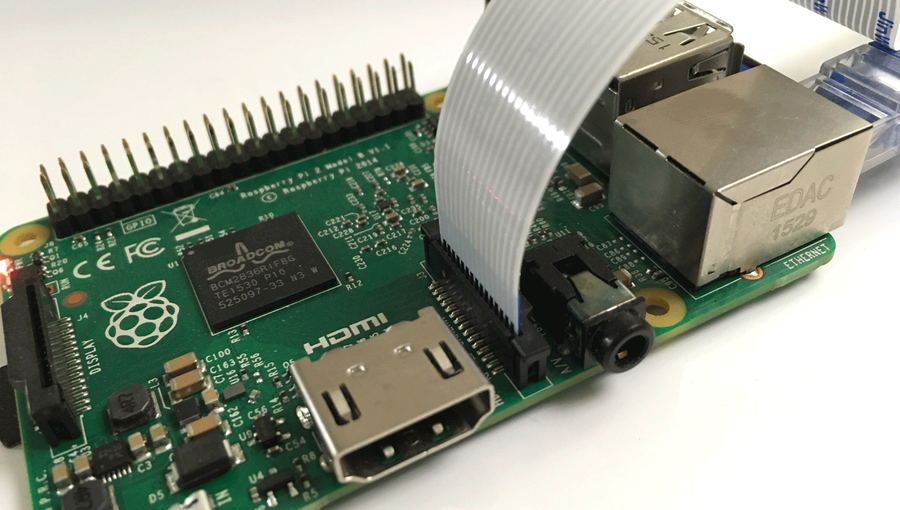
You’re absolutely going to need to use this extension cable when connecting your camera to your Raspberry Pi. The cable that comes with the Pi camera is not long enough and will break if you try to use it.

As with anything you do, when connecting the ribbon cable—take your time and be careful not to break the camera.

We like using the official Raspberry Pi camera for OctoPrint, but there are other OctoPrint cameras and webcams that you can use too.

Optional ribbon clip

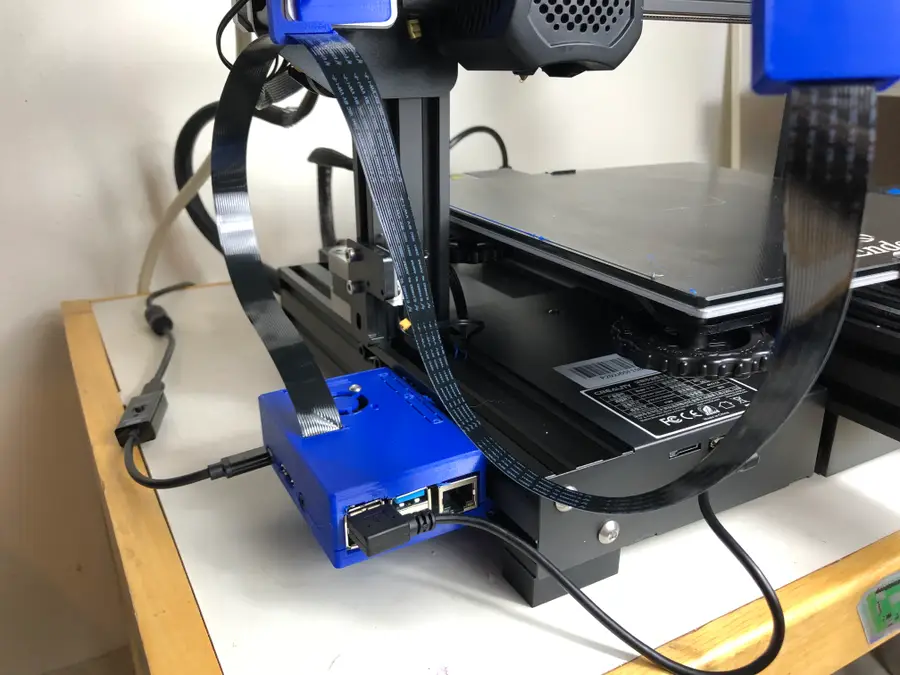
If you printed the optional ribbon clip that comes with the camera mount, then you can use this to guide your extension cable some. Don’t loop it on the clip. Only put it through once, leaving plenty of slack for when the Z-axis motor raises up on high prints.

4 – Put the Raspberry Pi into the case

You should have two 3D-printed pieces—a faceplate (with the fan opening) and the case itself.

Fan installation

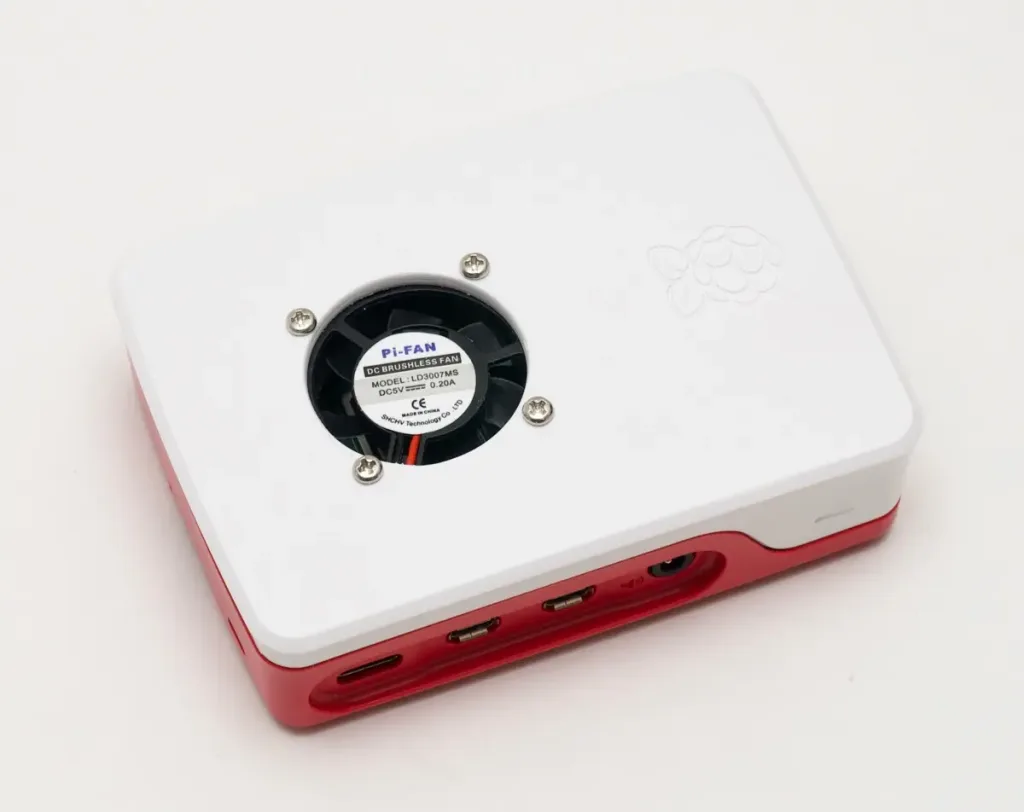
If your case fits the fan size properly, then simply bolt the fan to the case using 4 M3 x 12mm bolts/nuts.

If it doesn’t work perfectly or you need help installing a fan on the case, head over to our guide on adding a Raspberry Pi 4 fan to a case.

raspberry pi 4 case with fan

How to Add a Fan to the Raspberry Pi 4 for Proper Cooling (You Need One)
It’s getting hot in here, a fan will cool your Pi.

Pi camera ribbon cable

You’ll need to slide your camera ribbon cable through the slot on your Raspberry Pi case. If your case does not have a slot, then you’ll need to manually cut one.

Bolt case together

Carefully add the four M3 x 16mm bolts to connect the case. Lightly tighten each bolt one at a time. Then, fully tighten each bolt.

🛈 If you’re using a Raspberry Pi 4, then you should definitely install the fan.

5 – Mount the Raspberry Pi

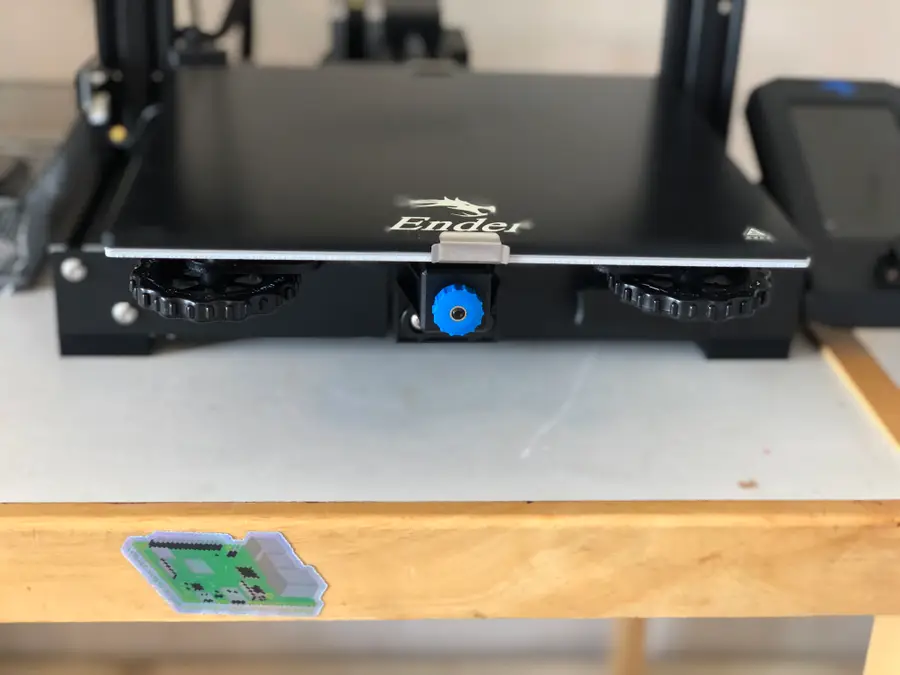
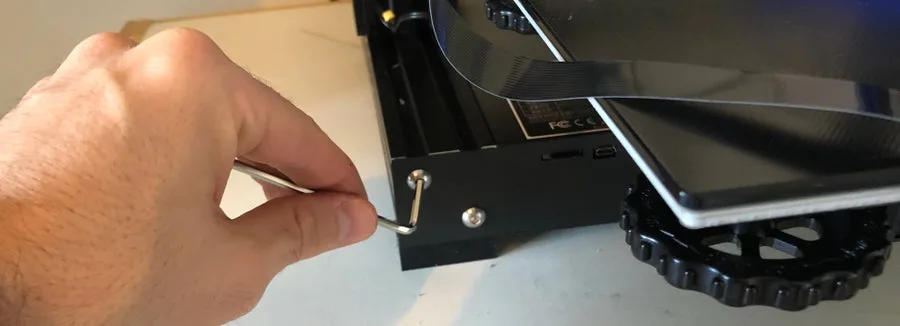
The case that I chose slides into the side rail of the Ender 3 V2, so you won’t need any nuts or bolts.

  • Optional: file down the brackets on the case some to loosen the fit. It will be a very tight fit otherwise.
  • Unbolt the front-left cover of the Ender 3 V2, so you can create room in which to slide the case. Make sure your MicroSD is removed.
  • Push the case brackets through the sidebar slowly. Don’t damage your Pi. If you need to, you can file down the brackets more.
  • Reattach the front cover.

Route camera cable

Route the camera cable up through the cable clip (if using one), and into your camera. Make sure the ribbon cable is straight and not bent.

🛈 You may find you need to tilt/move your Ender 3 V2 some when sliding the case into the brackets. Just be careful when doing this.

6 – Connect the Raspberry Pi to your Ender 3 V2

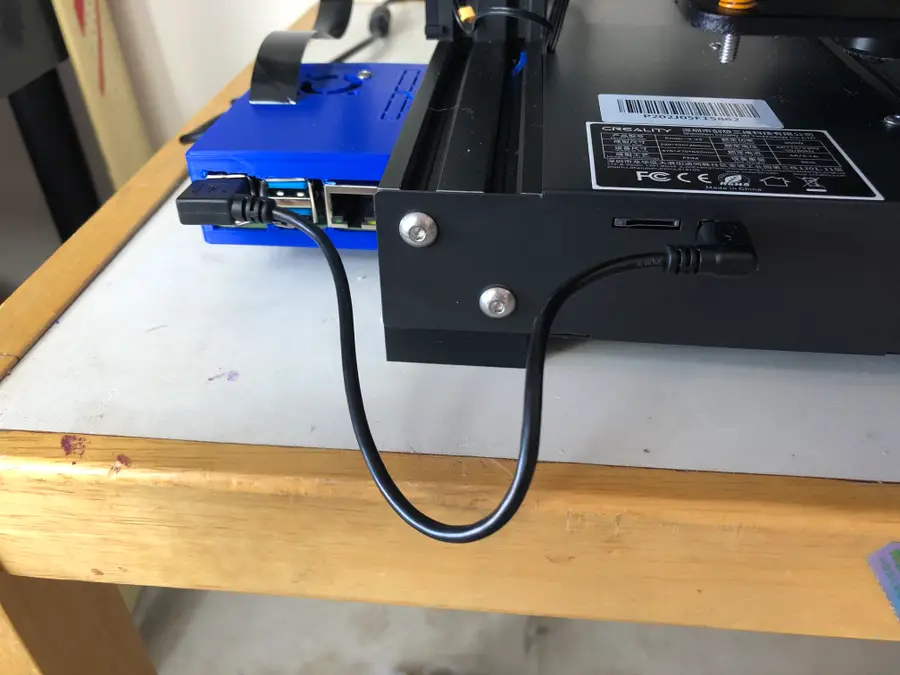
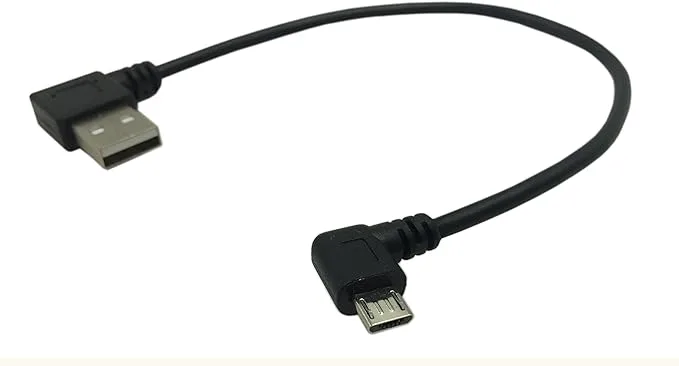
Lastly, use a short Micro-USB cable to connect the Raspberry Pi to your Ender 3 V2.

7 – Optional: Power the Pi from the Ender 3 V2

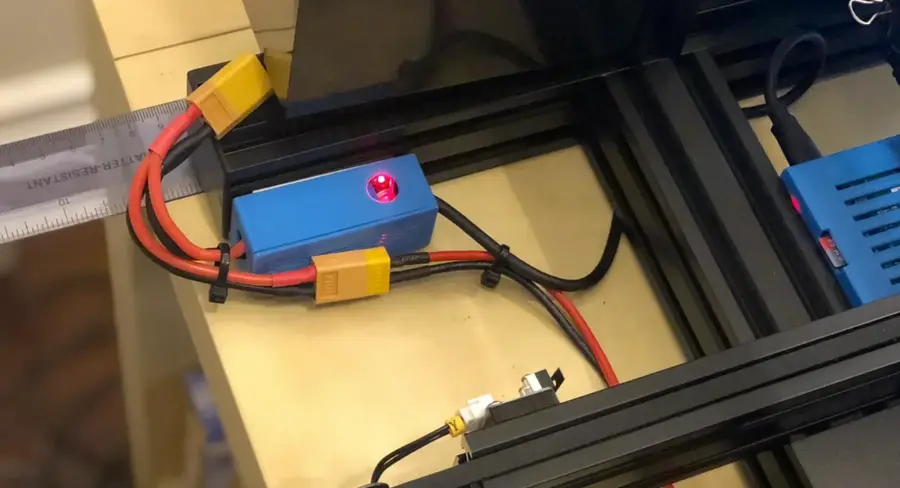
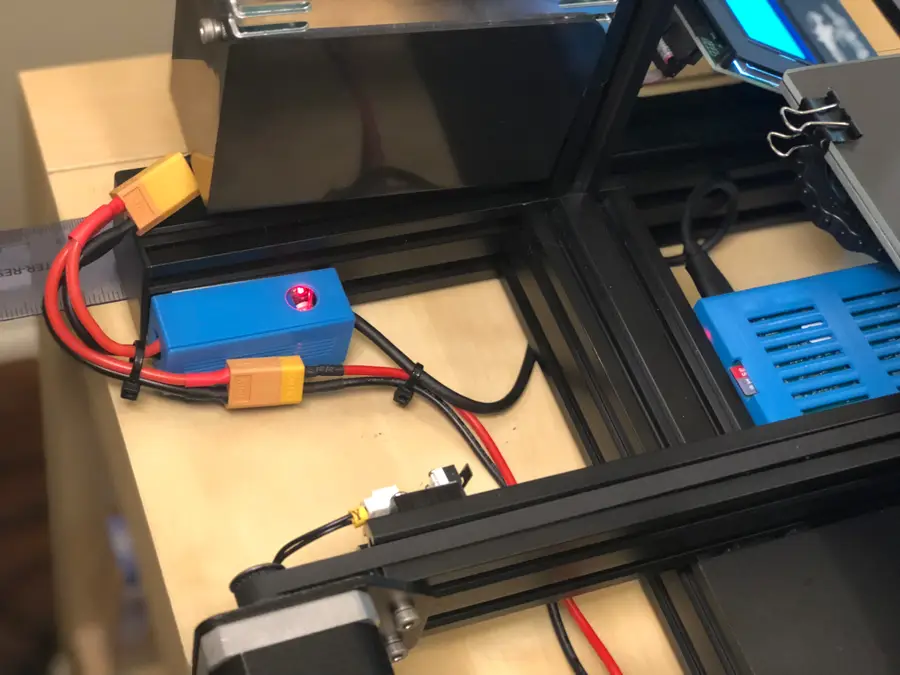
If you want to power your Raspberry Pi directly from your Ender 3 V2, then you’ll need to modify our guide on powering the pi from the original Ender 3. We only recommend you do this if you have enough knowledge of electronics and power supplies.

I’m fine with my Raspberry Pi being plugged directly into the wall, so I did not do this.

8 – Focus the Pi Camera

While viewing the camera feed in the OctoPi/OctoPrint interface:

  • Slide your bed to center it.
  • Place a small object in the center of the bed on which to focus the camera. (I chose a small bottle with some text, so I could easily focus the camera.)
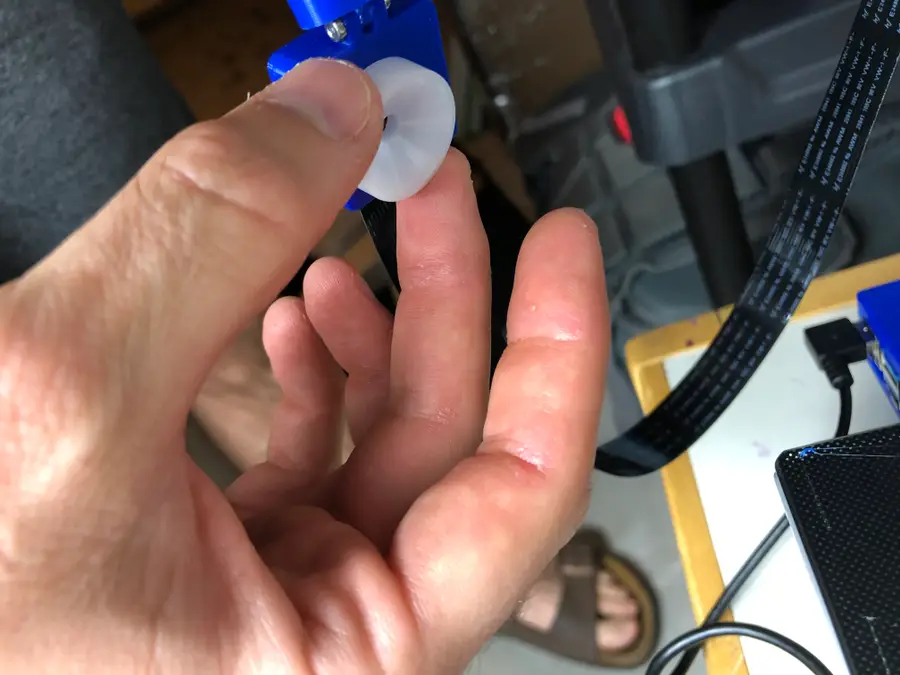
  • Use the small white wheel that came with your Raspberry Pi camera to turn the camera lens until the object is perfectly focused.

Now, make sure your Ender 3 V2 bed is leveled, and you’re ready to print.

🛈 Turn the wheel slowly, as it’s very sensitive.

9 – Final setup

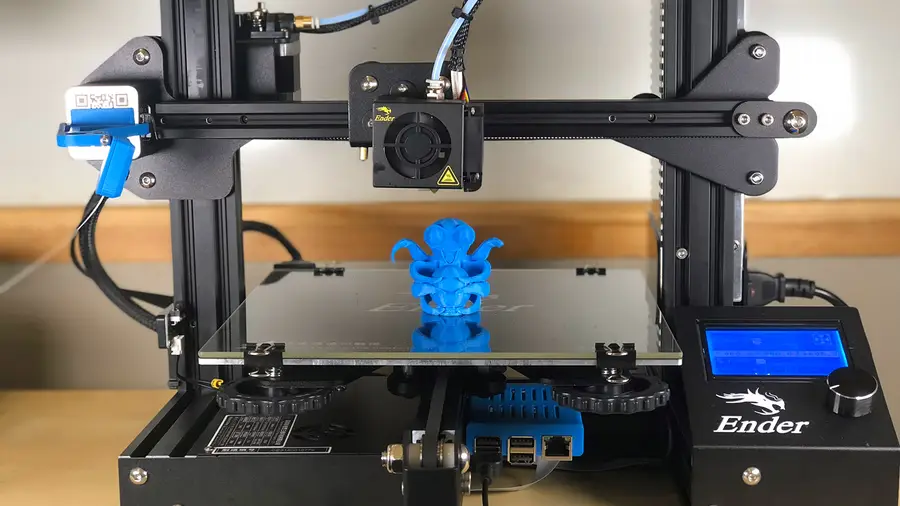
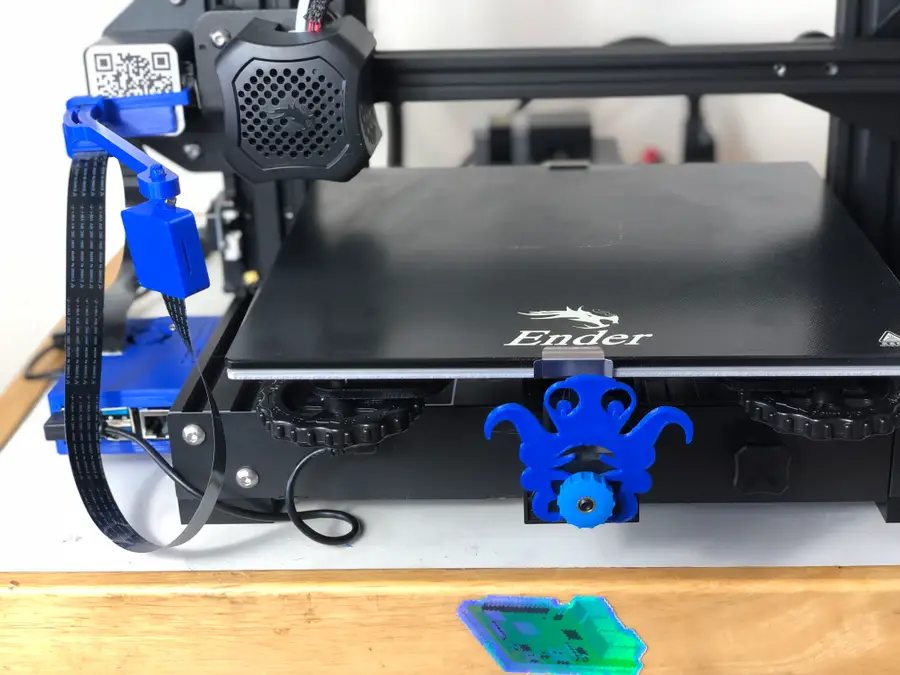
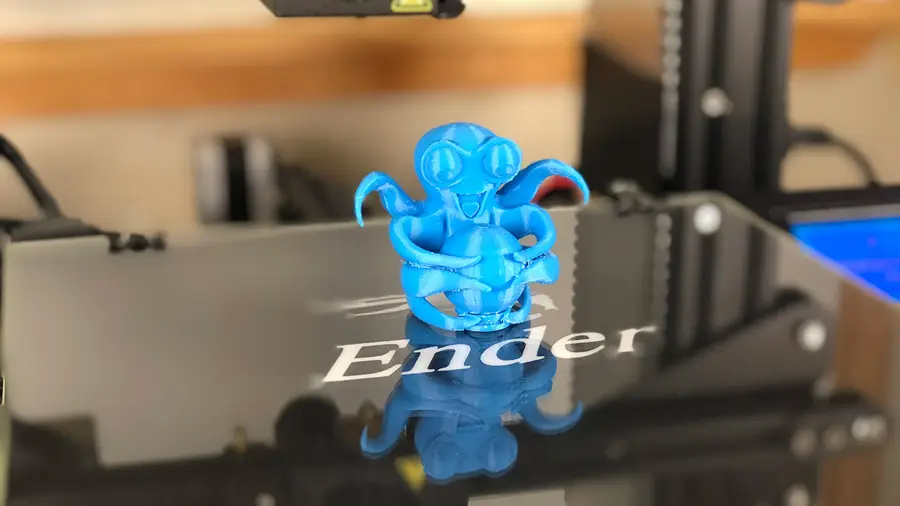
Here’s what your setup will look like when everything is set up and ready! (Minus the little OctoPrint figure on the front, of course!)

Again, I point you to my fellow Howchooer, Zach’s, wonderful OctoPrint setup guide to get the program up and running. It’s the guide that I used!

10 – My first Octolapse

Here’s my first Ender 3 V2 Octolapse time-lapse!

How did we do?

Feel free to comment below letting us know what worked for you and what did not. And share your own OctoPrint setup with us over at Facebook and Twitter.

Be sure to check out our OctoPrint FAQs if you have any questions about using OctoPrint. We also have a full OctoPrint interest!

OctoPrint FAQ – Everything You Need to Know About Octoprint
What’s got 8 legs and tons of questions?

NEXT UP

How to Update Blender

Get the latest Blender has to offer.
howchoo   (467)
November 24, 2023

Blender is one of the most popular open-source 3D creation suites today. It doesn’t cost a dime to use and everything you create is yours to own for good. The community is robust and the dev team still releases new updates on the regular. If you want to get the latest version, you may have

Continue Reading

howchoo

 467 guides

Introducing Howchoo, an enigmatic author whose unique pen name reflects their boundless curiosity and limitless creativity. Mysterious and multifaceted, Howchoo has emerged as a captivating storyteller, leaving readers mesmerized by the uncharted realms they craft with their words. With an insatiable appetite for knowledge and a love for exploration, Howchoo’s writing transcends conventional genres, blurring the lines between fantasy, science fiction, and the surreal. Their narratives are a kaleidoscope of ideas, weaving together intricate plots, unforgettable characters, and thought-provoking themes that challenge the boundaries of imagination.

Home Interests Raspberry Pi

Raspberry Pi Models and Specs: A Comprehensive Guide

What flavor of Pi is your favorite?
howchoo   (467)
September 28, 2023
15 minutes

Share

Interests
Posted in these interests:
pi • 92 guides

The Raspberry Pi has become an iconic machine in the world of tiny computers. This pocket sized board is so cool—and I know I sound biased. But it’s true! You can use them for so many projects.

Finding the best Pi model can sometimes be tricky. That’s why we took the time to break down each Raspberry Pi into this list. Compare specs and learn a little about the history of how the Raspberry Pi has evolved over the last few years.

Raspberry Pi specs

Raspberry Pi ModelReleasedUSB PortsCPURAMBluetoothWiFi
Raspberry Pi 1 BFeb 20122x USB 2.0700MHz512MBNoNo
Raspberry Pi 1 B+July 20144x USB 2.0700MHz512MBNoNo
Raspberry Pi 1 A+Nov 20141x USB700MHz512MBNoNo
Raspberry Pi 2Feb 20154x USB900MHz1GBNoNo
Raspberry Pi ZeroNov 20151x Micro USB1GHz512MBNoNo
Raspberry Pi 3Feb 20164x USB1.2GHz1GB4.1 LEYes
Raspberry Pi Zero WFeb 20171x Micro USB1GHz512MB4.1Yes
Raspberry Pi 3 B+Mar 20184x USB 2.01.4GHz1GB4.2, BLEYes
Raspberry Pi 3 A+Nov 20181x USB 2.01.4GHz512MB4.2, BLEYes
Raspberry Pi 4June 20192X USB 3.0, 2X USB 2.01.5GHz1GB, 2GB, 4GB, or 8GB5.0, BLEYes
Raspberry Pi 400November 20202X USB 3.0, 2X USB 2.01.8GHz4GB5.0, BLEYes
Raspberry Pi PicoJanuary 2021USB C133MHz264KBNoNo

1 – Raspberry Pi 1 B

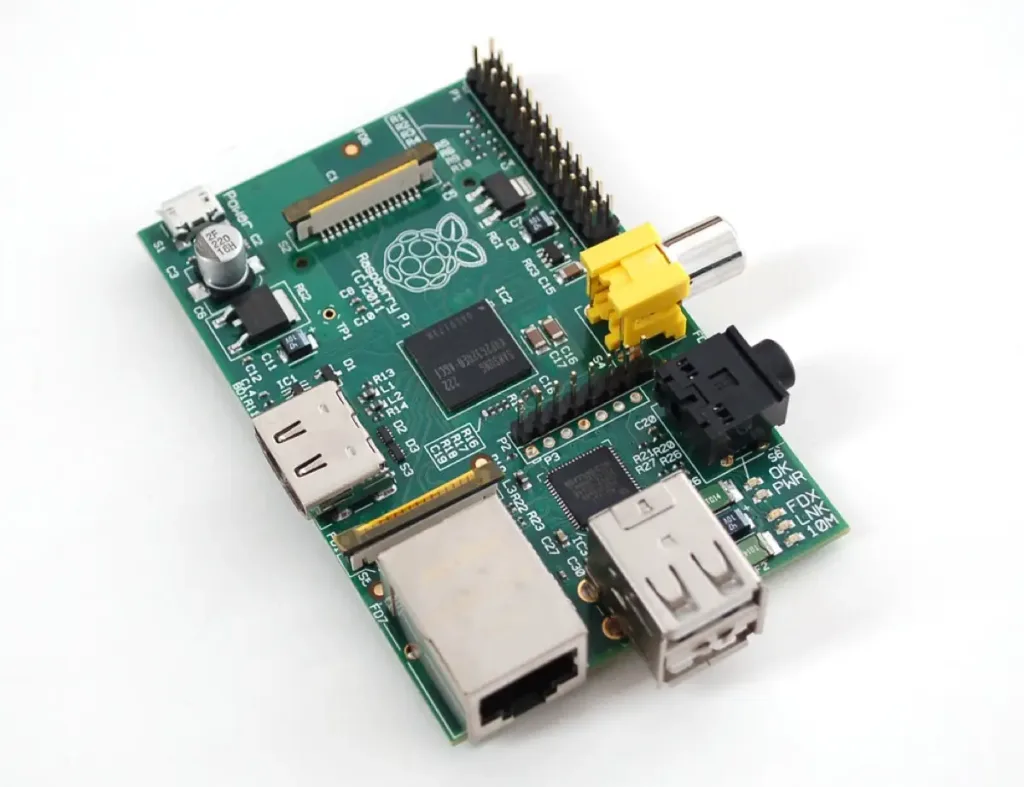
Raspberry Pi 1 B

The first Raspberry Pi was released in 2012. This original edition, known as Raspberry Pi 1 B, was met with great success. Everyone wanted to get their hands on this tiny computer to see what it could do.

Raspberry Pi 1 specs

ReleasedUSB PortsCPURAMBluetoothWiFi
Feb 20122x USB 2.0700 MHz512MBNoNo

2 – Raspberry Pi 1 B+

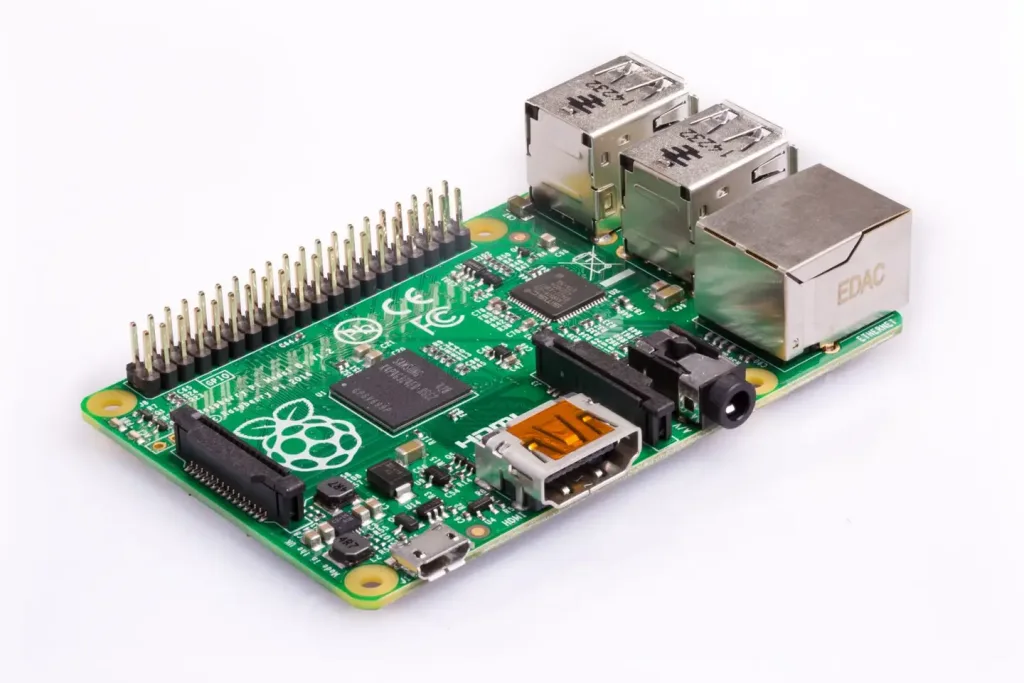
Raspberry Pi 1 B+, a revised edition of the Raspberry Pi 1 B which released in 2014.

The Raspberry Pi 1 B was followed with an updated edition known as the Raspberry Pi 1 B+. The most noticeable change was the addition of two additional USB ports.

Raspberry Pi 1 B+ Specs

ReleasedUSB PortsCPURAMBluetoothWiFi
July 20144x USB 2.0700 MHz512MBNoNo

3 – Raspberry Pi 1 A+

Raspberry Pi A+

This model follows the release of the Raspberry Pi B. The Raspberry Pi A+ is smaller than the Pi B, but just as powerful. It has the same processing speed in a slimline package. Unlike the Pi B, it only features 1 USB port and no Ethernet port.

Raspberry Pi A+ Specs

ReleasedUSB PortsCPURAMBluetoothWiFi
Nov 20141x USB700 MHz512MBNoNo

4 – Raspberry Pi 2

Raspberry Pi 2

What’s better than one Raspberry Pi? Two! This is the Raspberry Pi 2, a wonderful successor to the original Raspberry Pi. It comes with 4 USB ports and more CPU power than before, clocking in at 900 MHz.

Raspberry Pi 2 Specs

ReleasedUSB PortsCPURAMBluetoothWiFi
Feb 20154x USB900 MHz1GBNoNo

5 – Raspberry Pi Zero

Raspberry Pi Zero

Raspberry Pi meets shrink ray with this super teeny model known as the Raspberry Pi Zero. This super slim model comes with a few upgraded features. The CPU on this edition can reach speeds up to 1GHz. The USB ports have been dropped in favor of a Micro USB port and Micro OTG port.

Raspberry Pi Zero Specs

ReleasedUSB PortsCPURAMBluetoothWiFi
Nov 20151x Micro USB1 GHz512MBNoNo

6 – Raspberry Pi Zero W

Raspberry Pi Zero W

The Pi Zero was seriously upgraded with the release of the Raspberry Pi Zero W. This tiny computer is packed with a micro USB port, a micro OTG port, and a 1 GHz processor like the Pi Zero. But the team took their efforts a step further by including both Bluetooth and Wireless capabilities—making it perfect for small, mobile projects.

Raspberry Pi Zero W Specs

ReleasedUSB PortsCPURAMBluetoothWiFi
Feb 20171x Micro USB1 GHz512MB4.1Yes

7 – Raspberry Pi 3

Raspberry Pi 3 Model B

The Pi reached new heights with the release of the Raspberry Pi 3. This model is just a little bit faster and a lot more versatile. Long gone are the days of isolation, these Pi’s are open to multiple wireless channels including both WiFi and Bluetooth.

Raspberry Pi 3 Specs

ReleasedUSB PortsCPURAMBluetoothWiFi
Feb 20164x USB1.2 GHz1GB4.1 LEYes

8 – Raspberry Pi 3 B+

Raspberry Pi 3 B+

The Raspberry Pi 3 B+ is an excellent edition to the lineup of modern Pis. It’s my go-to board for most projects and it’s no wonder why! This board comes with a 1.4 GHz processor, Bluetooth, WiFi, 4 USB ports, and a reputation to back it up!

Raspberry Pi 3B+ Specs

ReleasedUSB PortsCPURAMBluetoothWiFi
Mar 20184x USB 2.01.4 GHz1GB4.2, BLEYes

9 – Raspberry Pi 3 A+

Raspberry Pi 3 A+

The Raspberry Pi 3 A+ is a slimmed-down edition of the B+. It has the same processor as the B+, reaching speeds up to 1.4 GHz. In lieu of 4 USB ports, the Pi 3 A+ has only 1 USB port. In keeping with the recent Pi models, it comes with both Bluetooth and WiFi capabilities.

Raspberry Pi 3 A+ Specs

ReleasedUSB PortsCPURAMBluetoothWiFi
Nov 20181x USB 2.01.4 GHz1GB4.2, BLEYes

10 – Raspberry Pi 4

The Raspberry Pi 4. Raspberry Pi 4

The Raspberry Pi 4 really packs a punch compared to its predecessors. You can choose from one of three RAM upgrades, there are four USB ports, and it comes with the most powerful CPU yet. The Pi 4 is quickly taking the stage as developers create software to take advantage of all of the new features.

Raspberry Pi 4 Specs

ReleasedUSB PortsCPURAMBluetoothWiFi
June 20192X USB 3.0, 2X USB 2.01.5GHz1GB, 2GB, or 4GB5.0, BLEYes

11 – Raspberry Pi 400

Raspberry Pi Foundation

The Raspberry Pi 400 is an all-in-one keyboard containing a Raspberry Pi 4. It features mostly the same specs as the Pi 4, except the internal board is a different form factor. The CPU also has a higher clock speed of 1.8GHz vs. the 1.5GHz that the Pi 4 has.

The New Raspberry Pi 400: The Keyboard With a Pi Inside
New official Raspberry Pi hardware!

Check out our Raspberry Pi 400 review video to learn more!

Raspberry Pi 4 Specs

ReleasedUSB PortsCPURAMBluetoothWiFi
October 20202X USB 3.0, 1X USB 2.01.8GHz4GB5.0, BLEYes

12 – The Compute Module

The Raspberry Pi Compute Module has gone through several iterations; it lacks the normal interface ports and functionality of a normal Pi, and is meant more for business and scientific users. I won’t cover the versioning of this one in great detail but you can read more about the Compute Module on the Raspberry Pi website.

13 – Raspberry Pi Pico

Raspberry Pi Foundation

This is the Raspberry Pi Foundation’s first official microcontroller. It uses a custom chip made by the team known as the RP2040. It’s the smallest board yet and one of the most flexible.

Raspberry Pi Pico Specs

ReleasedUSB PortsCPURAMBluetoothWiFi
Raspberry Pi PicoJanuary 2021USB C133MHz264KBNo

14 – Choosing the best Raspberry Pi model

Finding the best Raspberry Pi for your project depends on your project needs. Consider factors like size, mobility, and necessity of each hardware component. In general, you’ll find the newer models have more power and features that open your Raspberry Pi projects to a myriad of potential.

For example, the Pi Zero is suited for small projects. We were able to fit the Pi Zero inside an old NES controller just to run RetroPie!

But the Pi 3 B+ is great for things like setting up a Raspberry Pi media server or Pi powered MIDI synthesizer.

If you want the latest and greatest—you may want to snag a Pi 4 to see what it’s capable of while the Pico is an excellent choice for anyone who needs a low-power unit for simple control processing.

Looking for new Pi project ideas? Check out our list of Raspberry Pi projects to get started.

NEXT UP

How to Run a Minecraft Server on the Raspberry Pi

A whole world trapped inside your Pi.
howchoo   (467)
December 7, 2023

There are several ways to go about running a Minecraft server on the Raspberry Pi. In this guide, I’ll cover how to install Nukkit—a cross-platform Minecraft server that’s super easy to set up on the Raspberry Pi. This server should work with PCs, consoles, and tablets running Minecraft 1.14. I’ll be using a Raspberry Pi

Continue Reading

howchoo

 467 guides

Introducing Howchoo, an enigmatic author whose unique pen name reflects their boundless curiosity and limitless creativity. Mysterious and multifaceted, Howchoo has emerged as a captivating storyteller, leaving readers mesmerized by the uncharted realms they craft with their words. With an insatiable appetite for knowledge and a love for exploration, Howchoo’s writing transcends conventional genres, blurring the lines between fantasy, science fiction, and the surreal. Their narratives are a kaleidoscope of ideas, weaving together intricate plots, unforgettable characters, and thought-provoking themes that challenge the boundaries of imagination.

Home Interests Raspberry Pi

How to Use an LED Matrix Panel with Your Raspberry Pi

An LED matrix will make any project better.
howchoo   (467)
September 28, 2023
23 minutes

Share

You’ll Need 5

What you’ll need
Interests
Howchoo is reader-supported. As an Amazon Associate, we may earn a small affiliate commission at no cost to you when you buy through our links.
Posted in these interests:
pi • 92 guides

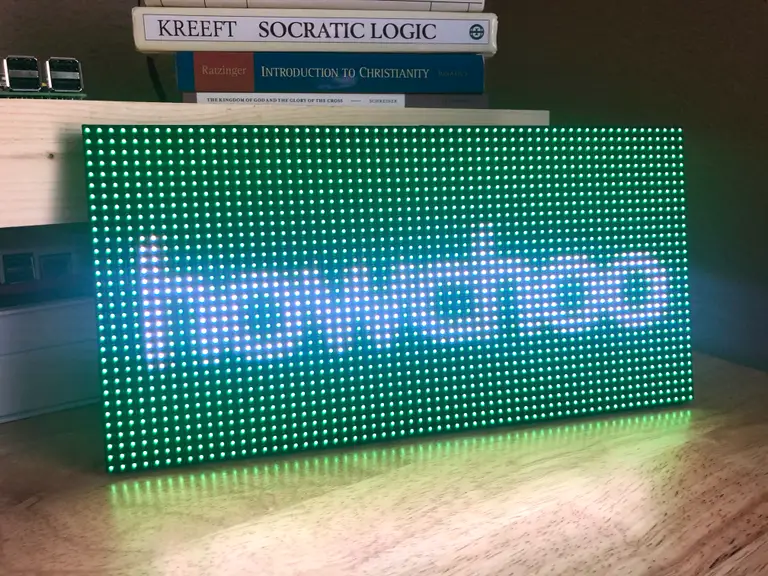
LED matrix panels are just awesome. They look retro and have the added benefit of being useful. You can build just about anything using an LED matrix—a ticketing system display, an NHL scoreboard, a stock ticker, a clock, etc.

You might be surprised, however, as to how difficult it is to integrate an LED matrix into your project, especially for beginners. Since I needed this display for a cryptocurrency ticker I’m working on, I decided to write a generic guide that makes using the display a bit more accessible for beginners.

In this guide, you’ll learn how to set up and start using an LED matrix with your Raspberry Pi.

1 – Prepare your Pi

We’ve listed the Raspberry Pi Zero WH as the preferred Pi for this project because it’s small enough to fit behind the display, includes WiFi, and comes with GPIO headers pre-soldered.

If you happen to be using a Pi Zero W (without headers), you’ll need to go ahead and solder on your headers.

Need a soldering iron? Check out our guide to the best soldering irons.

The Best Soldering Irons: Read This Before You Invest (2022)
We’ve put together a guide to help you find the best soldering iron for your next project.

2 – Install Raspberry Pi OS

Next, you’ll need to install Raspberry Pi OS. To do so, please check out our detailed guide on how to install Raspberry Pi OS on your Raspberry Pi. After installing the OS, I recommend that you enable SSH and configure Wi-Fi as well, but this is only required if you’re using a fully headless setup.

How to Install Raspberry Pi OS on Your Raspberry Pi
Get the new official Raspberry Pi OS on your Pi.

3 – Connect the bonnet to the Raspberry Pi

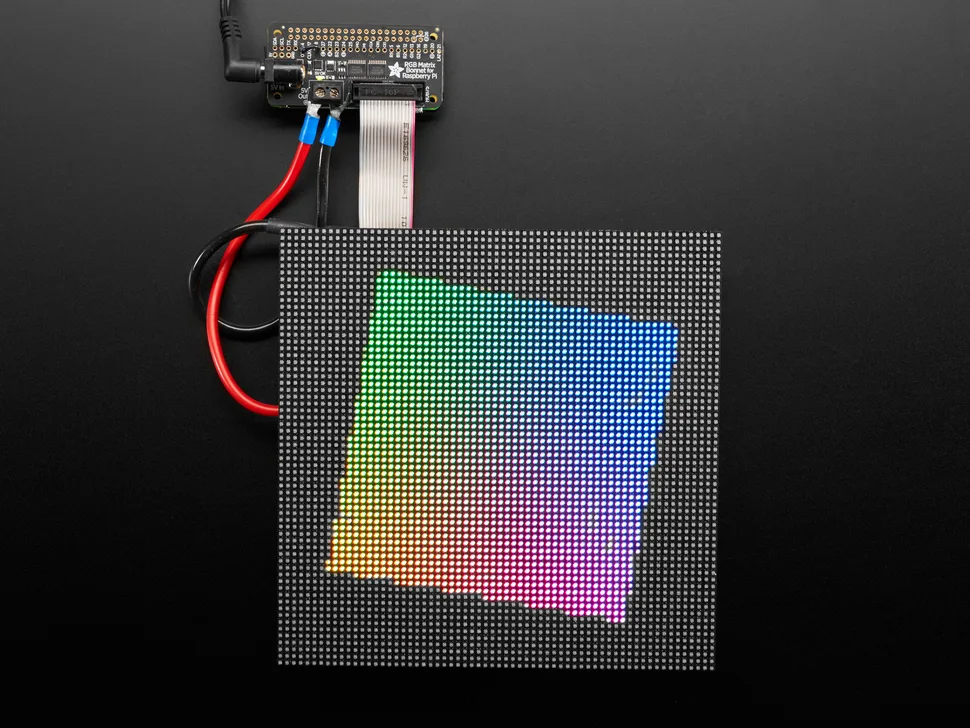
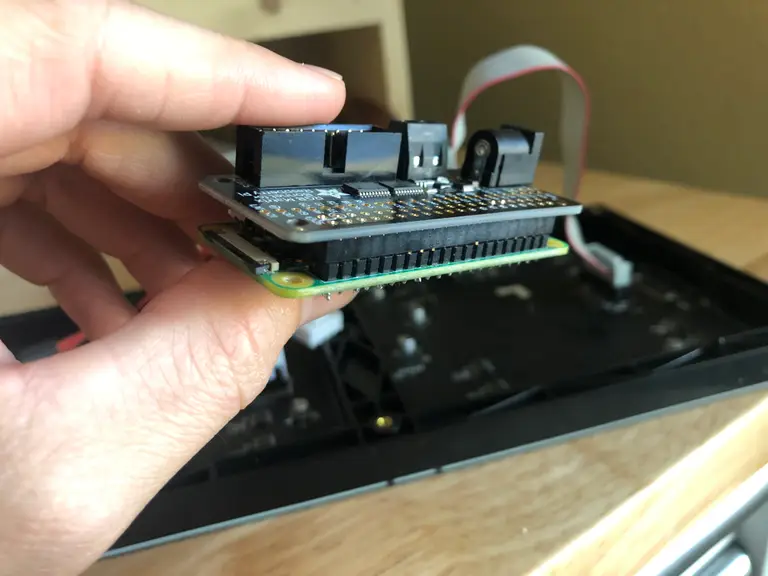
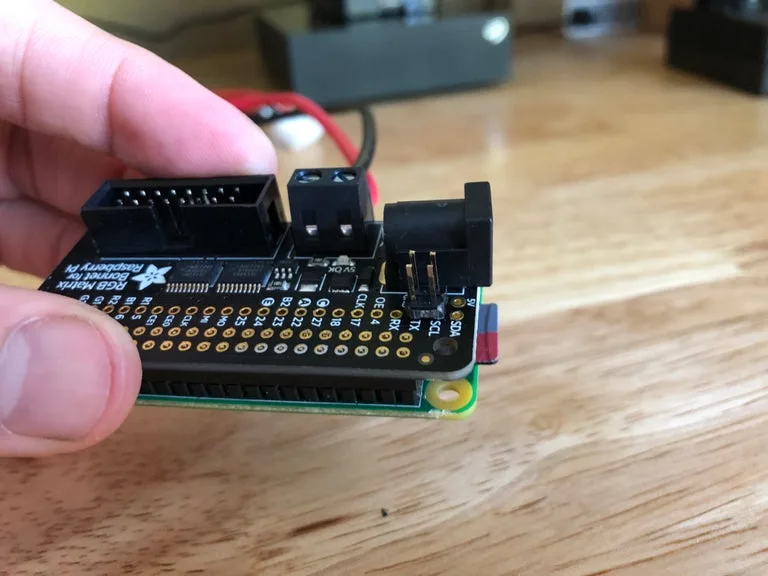
The Adafruit RGB Matrix bonnet is one of the best Raspberry Pi HATs for this purpose. Connect it to the Raspberry Pi. To do this, you’ll need to line up the GPIO pins on the Pi with the female adapter on the bonnet.

Don’t rush this step. If you push too hard or try to do it too quickly, you could damage the GPIO pins.

With the pins lined up, press firmly and evenly across the GPIO pins. Squeeze the boards together between your thumb and index fingers. If you do it correctly, you should see the GPIO pins entering the female adapter evenly all the way across.

Optional:

You could add standoffs between the Pi and the bonnet on the non-GPIO side if you want to add support. This isn’t necessary as long as you’re careful when you’re connecting the rest of the hardware.

4 – Connect the panel’s power cables to the bonnet

The RGB matrix bonnet will provide power to both the panel and the Raspberry Pi. The Raspberry Pi will receive power through the GPIO pins, but we’ll need to connect the panel to the bonnet to provide power to the panel.

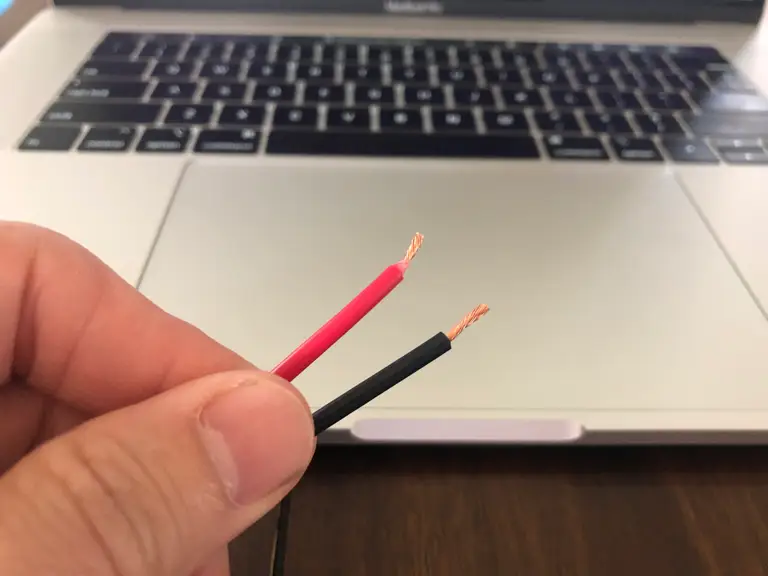
Depending on the exact panel you purchase, you will likely need to cut and strip the red and black wires.

Then on the bonnet:

  • Unscrew the small screws at the top of the terminals.
  • Slide the exposed copper from the cables into the terminals
  • Then tighten the screws to secure them.

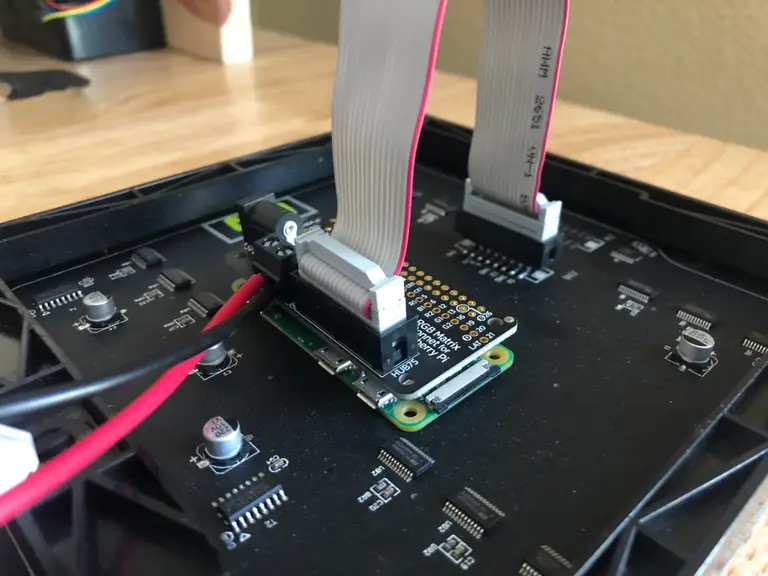
5 – Connect the ribbon cable

At this point, you’re ready to connect all of the hardware.

  • Connect the ribbon cable from the panel to the RGB matrix bonnet.
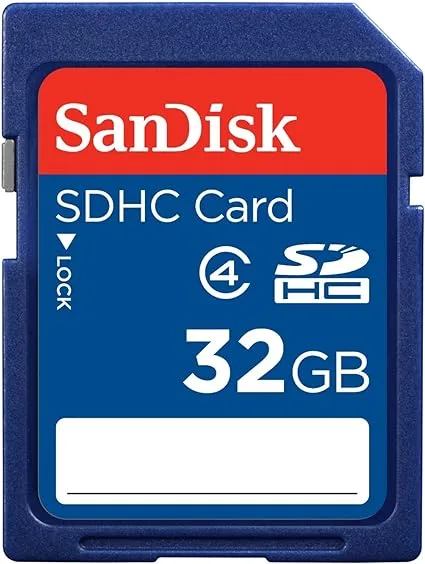
  • Install your SD card in the Raspberry Pi.
  • Connect your power supply to the bonnet.

Now, you’re ready to write some code!

6 – Optional: Print the LED panel housing

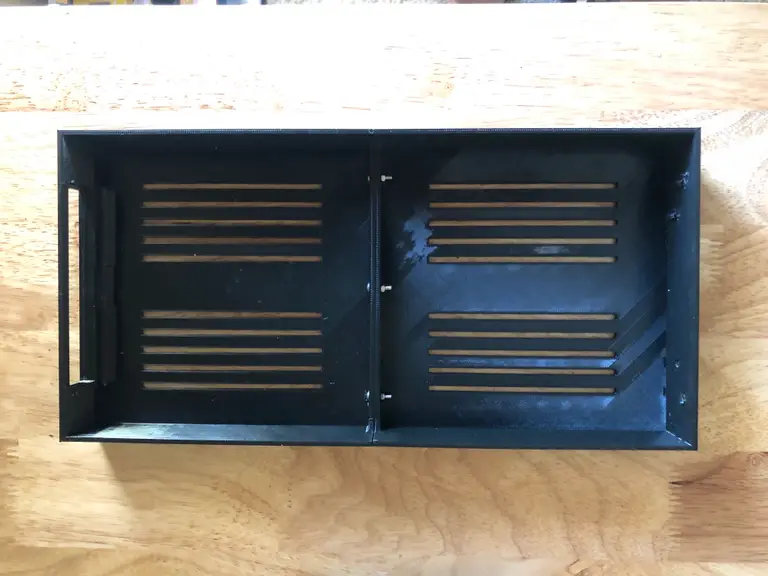
This photo shows the two cover pieces attached using M3x12mm bolts, but you should be able to use M3x8mm as well.

Print the housing

If you’ve got a 3D printer, you should consider printing a housing for your project. You can find the model on Thingiverse. If you don’t have a 3d printer, you can look into other ways to get the model printed.

How to Get Things 3D Printed Without a Printer
No printer? No problem.

You’ll only need to print the following parts:

  • Frame_Rasp_Pi_Side_Slots_3.stl
  • Frame_Battery_Side_Slots3.stl
  • Cover_RPi_side.stl
  • Cover_Battery_Side.stl

The names may be updated by the time you download the model, but in short, you you need to print both frame pieces and both cover pieces.

Assemble the panel

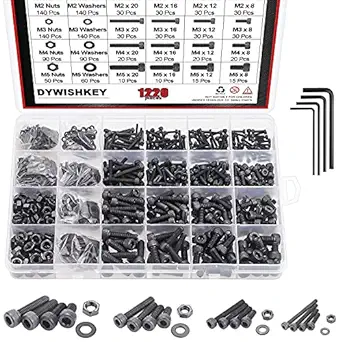
Assemble the panel using M3x8mm bolts and nuts, which you can find included in our recommended kit on Amazon. Start by attaching the frames to the panel, then secure both pieces of the cover together. When you’re ready to enclose your project, secure the case to the frame. If you need more detailed instructions, check out the tutorial written by the creator of the housing.

7 – Optional: Add a power button

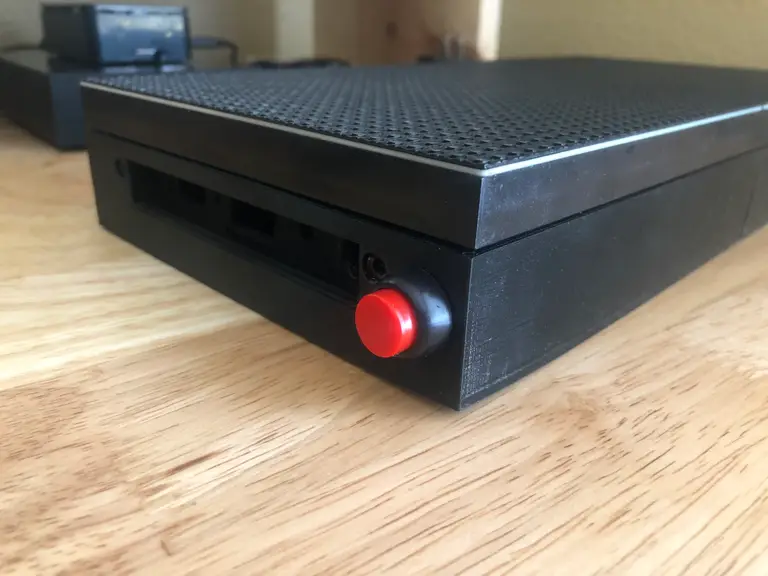
A power button is a nice addition, especially if you’re going to use the housing. As you may know, the Raspberry Pi doesn’t ship with a physical power button, so adding a power button provides a quick and safe way to shut down the Pi when you’re not using it.

To add the power button, I recommend you start by reading our full guide on how to add a power button to your Raspberry Pi. The guide will show you how to wire up the button and provide all of the software required to use it.

How to Add a Power Button to Your Raspberry Pi
Because you should always safely shut down your Pi.

Solder the male header pins

The RBG Matrix Bonnet provides the GPIO holes you need to wire up the power button. You can solder the wires directly to the board, but I recommend soldering male header pins. For simplicity, I would use a 2×2 square such that it covers both the SCL and GND holes on the bonnet. If you’ve got a breakaway header you can use a pair of snips to cut out the 2×2 square.

Drill a 1/2″ hole in the housing

It should be noted that for this particular project, our recommended button requires a 1/2″ hole, which is larger than the hole provided by the housing. You can find a smaller button, but I recommend using the button we sell because it comes from a reliable source and you get to support your favorite DIY site 🙂

To use our button, you’ll need to drill a 1/2″ hole in the housing. You can put it wherever you’d like, but you’ll likely need male-to-female jumper cables to reach from the Pi to the leads on the button.

Connect the leads to the bonnet

When you’re ready to secure the housing, attach the leads on from the power button to the SCL and GND pins on the bonnet. If necessary, use jumper wires to extend the leads.

8 – Install the rpi-rgb-led-matrix library

From here, you’ll need to either connect your Pi to a keyboard and monitor or if you’re comfortable with the command line, you can work via ssh. If you’re using the Raspberry Pi OS Desktop, you’ll need to log in and open Terminal.

There are a few ways to configure this library. I’m going to configure the library for use with Python 3. You can also install the bindings for Python 2, C++, or C#, or just use it as a command-line tool.

To get going, you’ll need to install some dependencies:

sudo apt-get update  && sudo apt-get install -y git python3-dev python3-pillow

Then you’re going to install the rpi-rgb-led-matrix library. Let’s start by cloning the repository:

git clone https://github.com/hzeller/rpi-rgb-led-matrix.git

Now, cd into the repo folder and install:

cd rpi-rgb-led-matrix
make build-python PYTHON=$(which python3)
sudo make install-python PYTHON=$(which python3)

Each of these commands should run without a hitch.

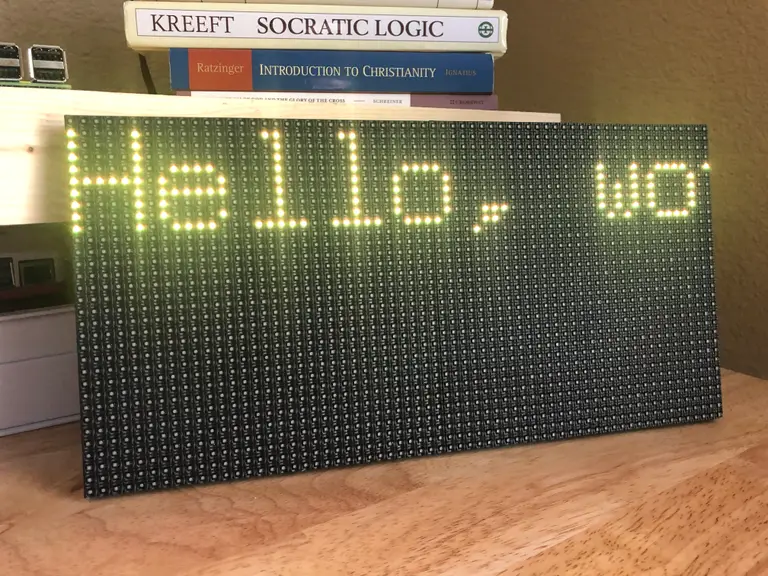
9 – Hello, world!

With our hardware set up and the software installed, let’s run a simple test.

The library ships with some sample code to get us started. You’re going to use a Python script called runtext.py that scrolls text across the screen on repeat.

Navigate to the samples directory:

cd bindings/python/samples

Now run the following command:

sudo python3 runtext.py --led-cols=64 --led-gpio-mapping=adafruit-hat --text="Hello, world!"

Note: Some of the sample scripts are a little bit feeble. You must be in the samples directory for the fonts to load properly.

Let’s break down this command.

  1. This is important. We’re calling this script with python3 because that’s how we built the library. It will not work using python or ./.
  2. Then, because the default display size is 32×32 and my panel is 64×32, I’m passing in --led-cols=64 to override the number of columns.
  3. And, because we’re using the adafruit bonnet, we need to specify the hardware with --led-gpio-mapping=adafruit-hat. Finally, for this particular sample script, we can pass in the text we want to scroll with --text.

Give this a shot to make sure everything is set up correctly.

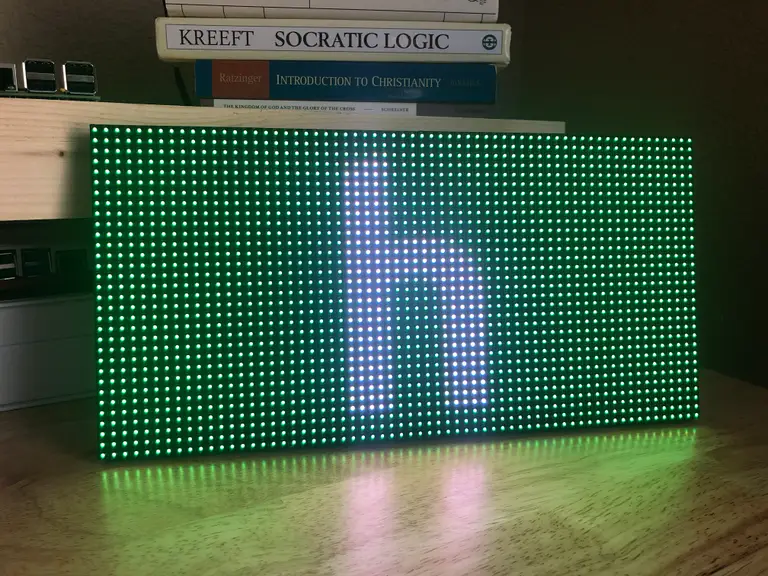
10 – Display an image

For this example, you’ll work from another directory. Feel free to create a working directory of your choice, but I’m going work right out of the home directory:

cd 

First, you need to download a sample image:

wget /media/nz/i3/md/howchoo-low-res-h.png

Then you’ll use the following script. Create a new file called test-image.py and add the following:

#!/usr/bin/env python3

import time
import sys

from rgbmatrix import RGBMatrix, RGBMatrixOptions
from PIL import Image

if len(sys.argv) < 2:
    sys.exit("Require an image argument")
else:
    image_file = sys.argv[1]

image = Image.open(image_file)

# Configuration for the matrix
options = RGBMatrixOptions()
options.rows = 32
options.cols = 64
options.chain_length = 1
options.parallel = 1
options.hardware_mapping = 'adafruit-hat' 

matrix = RGBMatrix(options=options)

# Create a thumbnail that first our screen
image.thumbnail((matrix.width, matrix.height), Image.ANTIALIAS)

matrix.SetImage(image.convert('RGB'))

try:
    print("Press CTRL-C to stop.")
    while True:
        time.sleep(100)
except KeyboardInterrupt:
    sys.exit(0)

Now make the script executable:

chmod +x test-image.py

And run the script passing in your image as an argument:

sudo ./test-image.py howchoo-low-res-h.png

For best results, you’ll want to use an image that’s the same aspect ratio as your panel or else build some cropping functionality into the script.

11 – More examples

If you browse the repository there are plenty of examples to choose from. You can also check out some projects that use this panel, like our Raspberry Pi Scoreboard (see video below) and our cryptocurrency ticker.

If you have trouble with this guide or would like to see more examples, let me know in the comments below. I might be able to help 🙂

NEXT UP

How to Run a Minecraft Server on the Raspberry Pi

A whole world trapped inside your Pi.
howchoo   (467)
December 7, 2023

There are several ways to go about running a Minecraft server on the Raspberry Pi. In this guide, I’ll cover how to install Nukkit—a cross-platform Minecraft server that’s super easy to set up on the Raspberry Pi. This server should work with PCs, consoles, and tablets running Minecraft 1.14. I’ll be using a Raspberry Pi

Continue Reading

howchoo

 467 guides

Introducing Howchoo, an enigmatic author whose unique pen name reflects their boundless curiosity and limitless creativity. Mysterious and multifaceted, Howchoo has emerged as a captivating storyteller, leaving readers mesmerized by the uncharted realms they craft with their words. With an insatiable appetite for knowledge and a love for exploration, Howchoo's writing transcends conventional genres, blurring the lines between fantasy, science fiction, and the surreal. Their narratives are a kaleidoscope of ideas, weaving together intricate plots, unforgettable characters, and thought-provoking themes that challenge the boundaries of imagination.

Home Interests Practical Prints

15+ Useful 3D prints for your kitchen – Practical Print Series

Save money while impressing your family, friends, and pets! 🙂
howchoo   (467)
September 28, 2023
15 minutes

Share

You’ll Need 1

What you’ll need
Interests
Series
Howchoo is reader-supported. As an Amazon Associate, we may earn a small affiliate commission at no cost to you when you buy through our links.
Posted in these interests:
3dprinting • 36 guides
practicalprints • 1 guides

It’s time to put your printer to work with some useful, functional kitchen prints! Aside from creating fun printed models, the true promise of 3D printing is the ability to supplant your purchases with printed alternatives, saving you time and money. And each of these kitchen-prints can be printed on any decent budget-friendly 3D printer.

This guide covers some of the most useful things to 3D print for your kitchen including kitchen accessories, organization tools, replacement parts, utensils, and more.

1 – Kitchen pot lid holder

DSkolnik on Thingiverse

This print is brilliant. If your pan lids run for their lives every time you open your cabinet, now you can pin them in place with these wall-mounted lid mounts.

You’ll need a few screws whose length depend on the thickness of your cabinet doors. I can’t stress how insanely useful these things are.

🛈 This is a good opportunity to show your spouse how useful your 3D printing hobby is. 🙂 Then you can buy more printers. ALL THE PRINTERS.

2 – Cabinet shelf pegs

If you have missing or broken shelf pegs, you might not think to print one. These are the little things that slot into the side of the cabinet to support a shelf.

I had a few broken shelf pegs and Home Depot wanted $7 for a bag — no thanks. with 100% infill and proper print orientation (arrange the peg long-ways), 3D-printed shelf pegs are more than strong enough.

Peg sizing

There are a few different shelf peg sizes, both in terms of peg diameter and depth. Pull out an old peg and use a pair of calipers, ruler, or tape measure to determine the size you need. Or, print a few models and try each until you find the one that works.

Bonus: Each peg only takes about 5 minutes to print.

This is the peg I used, but you can find tons of other sizes with a quick search.

🛈 Once you find the right size, print a dozen or so pegs and throw them in a drawer for later!

3 – Nespresso pod holder

the_mike on Thingiverse

If you’re a fan of Nespresso, then you might have thought about shelling out $20 for something that will hold your pods. Shell out $0.30 instead and print your own! There are tons of great models out there for printing, but my favorite mounts to the wall with a bit of foam tape.

Add as many rows as you have flavors; each one holds an entire sleeve of Nespresso capsules. And because the model requires such little material, these things print super fast.

You can download the model I used from Thingiverse.

4 – K-cup holder

Atwgoodman on Thingiverse

If you’re a drip coffee fan instead, you can also save a few bucks by printing your own K-cup holder. You can find both tabletop and wall-mounted version on Thingiverse.

5 – Oven mitt hooks

cfinke on Thingiverse

This is an obvious one! There are tons of great options for keeping the ol’ oven mitts handy. I wanted to find some hooks that would connect to my oven door handle without coming off every time I opened the door. I found a great set on Thingiverse that are looped on one end; I can open the door all day and neither the hooks nor mitts will fall off.

6 – Kitchen sponge holder

blackllama on Thingiverse

Whats more exciting than sponges? Nearly everything on the planet.

But if you’re of pulling your mushy, cold, wet sponge out of the sink, print a sponge holder! Designers have gotten creative so you have your choice of a suction cup-mounteddouble sponge holder, or even one with a drain.

🛈 Also, tell whoever you live with to squeeze the sponge out when they’re done. For reals.

7 – Egg separator

mussy on Thingiverse

This one is pretty self-explanatory: it separates the egg yolk from the egg, leaving you with just the whites.

I recommend printing this, and anything else that touches food, using a food-safe 3D printing filament.

8 – Kitchen funnel

jckray on Thingiverse

Every time I buy a funnel for my kitchen, it ends up finding another purpose. No matter, you can print a new kitchen funnel in minutes and be on your way.

🛈 Print this one using food-safe filament.

9 – Cooking ingredient dispenser

ewap on Thingiverse

Here’s another useful kitchen organization print: a cooking ingredient dispenser. Organize your packets with this wall-mounted cooking ingredient dispenser.

10 – Paper towel holder

t0bi on Thingiverse

This is another common object that I never thought to print until now. Forget buying a paper towel dispenser — this one will do! Its adjustable hooks attach to any cabinet/board.

Or, if you prefer, you can print a tabletop roll holder or one that mounts using screws.

11 – Towel hook

dmatsumoto on Thingiverse

This towel hook/hanger hangs from your cabinet doors, making your towels more accessible while allowing them to dry more quickly.

12 – Kitchen drawer organizer

mrmacnology on Thingiverse

Holy modularity, Batman! Forget those cheap silverware trays or expensive drawer organizers — this 3D-printable kitchen drawer organizer is super modular.

You’ll still need some wood for this project — cut some strips to length and 3D print your brackets to customize your drawer as needed.

13 – Kitchen sink drain strainer

nanowhisker on Thingiverse

Stop food from clogging the drain by printing a simple drain strainer.

OogiMe on Thingiverse

From Halloween spiders to Star Wars characters, 3D-printed cookie cutters are a great way to get your kids involved in 3D printing!

Top 10 3D-Printed Toys for Kids
Get the printer ready, it’s time to play!

🛈  Don’t forget to share.

15 – All the utensils!

vr50bt on Thingiverse

There’s no shortage of kitchens, knives, and other 3D-printable utensils available on Thingiverse. I won’t cover them all here because you can simply thing of one and it likely exists.

Remember to use a food-safe printing filament to print anything that you will use to eat. For something simple like a stirrer I recommend ABS; make sure you use a printer, such as the Ender 3, that can print ABS.

For things coming into contact with heat, you’ll need a high temperature heat-resistant filament.

15 – Cocktail jigger

hmhamster on Thingiverse

Nothing like drinking and printing. Make your cocktails amazing by measuring out just the perfect amount of booze! Check out the model on Thingiverse. It’s double-sided, allowing you to measure out both 25ml and 50ml.

17 – Puzzle organizer

bq3D on Thingiverse

This one is part art, part organization; each set prints 9 puzzle pieces which you can organize in any way you want. The pieces mount with double-sided foam tape to any surface you’d like.

18 – Follow-up

We also created a Thingiverse collection containing these models for easy reference later!

Did I miss something?

If you have any favorite 3D-printed objects for your kitchen that you think should be on this list, leave a comment below!

NEXT UP

How to Update Blender

Get the latest Blender has to offer.
howchoo   (467)
November 24, 2023

Blender is one of the most popular open-source 3D creation suites today. It doesn’t cost a dime to use and everything you create is yours to own for good. The community is robust and the dev team still releases new updates on the regular. If you want to get the latest version, you may have

Continue Reading

howchoo

 467 guides

Introducing Howchoo, an enigmatic author whose unique pen name reflects their boundless curiosity and limitless creativity. Mysterious and multifaceted, Howchoo has emerged as a captivating storyteller, leaving readers mesmerized by the uncharted realms they craft with their words. With an insatiable appetite for knowledge and a love for exploration, Howchoo’s writing transcends conventional genres, blurring the lines between fantasy, science fiction, and the surreal. Their narratives are a kaleidoscope of ideas, weaving together intricate plots, unforgettable characters, and thought-provoking themes that challenge the boundaries of imagination.

elcapitan
brokenlamp245
Joined in 2015
Finding guides
brokenlamp245
Joined in 2015
<!–
–> <!–

Discuss

–> <!–
–> <!–
–> <!–
–>
Home Interests Minecraft

Best Mob and Entity Mods for Minecraft (Fabric)

Fabric mods that add new mobs, pets, and villagers to Minecraft!
howchoo   (467)
September 27, 2023
10 minutes

Share

<!–
–> <!–

Discuss

–> <!–
–> <!–
–> <!–
–>
Interests
Posted in these interests:
READY PLAYER 1
gaming • 85 guides <!– –>
Minecraft is an epic sandbox video game developed by Swedish game developer Mojang Studios.
minecraft • 66 guides <!– –>
minecraftfabric • 8 guides <!– –>

Minecraft is a sandbox game that lets you explore and wander to your heart’s content. That world usually includes various wildlife and even villagers. However, sometimes you want more variety in your gameplay, which is where this mod list comes in!
This guide will go through mods available for Minecraft Fabric that add new mobs, pets, and villagers to Minecraft. While some add mini-bosses, others improve upon Minecraft villagers. So whether you’re hosting a survival multiplayer server or you’re playing alone, you’ll find a mod that opens up your world even more!
If you’re interested in more mods for Minecraft, check out the Minecraft Forge interest!

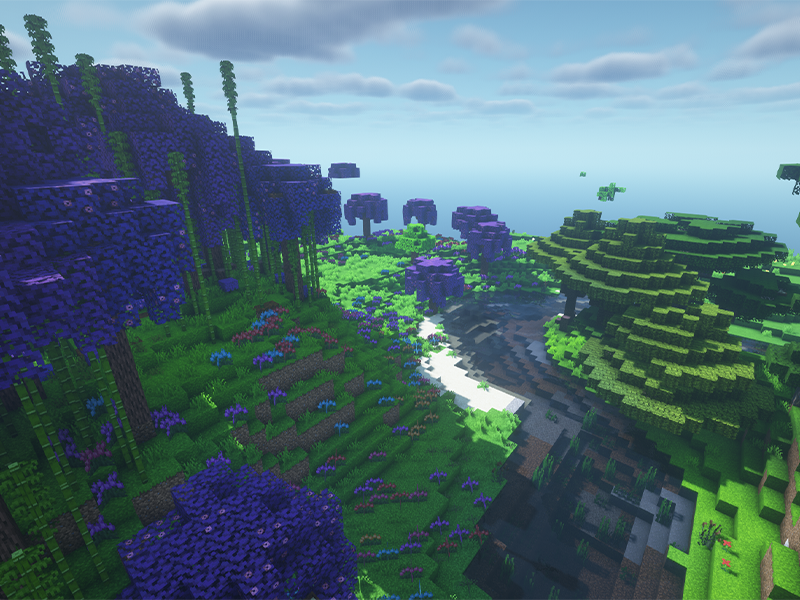
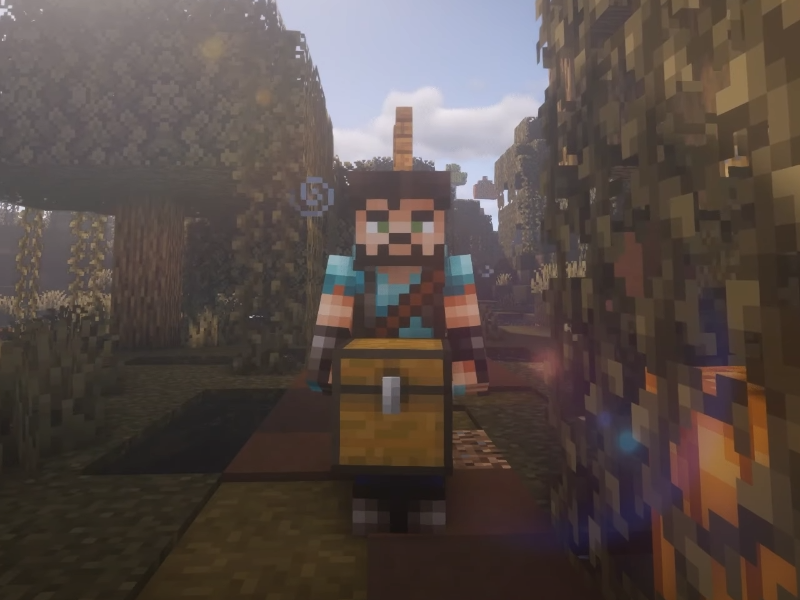
Note that the game versions available may change since the time of publishing. Most photos were taken using BSL Shaders and Optifine in 1.16.5.

1 – Elemental Creepers: Refabricated

By luligabi12

Game Versions: 1.16, 1.17

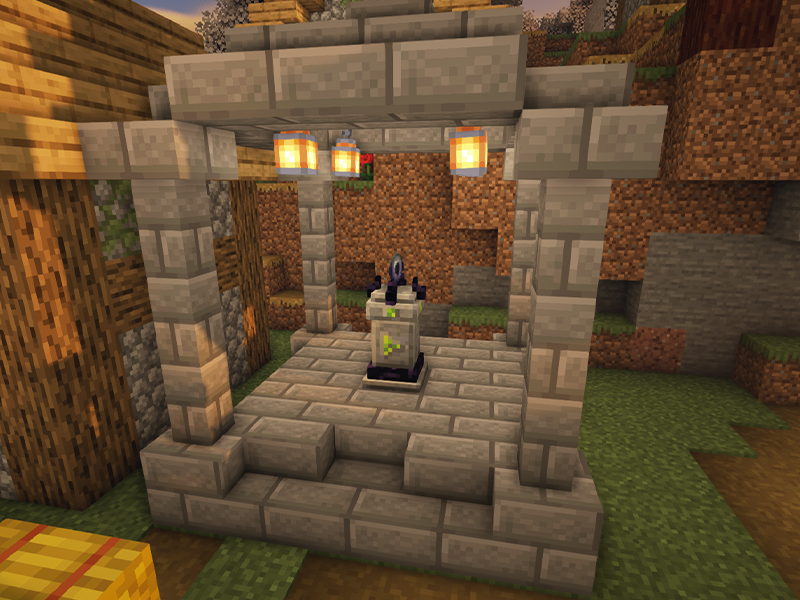
You might be questioning why the world needs more creepers, but trust the process. This mod adds in various new variations to the standard creeper based on biomes and environment. Based on its variation, their explosions effect the environment. For example, the earth creeper explodes into a dirt pile, while the water creeper leaves behind a water fountain.

2 – More Villagers

By SameDifferent

Game Versions: 1.16, 1.17

After some time on a server, trades with Minecraft villagers can get boring. This mod adds multiple new jobs for villagers, along with workstations and unique trades. Some professions you’ll see are netherologist, forester, engineer, florist, and hunter!

3 – Identity

By Draylar1

Game Versions: 1.15, 1.16, 1.17

This is a unique mod that I recommend for any server type. Identity allows players to transform their appearance to various mobs within the world. A few identities even have their own abilities. For example, the creeper form explodes the nearby area, while the enderman form lets you teleport around.

4 – Golems Galore

By ffrannny

Game Versions: 1.16, 1.17

Have you ever looked at a golem and thought, “Why can’t you be different?” Golems Galore is your answer! It adds a variety of golems (some with special abilities) that generate in villages or can be crafted.

5 – Terrarian Slimes

Yes, that is a slime with an umbrella hat!

By D4rkness_King

Game Versions: 1.16, 1.17

Inspired by TerrariaTerrarian Slimes adds slime mob variants to the world. Slime variants spawn throughout the world instead of just in a slimechunk, and come in different sizes and colors. There is also a boss slime called The King Slime, which can be summoned and defeated to gain a tool that will make all slime peaceful towards the player.

6 – NPC Variety

By YumatanGames

Game Versions: 1.16, 1.17

NPC Variety adds something the villages greatly lack, a variety in appearance. While it doesn’t add any new professions for villagers, it does add eight skin tones and five eye colors, both of which can be passed down to their children. It also closes their eyes as they sleep, which isn’t something I thought about until right now.

7 – Environmental Creepers

CurseForge

By masady

Game Versions: 1.12, 1.14, 1.15, 1.16

One of the worst things about creepers is how they tend to destroy dropped items when they explode. This mod helps prevent that by dropping all blocks that a creeper explodes! It also allows for configuration for creeper explosion distance, strength, and more.

8 – Animal Feeding Trough

By Slexom

Game Versions: 1.16, 1.17

One of the hard parts about breeding animals is remembering to feed them. This mod adds a block that mobs will eat from and breed as if the player had fed them. It’s great for mob farms!

9 – Mooblooms

By YanisBft

Game Versions: 1.14, 1.15, 1.16, 1.17

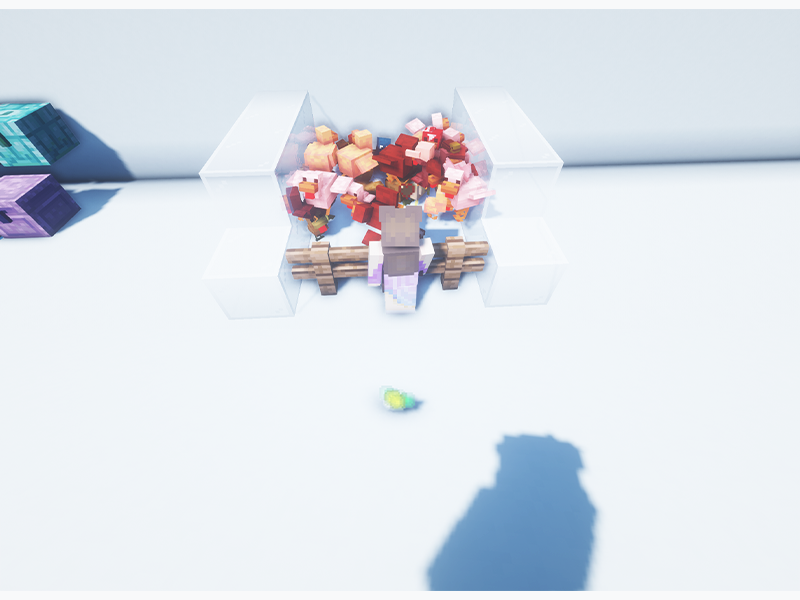
Mooblooms are adorable cows that mimic the flower or organic material they’re named after. For example, the Blue Orchid Moobloom is a cow that grows blue orchids on its back. This mod also comes with four similar chicken variants called Cluckshrooms!

10 – Eldritch Mobs

Spiders are the worst. Look at all those effects!

By cyborg_pigeon

Game Versions: 1.16, 1.17

If you’re a challenge seeker or someone who just wants to die a lot in Minecraft, then consider adding this mod. Eldritch Mobs adds dangerous and unique mobs to your world. There are three tiered categories of modified mobs with configurable abilities, health, and dropped loot. Abilities could include yeeter, where the mob launches the target into the air, or duplicator, where the mob will occasionally create a clone of itself!

NEXT UP

Top 10 Enchantments in Minecraft

howchoo   (467)
March 25, 2024

The longer you play Minecraft, the more you realize that early-game tools just won’t cut it. Exploring the enchantment feature of Minecraft can be exciting, but also intimidating. Rather than worry about researching enchantments, below are the best enchantments in Minecraft! To learn how to enchant items, check out this guide! In this guide, you’ll see

Continue Reading

howchoo

 467 guides

Introducing Howchoo, an enigmatic author whose unique pen name reflects their boundless curiosity and limitless creativity. Mysterious and multifaceted, Howchoo has emerged as a captivating storyteller, leaving readers mesmerized by the uncharted realms they craft with their words. With an insatiable appetite for knowledge and a love for exploration, Howchoo’s writing transcends conventional genres, blurring the lines between fantasy, science fiction, and the surreal. Their narratives are a kaleidoscope of ideas, weaving together intricate plots, unforgettable characters, and thought-provoking themes that challenge the boundaries of imagination.

<!–
–> <!–

Discuss

–> <!–
–> <!–
–> <!–
–>
Home Interests Minecraft

Best Server Utility Mods for Minecraft (Fabric)

Fabric mods that help with server management or improves performance!
howchoo   (467)
September 27, 2023
22 minutes

Share

<!–
–> <!–

Discuss

–> <!–
–> <!–
–> <!–
–>
Interests
Posted in these interests:
READY PLAYER 1
gaming • 85 guides <!– –>
Minecraft is an epic sandbox video game developed by Swedish game developer Mojang Studios.
minecraft • 66 guides <!– –>
minecraftfabric • 8 guides <!– –>

The variety of mods available for Minecraft is just as vast as the worlds within the game itself. Most likely, any mod you could want or dream of has already been developed. As an avid Minecraft player, I’ve recently become obsessed with Fabric Minecraft mods and run a survival multiplayer server (SMP)!

This guide will go through mods available for Fabric Minecraft multiplayer servers that add tools for server management or improves performance. The following list includes not just one type of mod, but a large variety. So whether you’re hosting a server that’s PVP or casual, you’ll find something for any type of Minecraft player!

If you’re interested in more mods for Minecraft, check out the Minecraft Forge interest!

Note that at the game versions available may change since the time of publishing. Most photos were taken using BSL Shaders and Optifine in 1.16.5.

1 – Xaero’s Minimap and World Map

By xaero96

Game Versions: 1.12, 1.14, 1.15, 1.16, 1.17

These are two mods I’ve grouped together for obvious reasons. This is an easy to use, completely customizable minimap that also benefits from the larger World Map mod, but doesn’t require it. It has an infinite amount of waypoints and integrates with the Waystones mod. It also displays dots for various items or entities on the map. I highly recommend these mods and use them frequently in my own playthrough.

2 – Spark

By Iucko

Game Versions: 1.12, 1.15, 1.16, 1.17

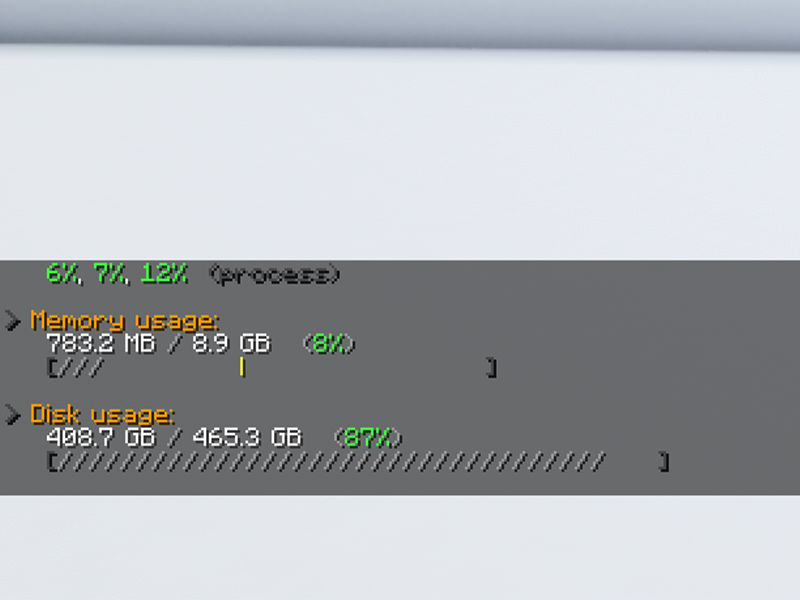
Spark is a mod made for Minecraft to monitor and report on performance. It has a CPU profiler, inspects memory usage and issues, and even server health reporting. All you need to do is install it and use commands to get whatever information you want!

3 – WorldEdit

By k89q

Game Versions: 1.12, 1.14, 1.15, 1.16, 1.17

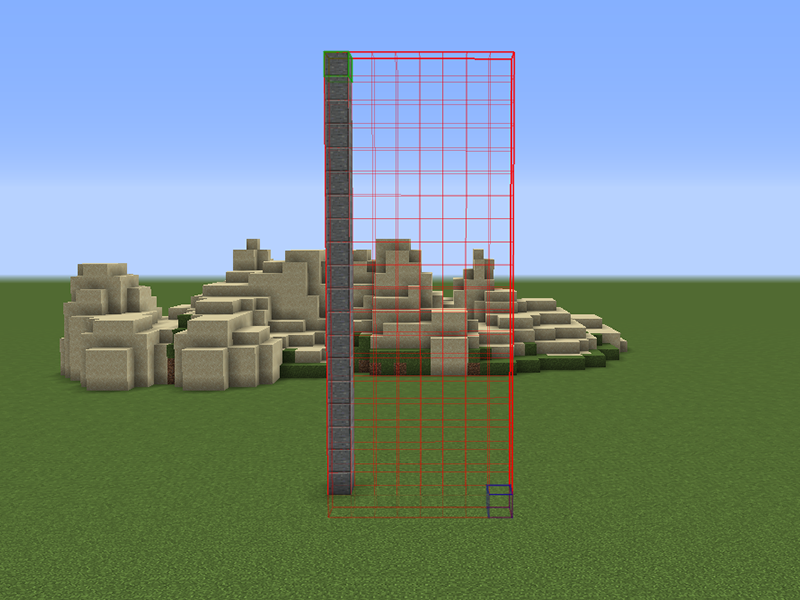
If there’s ever a mod that server admins need to learn, it’s WorldEdit. My entire gameplay and building has changed since learning to just the basics of WorldEdit. This is the best Minecraft map editor mod out there. Change the landscape, copy or paste blocks, import schematics, and so much more. It’s the best mod to use when wanting to build a world spawn area in a server.

4 – Origins

By Apace100

Game Versions: 1.16, 1.17

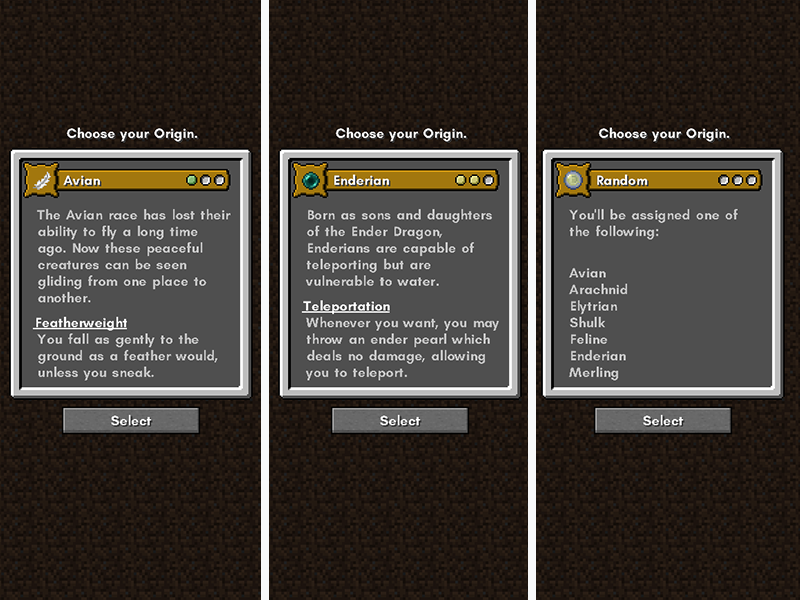
The Origins mod changes the gameplay of a world by having the player choose a character origin at the beginning of the game. Each origin has its own abilities and weaknesses that affect how they’ll play Minecraft. For example, the Avian origin moves quicker and has slow falling, but can’t eat meat or sleep at low altitudes. The Fabric version has many more add-ons than the Forge alternative. A few are Mob OriginsClasses, and Expanded Origins!

5 – OptiFabric

By Chocohead

Game Versions: 1.14, 1.15, 1.16, 1.17

An essential mod for a server, OptiFabric enables the use of Optifine for players. Without it, no one will be able to use shaders and have those beautiful screenshots to share!

6 – Simple Voice Chat

By henkelmax

Game Versions: 1.15, 1.16, 1.17

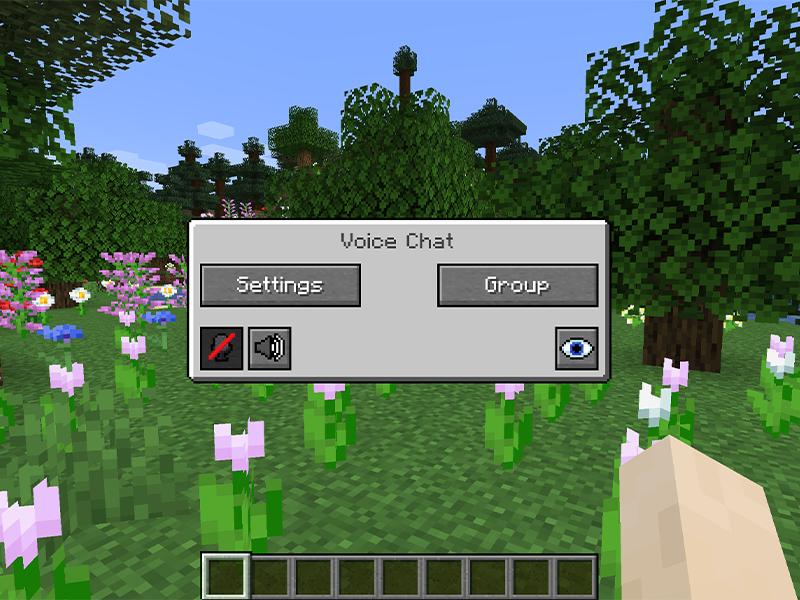
This is a must-have for servers that want to foster community as well as exploration. This adds a proximity chat to the server, which can be set for push to talk or voice activation. It’s completely configurable for volume control, and you can even test your microphone with a playback feature to make sure the quality is good.

7 – Feed the Beast Mods

I’ve bundled all the Feed the Beast (FTB) mods together because they’re great as a package and tend to rely on one another for full functionality. They’re what I currently use for a modded Minecraft server! My main complaint, however, is the lack of accurate documentation for some mods. Just something to keep in mind for consideration.

FTB Backups
Game Versions: 1.12, 1.14, 1.15, 1.16
Provides a configurable backup system for servers and creates them only when players are online to save space from clutter!

FTB Quests
Game Versions: 1.12, 1.15, 1.16
For those that want a server with quests, this is a great mod to have. It makes it easy to create custom quests for players.

FTB Chunks
Game Versions: 1.15, 1.16
This mod comes with its own world map and minimap. More importantly, it allows for players to claim chunks. Only those the player allies with will be able to interact or affect blocks in the claimed area. I highly recommend using in conjunction with FTB Teams for full functionality.

FTB Teams
Game Versions: 1.15, 1.16
This mod adds the ability for teams to be made. On its own, it’s not very impressive, but matched with FTB Chunks and FTB Quests, servers run smoothly.

FTB Ultimine
Game Versions: 1.12, 1.15, 1.16
This is a great VeinMeiner alternative for newer game versions. With a configurable key, players can harvest multiple blocks at once. You can also configure a whitelist of blocks for the server!

FTB Essentials
Game Version: 1.16
This mod adds utility commands that are essential to running and maintaining a server. It allows players to teleport to one another, change nicknames, set homes, and more!

FTB Ranks
Game Versions: 1.15, 1.16
This is essential if you want to enable permissions on a server. Completely configurable, you can set ranks for new players, moderators, and any other type that give specific access to mod commands.

8 – Chat Heads

By dzwdz

Game Version: 1.16

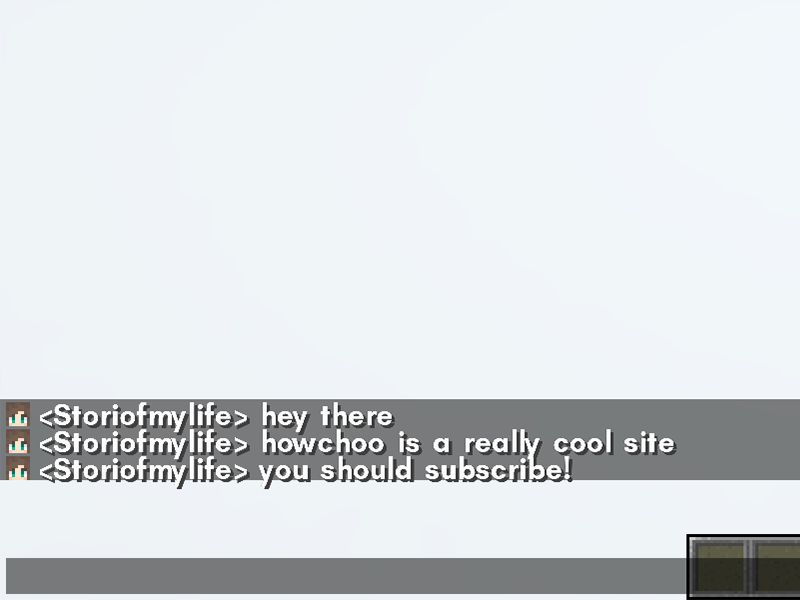
This is a mod for clients that makes chat just a little more developed. It adds the player head beside their messages, which makes it much easier to tell people apart in a larger sized server.

9 – FastDecay

By bradbot_1

Game Version: 1.17

One of the more annoying aspects of Minecraft are the floating leave blocks that sit in the air after you’ve chopped down a tree. This mod speeds up leaf decay, so you can get your loot and airspace back in seconds!

10- Fabric Waystones

By LordDeatHunter

Game Versions: 1.16, 1.17

This mod is essential for Fabric multiplayer servers where players spread out and claim areas for themselves. Fabric Waystones adds blocks for the player to return to once they’re activated. There’s also Abyss Watcher and Pocket Wormholes which players can have on hand to use to hop to a waystone they’ve already found. It’s very customizable for server administrators to set the cost and permissions.

11 – Fat Experience Orbs

By NinjaPhenix

Game Versions: 1.14, 1.16, 1.17

When running a server, you need to find ways to reduce lag everywhere. Experience orbs are one of the most forgotten aspects, which is why Fat Experience Orbs is a perfect mod for servers. It groups together XP orbs into one entity and makes the player collect them once they’re touched to help reduce lag.

12 – Dual Riders

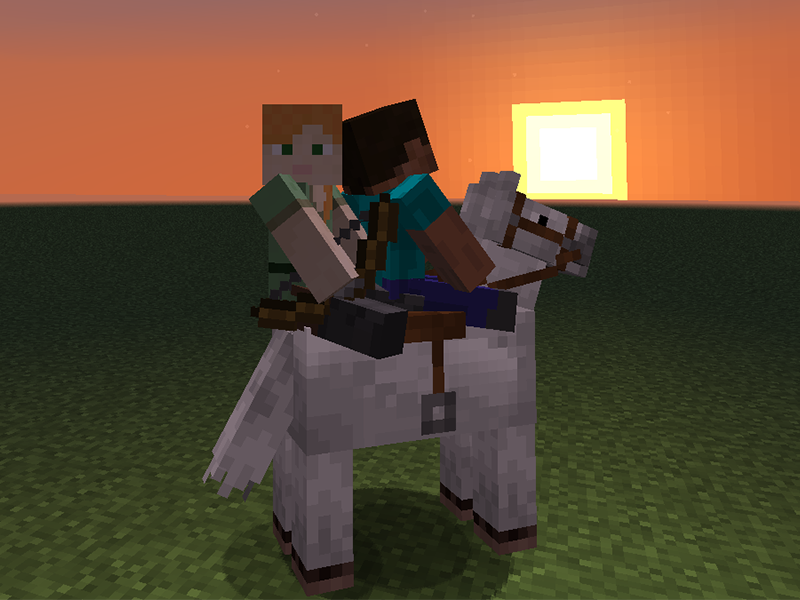
Photo is from the sister mod, Two Players One Horse! CurseForge

By Flytre7

Game Versions: 1.16, 1.17

As the name implies, this mod allows for two players to right on one horse! Friend not included.

13 – Lithium

CurseForge

By jellysquid3

Game Versions: 1.15, 1.16, 1.17

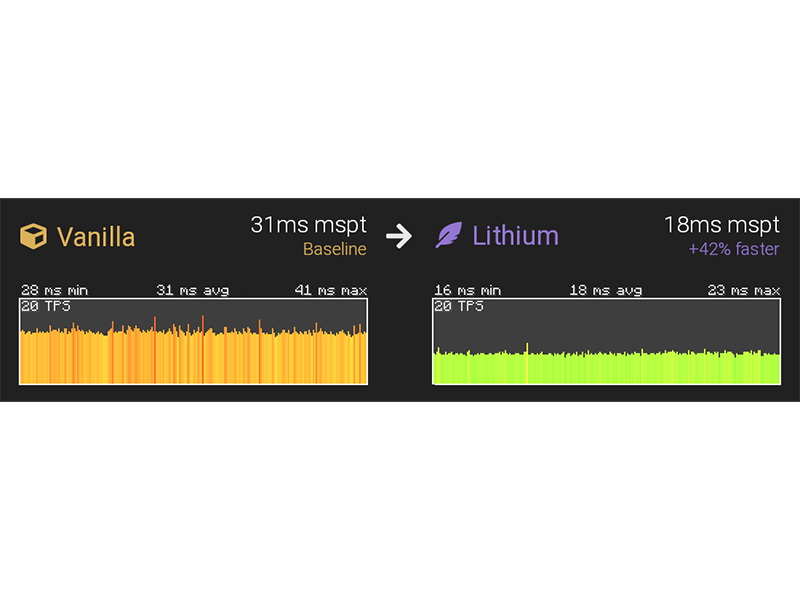
This mod is an essential for troubleshooting or just optimizing both a singleplayer world and server. Lithium is made to improve tick times through powerful optimizations of mob AI, physics, world generation, and block ticking!

14 – Gunpowder

By Martmists

Game Versions: 1.14, 1.15, 1.16, 1.17

Gunpowder is actually a full customizable mod with multiple parts. Instead of having every module in one, the developer has broken them down, so server admins can pick and choose what features they want. This certainly helps save space, loading times, and from having duplicate features in one server. Below is a brief explanation for each module you can download:

  • Currency adds money and commands to pay between users.
  • Discord Whitelist enables admins to connect a Discord server to the Minecraft server based on specific roles.
  • Market allows players to buy and sell items and requires the Currency module.
  • Permissions sets up a list of permissions based on player groups.
  • Signshop turns chests with signs into shops for players to buy from.
  • SleepVote enables the night to pass without needing everyone to sleep.
  • Teleport adds useful teleportation and home commands.
  • Utilities add miscellaneous commands that are functional or fun.

15 – Project: Save the Pets!

Who would hurt a face like that?

By SophiaCoxy

Game Versions: 1.16, 1,17

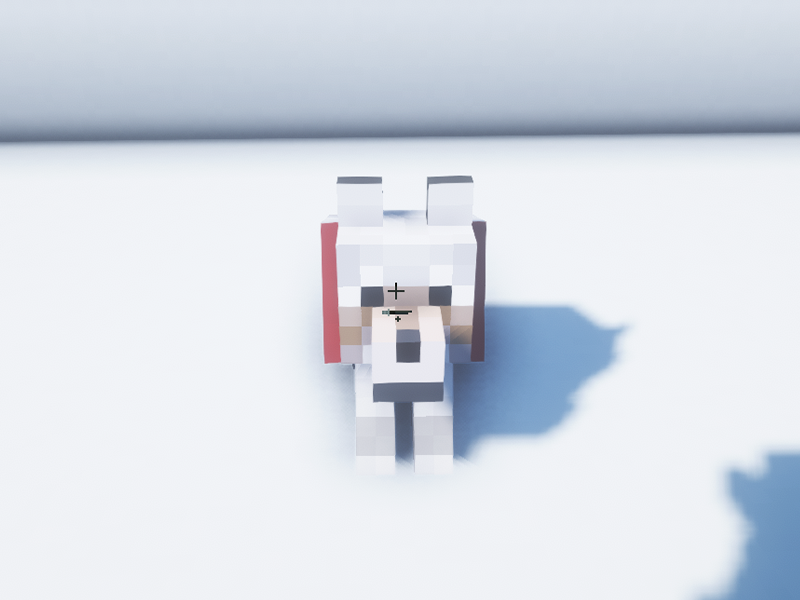
This is a mod that protects pets from others and the player themselves. We all have those oopsie moments where we accidentally switch to a sword instead of a steak. This mod prevents any pet from being damaged (emotionally or physically).

16 – Prefab

CurseForge

By wuestman

Game Versions: 1.16, 1.17

For those that want to just get right into exploration or resource gathering, I highly recommend Prefab. Not only can you preview builds in real time, but modpack creators or server admins can give new players blueprints to get them situated easily in the world.

17 – Hardcore Questing Mode

VsweGoesMinecraft (YouTube)

By LordDusk

Game Versions: 1.12, 1.16

If you’d like to host a server that’s hardcore but also stays active for longer, then consider using Hardcore Questing Mode. It lets players experience hardcore mode without only having one life or being banned from the server. While quests aren’t in the mod already, there is an in-game editor. It also has a tiered reward system and death counter/tracker.

18 – Name Pain

By naqaden

Game Versions: 1.14, 1.15, 1.16

This mod adds some fun to player and mob names by adding cosmetic changes to their appearance. Once an entity has been hit, you can spot their names and even see how their health is based on its color.

19 – Carrier

PwrDown (YouTube)

By GabrielHOlv

Game Versions: 1.16, 1.17

Carrier is a mod that enables players to carry various blocks and entities at the cost of slowness and increased hunger. That’s right, you can finally carry your tamed pets and place them own wherever you want them!

20 – Hole Filler Mod

By DannyBoyThomas

Game Version: 1.16

Last is not least in the case of this mod. This mod contains a hole filler item that fills up a hole with dirt or your chosen block. This is an incredibly lightweight and handy mod to have, especially when creepers are spawning in the world.

NEXT UP

Top 10 Enchantments in Minecraft

howchoo   (467)
March 25, 2024

The longer you play Minecraft, the more you realize that early-game tools just won’t cut it. Exploring the enchantment feature of Minecraft can be exciting, but also intimidating. Rather than worry about researching enchantments, below are the best enchantments in Minecraft! To learn how to enchant items, check out this guide! In this guide, you’ll see

Continue Reading

howchoo

 467 guides

Introducing Howchoo, an enigmatic author whose unique pen name reflects their boundless curiosity and limitless creativity. Mysterious and multifaceted, Howchoo has emerged as a captivating storyteller, leaving readers mesmerized by the uncharted realms they craft with their words. With an insatiable appetite for knowledge and a love for exploration, Howchoo’s writing transcends conventional genres, blurring the lines between fantasy, science fiction, and the surreal. Their narratives are a kaleidoscope of ideas, weaving together intricate plots, unforgettable characters, and thought-provoking themes that challenge the boundaries of imagination.

Home Interests Kids

Slow Media Modern Waldorf & Montessori Kids Can Watch!

If you’re looking for slow media for your modern Waldorf child, this list is for you.
howchoo   (467)
September 27, 2023
42 minutes

Share

Interests
Posted in these interests:
kids • 3 guides
nostalgia • 7 guides
popculture • 14 guides
television • 2 guides

Figuring out what constitutes “slow media” for Waldorf-inspired education is not easy. But media that Waldorf kids can watch does exist! However, the criteria for what media is acceptable to expose kids to is so vastly different for media-conscious parents than the typical age recommendations. Common Sense Media, for instance, offers age recommendations for kids, but it sometimes disregards important factors in a piece of media, like subtextual themes, subtle violence, and irreverence for human life and dignity. This is a problem that so many media recommendation aggregators for parents have. They provide recommendations that are too generic to be of any good.

I was homeschooled by media-conscious parents who, until I was ten, let only a few choice pieces of film and television into my life. But that was in the 1990s, and VHS cassettes were still top-dog technology! Now, it’s nearly impossible for parents to curtail their child’s media interaction—especially since many parents are so busy and stressed that being able to place the kid in front of a screen is one of the few ways for the basic tasks of life to get done. And that’s not even considering all those parents who have to work from home!

For kids, all media is educational: anything they’re exposed to will be something that helps them become who they will be—tomorrow, as well as later in life. Looked at this way, media for kids is all about finding the right balance between media that is engaging while also supporting skills in introspection, media literacy, and reverence for life. This is where a concentration on slow media, for younger kids especially, becomes so vital.

What are media-conscious parents supposed to do?

In 1994, the U.S. Department of Education’s Office of Educational Research and Improvement published guidelines that pointed out the importance of parental guidance for the media kids interacted with:

“Parental monitoring is a key factor, since the research studies show that increasing guidance from parents is at least as important as simply reducing media violence. Children may learn negative behavior patterns and values from many other experiences as well as TV programs, and parental guidance is needed to help children sort out these influences and develop the ability to make sound decisions on their own.”

And Renee Hobbs, expert in media literacy, made this point:

“Just because our students can use media and technology doesn’t mean they are effective at critically analyzing and evaluating the messages they receive. Students need a set of skills to ask important questions about what they watch, see, listen to and read. Often called media literacy, these skills include the ability to critically analyze media messages and the ability to use different kinds of communication technologies for self-expression and communication.”

However, just as media can have extremely detrimental effects on a child’s development, it can have positive effects as well! The key is ensuring that children are accessing only that sort of media that is appropriate to their development, will offer them tools for greater self-awareness and compassion, and will help imbue them with an advanced sense of reverence for the world around them. Reverence, especially, is a vital factor in understanding a modern approach to Waldorf-inspired education. With parental guidance, sound training in media literacy, and a deep concentration on the experience of compassion and reverence, it is possible to bring media into a child’s life in a wholesome and holistic way.

Criteria for inclusion

The most important thing to note about this list is that not all shows should be viewed in a vacuum. I’ve provided important details and a unique rating system to help parents explore this content and decide if it is appropriate for their kid. However, children don’t all develop at the same pace, and the experience and media that a child accesses elsewhere in their life may cause them to have unexpected experiences with any new media!

It’s vital that parents check in with their child and ask them questions that help the child enunciate their thoughts and feelings regarding the media they are exposed to. Likewise, parents should attempt to interact with their child’s media themselves whenever possible, and be present to discuss things with the child that the child may not understand.

Whatever you do, don’t assume that just because something is labeled as “good for kids” it actually is! So much of the content created for children, especially these days, features all manner of implicit violence, humor, social norms, and political subtext that kids simply aren’t able to parse on their own (and which will become part of their unconscious processing of the world). Likewise, the pace of so much media “for children” tends to be extremely hectic, reinforcing unfortunate attention issues as well as behavioral issues when that hectic pace is attached to scenes of action and, or, humor.

Luckily, some great options for kids do exist, and you can find them here!

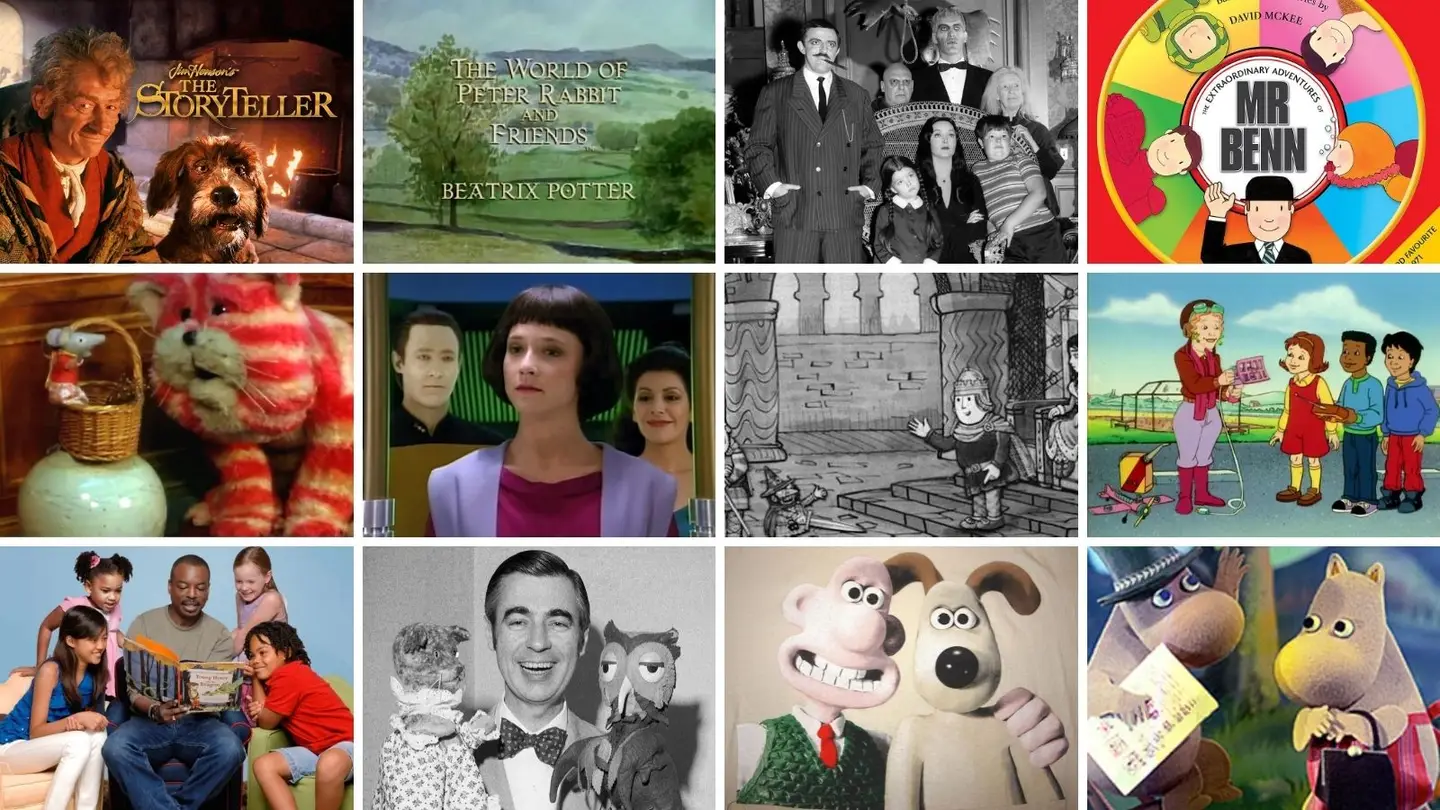
1 – Mister Rogers’ Neighborhood (1962)

Mister Rogers’ Neighborhood (1962)

Mister Rogers’ Neighborhood changed so many lives over the course of its existence as one of the longest-running television series ever, and it still has the power to inform and inspire young viewers today.

Recommendation

Mister Rogers’ Neighborhood (1962)

Fred Rogers believed that media needed to be slower, needed to engage with kids in a different way than all those other shows they had access to, and he provided the sort of content in his series that acted as a balm to some of the damage caused to children by the increasingly hyperactive and violent media directed their way.

Mister Rogers’ Neighborhood is available in full on DVD, and I suggest starting out with the very earliest episodes and working forward. That’s a lot of viewing time and a whole lot of wonderful information as well.

2 – Noggin the Nog (1959)

Noggin the Nog (1959)

Noggin the Nog offers a delightful tale of the Viking King Nog of the land of Nog, a place filled with all manner of the fairy tale fantastic, from talking birds to dragons. The stories all concentrate on Nog’s adventures, usually opposed by the machinations of “Nogbad the Bad,” who wants to take Nog’s throne for himself.

Recommendation

Noggin the Nog (1959)

The story is told through stop-animation, with narration and simple voice-acting bringing the world and the characters to life. In this way, it’s more like experiencing an animated storybook than a modern animation.

3 – Mr. Benn (1971)

Mr. Benn (1971)

Mr. Benn is the story of a typical businessman who wears a suit and black bowler hat most of the time, but who also knows a wonderful secret: if he visits the costume shop and dons a costume, he can walk through the door at the rear of the shop and be transported into an infinite number of possible worlds on imagination.

Recommendation

Mr. Benn (1971)

Mr. Benn works brilliantly for younger children for a number of reasons, not the least of which is due to the extremely simple animation style, which is little more than a moving picture-book with delightful narration. Kids won’t be caught up in a violent swell of frenetic action as with so many series aimed at children—instead, each episode will see them following Mr. Benn as he takes an adventure of the imagination in gentle, slow style. There’s always a gentle moral in the story, but nothing too preachy.

4 – The Moomins (1977)

The Moomins (1977)

The Moomins are the central characters the series is named for, fairy tale creatures who live in their house in Moominvalley. Their little family has all sorts of adventures and meet all manner of interesting characters, and there is contained within their lives a most wonderful appreciation for all the complexities of life—wrapped up in the perfect form for a child to enjoy.

Recommendation

The Moomins (1977)

The Moomins has had a few television incarnations, but this is one of the best, with lots of great input directly from Tove Jansson who created the Moomins comics. The 1990s Japanese animated version is also wonderful, however, and can be shown to kids a year or two later when they start to have more exposure to fully animated works (it’s better to start kids off with stop-motion and other slow forms of animation first).

5 – Pogles’ Wood (1965)

Pogles’ Wood (1965)

Pogles’ Wood offers the tale of the Pogles, tiny magical beings who live in hollow trees in the woods. The Pogles in this story are Mr. And Mrs. Pogle, their adopted son Pippin, and a squirrel-creature named Tog.

Recommendation

Pogles’ Wood (1965)

The original series, entitled Pogles’ Wood, has some themes that are a teensy bit on the darker side of fairy tale lore, and might be better appropriate for a child one or two years older. But, overall, this series is idyllic and ideal, with bold imagination and a sweet sensibility in how it blends the real-world with the world of the childhood fantastic.

6 – Bagpuss (1974)

Bagpuss (1974)

Bagpuss is another lovely stop-motion animation created by the same people who brought Noggin the Nog and The Pogles to life. It centers on a shop where nothing is sold, and the magical inhabitants who are all different toys that come to life when a little girl Emily speaks a special poem to Bagpuss, a cloth cat doll who she loves very much.

Recommendation

Bagpuss (1974)

It’s got a great cast, a wonderful slow form of narration, and a divine series of heartwarming tales that center on things Emily brings into the shop in the hope of their finding their way back to their original owners.

7 – Camberwick Green (1966)

Camberwick Green is the small fictitious village where the series takes place. Each episode sees the villagers of Camberwick Green dealing with one or another domestic crisis (such as a water shortage or a swarm of bees) but, by the episode’s end, all the problems are worked out to the benefit of all.

Recommendation

Camberwick Green (1966)

The whole series is done with brilliant stop-motion puppets, carefully guided through their plot by the gentle voice of the narrator who describes their adventures.

8 – The World Of Peter Rabbit & Friends (1992)

The World Of Peter Rabbit & Friends (1992)

Possibly the best adaptation of Beatrix Potter’s famous tales, this version effortlessly melds reality with delightful simple animation. Each episode begins with Beatrix Potter (played by Niamh Cusack) painting in the woods or else doing her shopping in town. This live action sequence is always beautiful and shows her as she returns home to pen one of her famous stories. The stories themselves are then shown through animation. The score is of particular note with this one: hauntingly beautiful, it’s easily the best music for any adaptation of Beatrix Potter’s work.

Recommendation

The World Of Peter Rabbit & Friends (1992)

The World Of Peter Rabbit & Friends is my choice for kids for a number of reasons. It’s aesthetically meticulous, gorgeous in both photography, animation, and sound-design, and provides an immersive experience that encourages children’s love of nature. Dianne Jackson, director of the 1982 Christmas special The Snowman, was involved in the production, so if you’ve seen that (and who hasn’t!) you’ll instantly know that this series is something special.

9 – Wallace and Gromit (1989)

Wallace and Gromit (1989)

Wallace and Gromit is a claymation production featuring a man named Wallace, an inventor who loves cheese, and his more-intelligent dog companion, Gromit. Together, they get into all sorts of hijiinks and adventures, from their attempt to fly to the Moon (because it’s made of cheese), to discovering the source of the missing carrots at Halloween!

Recommendation

Wallace and Gromit (1989)

Since the whole series is made through stop-motion, the animation style has a uniquely tactile feeling to it. Some of the action in the series is a little faster, so it’s better for children who are a smidgen older and already have some media experience under their belt—likewise, a few episodes will be scary for kids who haven’t already encountered some media.

There are film shorts, feature films, and two television series of this excellent series!

10 – Reading Rainbow (1983)

Reading Rainbow (1983)

Reading Rainbow helped untold numbers of kids all over the United States, and often much farther, learn to love reading books. Hosted by the incomparable LeVar Burton, the series was a magical adventure into the topic from a children’s book, from history to hats!

Recommendation

Reading Rainbow (1983)

Considering how important it is for children to have early and wide access to good reading material, Reading Rainbow really is the ideal show for kids to watch.

11 – The Addams Family (1964)

The Addams Family (1964)

The Addams Family are happiest when it’s rainy and gray, when thunder and lightening kiss the sky, and when Halloween is near. Their delightful approach to the moribund condition of life is one of dynamic dualism: they are at once wealthy and yet eschew all value in money; they are fans of all things strange and dark yet show emotion freely and express their love for one another in little acts of kindness. In so many ways, the Addams family provides a staple vision of an accepting, open-minded, and relatively stable family system.

Recommendation

The Addams Family (1964)

This version of The Addams Family really is the definitive version, though I also highly recommend the 1991 film The Addams Family as well as the 1993 Addams Family Values for children of around 12 years old. The classic 196os series, however, offers the best version of the Addamses for younger children, while remaining intimately enjoyable by adults. The best part about the series is how it portrays a loving family and a strong spousal relationship (especially rare in television from the era). The Addams Family also offers a subtle counter-culture thread that younger kids will benefit from: seeing a family that eschews conservative social values while simultaneously offering oddly healthy alternatives.

12 – The StoryTeller (1987)

The StoryTeller (1987)

Fairy tales underpin every aspect of our culture at a primal level, and yet are so infrequently brought to life with the sort of care and reverence they require. Well, Jim Henson’s brilliant series remedies that, providing faithful, funny, dark, and brilliant adaptations of both classics and less

Recommendation

The StoryTeller (1987)

The StoryTeller might strike kids who have lots of previous media experience as a bit slow, but even so, it should capture their imaginations… if give time. For kids without much media experience, some of the portrayals of the fairy tales might be a teensy bit scary. I’d generally say that’s okay, however: the darker side of fairy tale myth is an important reason for the existence of fairy tales. Just make sure that your child gets a chance to talk about what they thought and felt after watching an episode.

Waldorf parents will know a bit about the 9-year change, the point where some of the harder aspects of growing up begin to emerge in children. This period of time is when kids start to want privacy, start to distance themselves from their parents, and start to wonder about things like “why do people die?” Fairy tales might seem a bit intense and dark, but that’s exactly what kids at this age need: because they are going through the first intense stage of their lives.

13 – The Magic Schoolbus (1994)

The Magic Schoolbus (1994)

The Magic Schoolbus follows the magical adventures of Ms. Frizzle’s class, which takes field trips to all manner of locales—in all possible times! It focuses on science and social-emotional lessons.

Recommendation

The Magic Schoolbus (1994)

I specifically don’t recommend the newer series, The Magic School Bus Rides Again because it follows the modern mode of thinking regarding children’s shows: that faster, flashier, and more frenetic is likely to capture children’s attention. As always, I prefer shows which help children develop their imaginative capacities, which is aided by slower-form media!

The 1990s series has plenty of action, though, so kids will love it—but the tone as well as the quality of the hand-drawn animation are more conducive to a child’s imaginative interaction with the media.

14 – Doctor Who (1963)

Doctor Who (1963)

Doctor Who is one of the longest-running series in existence, with untold cultural impact on both the United Kingdom and the world-at-large. The tale of a “Time Lord” with a fondness for Earth who ends up traveling through time and space with various human companions, Doctor Who is a fantastic voyage to the limits of the imagination. The first two seasons, in black and white and with highly-staged environments, are ideal for kids who are just starting to explore new media forms.

Recommendation

Doctor Who (1963)

Doctor Who as a whole is not a something a kid should just sit down in front of to watch, but the first two seasons are excellent in terms of pace and style. I would suggest jumping from these early seasons straight to Tom Baker’s run as the Doctor in 1974. What I do not recommend is allowing kids to watch the newer shows, not until they’ve hit their early teens.

Parents should mainly be aware of the sexism that can emerge in these early series, which is incredibly casual. Likewise, the lack of minority representation is something to be aware of. The sexism, which can be particularly acute at times, is something parents should take special note to speak with their children about before, during, and after an episode.

15 – Star Trek: The Next Generation (1987)

Star Trek: The Next Generation (1987)

Star Trek is one of the best-known and most-loved franchises in the world, and for good reason. At its best, the series is a definitive attempt to imagine a healthy post-capitalist future, in which the driving force in people’s lives is not the acquisition of wealth but the betterment of self and the advancement of the species. The Next Generation is technically the 3rd incarnation of the franchise (with an animated series sitting between it and the original Star Trek). With a cast made of largely of classically trained stage actors, the pacing is frequently slow, the content is rich, and many episodes feature important ethical and philosophic content.

Recommendation

Star Trek: The Next Generation (1987)

Star Trek: The Next Generation is the one to watch if you want to introduce a kid to Star Trek, but some episodes aren’t suitable for children for various reasons. A parent that is deeply concerned about what their child is exposed to will need to make a case-by-case basis on the episodes in a season, requiring a bit more work. Some sexual themes exist in the show, but few that are unreasonable for a 10 to 12-year-old; and some feature violence that kids might be influenced by too easily. (One of these days I’ll get around to writing a kids-viewing-order list!).

I strongly, strongly recommend not allowing children to view the modern versions of Star TrekEnterprise, Deep Space Nine, and Voyager, are more suitable for a child of 13+. Discovery, and most definitely Lower Decks feature content I would categorize as 17+ (and I wouldn’t let even a teenager watch Lower Decks, honestly. It seems that all the newest Star Trek material is anything but “slow” and frequently features the sort of casual irreverence, violence, and sexualized humor that just isn’t a good influence on kids.

All that said: Star Trek is one of the most potent introductions to the sort of stories that provide a vital alternative to the negative social norms found throughout modern society.

NEXT UP

30 of the Rarest Board Games

30 rare board games that every collector wants!
howchoo   (467)
September 29, 2023

Board games may not be the first thing on your mind when you think of collectibles, and yet there is a deep and not-so-hidden world of board game hoarding, collecting, and trading as complex as that found within any other area of interest — perhaps deeper! There is a huge range of wonderful old games

Continue Reading

howchoo

 467 guides

Introducing Howchoo, an enigmatic author whose unique pen name reflects their boundless curiosity and limitless creativity. Mysterious and multifaceted, Howchoo has emerged as a captivating storyteller, leaving readers mesmerized by the uncharted realms they craft with their words. With an insatiable appetite for knowledge and a love for exploration, Howchoo’s writing transcends conventional genres, blurring the lines between fantasy, science fiction, and the surreal. Their narratives are a kaleidoscope of ideas, weaving together intricate plots, unforgettable characters, and thought-provoking themes that challenge the boundaries of imagination.

Home Interests Guides

How to Connect Your Child with Friends on Messenger Kids

howchoo   (467)
September 27, 2023
3 minutes

Share

Interests
Posted in these interests:
guides • 10 guides

Facebook’s Messenger Kids is a free app that allows children to make video calls and send messages on smartphones and tablets, but with more control than just giving your child access to a phone. With Messenger Kids, parents can control their child’s online experience through a variety of functions that allow them to have a safe and secure online experience.

Connecting with friends is the purpose of the app, and there’s a way you can expand or reduce the number of people who see your child’s profile that can help protect them, or allow them to find more people to interact with.

Essentially, this feature acts as a ‘public vs. private profile’ feature. When turned on, parents and guardians will still be able to managed their child’s contact list or change this setting from the Parent Dashboard. When turned on, friends of your child’s contacts will be able to see your child’s name and photo, and can request to chat with you child.

1 – How To Help Your Child Connect With More Friends on Messenger Friends

  1. Open the Facebook app and tap the three horizontal lines in the bottom right.
  2. Scroll down and select ‘Messenger Kids.’
  3. Click on your child’s photo.
  4. Click ‘Controls,’ then select ‘Help (Child’s Name) Connect.’
  5. You’ll see a button next to ‘Allow friends of (Child’s Name) contacts to ask to chat?’ You can turn that on or off by clicking the button.
NEXT UP

How to Change the Windows 11 Start Menu and Button

howchoo   (467)
December 13, 2023

As with every update, Microsoft has changed Windows 11 to look different than its predecessors, and while the update looks modern and clean there are some interesting changes. Arguably the most jarring of all the changes is the one made to the Windows 11 Start Menu, which looks completely different. Instead of a clean, easy-to-navigate

Continue Reading

howchoo

 467 guides

Introducing Howchoo, an enigmatic author whose unique pen name reflects their boundless curiosity and limitless creativity. Mysterious and multifaceted, Howchoo has emerged as a captivating storyteller, leaving readers mesmerized by the uncharted realms they craft with their words. With an insatiable appetite for knowledge and a love for exploration, Howchoo’s writing transcends conventional genres, blurring the lines between fantasy, science fiction, and the surreal. Their narratives are a kaleidoscope of ideas, weaving together intricate plots, unforgettable characters, and thought-provoking themes that challenge the boundaries of imagination.

Home Interests 3D Printing

How to Power a Raspberry Pi from a 3D Printer Using Your Printer’s Power Supply Unit (PSU)

Who needs more power bricks?
howchoo   (467)
September 27, 2023
14 minutes

Share

You’ll Need 8

What you’ll need
Interests
Solder x 1 tube
Foam tape x 1 roll
Howchoo is reader-supported. As an Amazon Associate, we may earn a small affiliate commission at no cost to you when you buy through our links.
Posted in these interests:
3dprinting • 36 guides
octoprint • 10 guides
pi • 92 guides

This guide will show you how to power a Raspberry Pi using your 3D printer’s power supply. This is especially useful if you’re using OctoPrint and only want to run your Pi when your 3D printer is running.

In a nutshell, we’re going to connect our printer to a small voltage regulator, also known as a “buck converter” or “step down converter”, to reduce the printer’s higher voltage to the 5V needed by the Pi.

This guide will work for any Raspberry Pi model, including the Raspberry Pi 4.

Important note: This guide involves electricity. Take proper precautions even when working with low voltages.

1 – Determine your connections

Before we can connect the LM2596 voltage regulator, we’ll need to determine where the connection should take place.

There are basically two methods of tapping into your 3D printer’s power supply:

Method #1: Run a new power supply line from your PSU

For this method, open up your printer’s power supply unit (PSU) and run a new positive (+) and negative (-) wire from one of the available slots. If you’re lucky, your PSU might have a separate 5V power output terminal.

In this unlikely case, no voltage regulator is needed! You can skip forward and connect these lines directly to your Pi. However, be sure that at least 2A is being output, or else you’ll need to use another supply line.

Note: Before opening your power supply, disconnect your printer’s power and wait for any capacitors in the PSU to discharge.

Method #2: Splice into the printer’s existing (external) wires

For this method, we can splice into one of the wires already coming out of your power supply. By splice, I don’t mean strip and use electrical tape. I recommend using some kind of Y-splitter cable to split the power out.

This method takes less time because no PSU disassembly is required. Additionally, it takes only seconds to revert the change if you’d like to undo your modifications. For these reasons, this is the method I’m going with.

My printer is the Creality Ender 3 and uses common XT60 connectors, so I used this extension cable. Some printers use other connectors, however; thus, be sure to choose a Y-splitter cable that will work with your printer.

The rest of this guide will work for you regardless of which approach you choose!

2 – Solder the buck converter INPUT wires

Now we’re going to connect the INPUT side of the LM2596 voltage regulator/buck converter to the printer’s power supply.

Since I’m using method #2, this means soldering my Y-splitter cable directly to the converter. I recommend printing a small enclosure for your LM2596; you can find tons of these on Thingiverse. The exact enclosure I used is included with this printer-mounted Pi enclosure.

First, Cut and strip one “leg” of the Y cable.

Then, solder the red positive (+) wire to the positive (+) INPUT terminal.

Finally, solder the black negative (-) wire to the negative (-) INPUT terminal.

Be sure to thread the wires through the enclosure opening before soldering them.

3 – Solder the buck converter OUTPUT wires

The Raspberry Pi 1, 2, 3, and Zero use a Micro USB port for power, so we’ll need to solder one to the output terminals of our buck converter. To do this, we’ll cannibalize an old Micro USB cable or AC adapter.

The Raspberry Pi 4 uses a USB-C port for power. If you’re using a Pi 4, you’ll need to cannibalize a USB-C cable or adapter instead.

Cut open and strip the cable. Locate the red positive (+) and black negative (-) wires, and solder these to the OUTPUT terminals of the buck converter.

Again, if you’re using an enclosure, thread the cable through the enclosure hole first.

🛈 Keep in mind how far your Pi will be mounted from the step down converter and don’t cut your cable too short!

4 – All soldered!

Lookin’ good.

5 – Adjust the buck converter output voltage

Next, we need to adjust the buck converter’s output voltage to 5V. For my printer, the line I’m tapping into is 24V, so I’ll be stepping this 24V down to 5V.

To do this, we’re going to connect a multimeter to the buck converter’s output, power on the printer (input), and turn a small potentiometer on the buck converter using either a small screwdriver or your fingernail.

If you don’t have a multimeter, you should think about picking one up. Check out our list of the best multimeters. Alternatively, you can alternatively purchase a buck converter that shows the output voltage on a built-in LCD display (though these are more expensive).

The Best Multimeters for Beginners and Pros (2022)
We present you with our guide to the best multimeter in five categories.

With your printer’s power cord disconnected, connect your buck converter to your printer’s power supply using either the wires you connected directly to your PSU (method #1) or the Y-splitter cable (method #2). Make sure neither the buck converter or any of your wires are touching any metal.

Then, set your multimeter to DC and connect it to the output terminals of the buck converter. I recommend using alligator clip leads if you have them; if you don’t, a second set of hands helps.

After you’re sure all hands and wires are free from any contact, connect your printer’s power cable and power it on. Turn the small potentiometer until your multimeter reads 5V. Then, turn off and unplug your printer.

🛈 Be EXTRA careful when working around live power so that you don’t electrocute yourself or your electronics.

6 – Secure the buck converter

Secure the LM2596 enclosure to your printer using foam tape, taking care not to mount it in the way of any moving parts.

7 – Secure all wires and power on the Pi!

Connect the USB cable to your Pi. Use zip ties to secure your wires away from any moving parts and power on your Pi.

Pat yourself on the back, you’re all done! If you’re working on an OctoPrint setup, be sure to check out my comprehensive OctoPrint setup guide.

🛈 Remember, you should always safely shut down your Pi through the OctoPrint interface prior to turning your printer’s power switch off.
NEXT UP

How to Run a Minecraft Server on the Raspberry Pi

A whole world trapped inside your Pi.
howchoo   (467)
December 7, 2023

There are several ways to go about running a Minecraft server on the Raspberry Pi. In this guide, I’ll cover how to install Nukkit—a cross-platform Minecraft server that’s super easy to set up on the Raspberry Pi. This server should work with PCs, consoles, and tablets running Minecraft 1.14. I’ll be using a Raspberry Pi

Continue Reading

howchoo

 467 guides

Introducing Howchoo, an enigmatic author whose unique pen name reflects their boundless curiosity and limitless creativity. Mysterious and multifaceted, Howchoo has emerged as a captivating storyteller, leaving readers mesmerized by the uncharted realms they craft with their words. With an insatiable appetite for knowledge and a love for exploration, Howchoo’s writing transcends conventional genres, blurring the lines between fantasy, science fiction, and the surreal. Their narratives are a kaleidoscope of ideas, weaving together intricate plots, unforgettable characters, and thought-provoking themes that challenge the boundaries of imagination.