Home Interests Minecraft

Best Server Utility Mods for Minecraft (Forge)

Forge mods that help with server management or improves performance!
howchoo   (467)
September 28, 2023
22 minutes

Share

Interests
Posted in these interests:

READY PLAYER 1
gaming • 85 guides
Minecraft is an epic sandbox video game developed by Swedish game developer Mojang Studios.
minecraft • 66 guides
minecraftforge • 5 guides

The variety of mods available for Minecraft is just as vast as the worlds within the game itself. Most likely, any mod you could want or dream of has already been developed. As an avid Minecraft player, I’ve recently become obsessed with Forge Minecraft mods and run a survival multiplayer server (SMP)!

This guide will go through mods available for Forge Minecraft multiplayer servers that add tools for server management or improves performance. The following list includes not just one type of mod, but a large variety. So whether you’re hosting a server that’s PVP or casual, you’ll find something for any type of Minecraft player!

Note that at the game versions available may change since the time of publishing. Most photos were taken using BSL Shaders and Optifine in 1.16.5.

1 – Fast Leaf Decay

By olafskiii

Game Versions: 1.12, 1.14, 1.15, 1.16

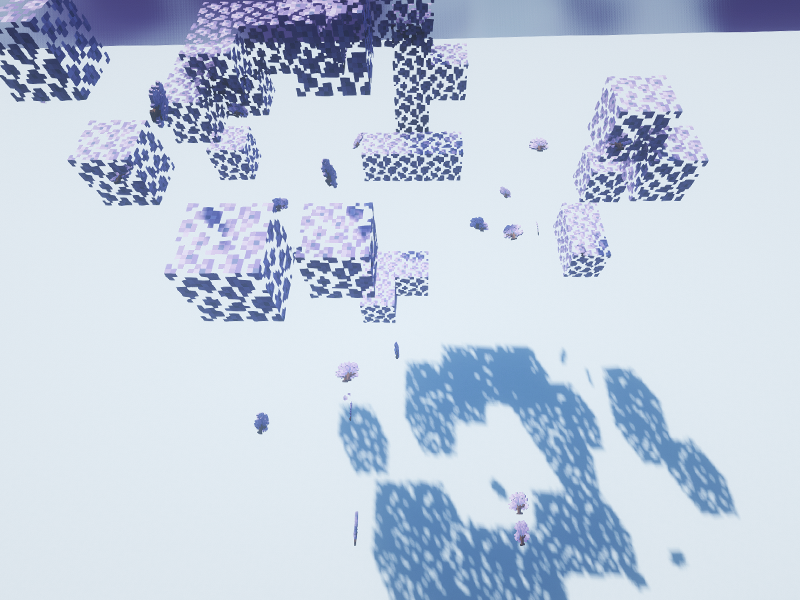
One of the more annoying aspects of Minecraft are the floating leave blocks that sit in the air after you’ve chopped down a tree. The Fast Leaf Decay mod speeds up leaf decay, so you can get your loot and airspace back in under five seconds!

2 – Feed the Best Mods

I’ve bundled all the Feed the Beast (FTB) mods together because they’re great as a package and tend to rely on one another for full functionality. They’re what I currently use for a modded Minecraft server! My main complaint, however, is the lack of accurate documentation for some mods. Just something to keep in mind for consideration.

FTB Backups
Game Versions: 1.12, 1.14, 1.15, 1.16
Provides a configurable backup system for servers and creates them only when players are online to save space from clutter!

FTB Quests
Game Versions: 1.12, 1.15, 1.16
For those that want a server with quests, this is a great mod to have. It makes it easy to create custom quests for players.

FTB Chunks
Game Versions: 1.15, 1.16
This mod comes with its own world map and minimap. More importantly, it allows for players to claim chunks. Only those the player allies with will be able to interact or affect blocks in the claimed area. I highly recommend using in conjunction with FTB Teams for full functionality.

FTB Teams
Game Versions: 1.15, 1.16
This mod adds the ability for teams to be made. On its own, it’s not very impressive, but matched with FTB Chunks and FTB Quests, servers run smoothly.

FTB Ultimine
Game Versions: 1.12, 1.15, 1.16
This is a great VeinMeiner alternative for newer game versions. With a configurable key, players can harvest multiple blocks at once. You can also configure a whitelist of blocks for the server!

FTB Essentials
Game Version: 1.16
This mod adds utility commands that are essential to running and maintaining a server. It allows players to teleport to one another, change nicknames, set homes, and more!

FTB Ranks
Game Versions: 1.15, 1.16
This is essential if you want to enable permissions on a server. Completely configurable, you can set ranks for new players, moderators, and any other type that give specific access to mod commands.

3 – Xaero’s Minimap and World Map

By xaero96

Game Versions: 1.12, 1.14, 1.15, 1.16, 1.17

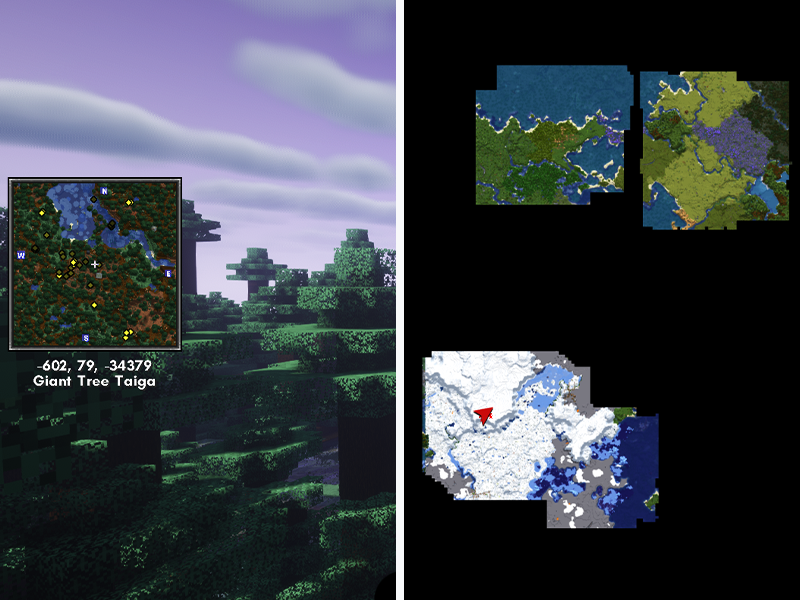
These are two mods I’ve grouped together for obvious reasons. This is an easy to use, completely customizable minimap that also benefits from the larger World Map mod, but doesn’t require it. It has an infinite amount of waypoints and integrates with the Waystones mod. It also displays dots for various items or entities on the map. I highly recommend these mods and use them frequently in my own playthrough.

4 – AI Improvements

By QueenOfMissiles

Game Versions: 1.12, 1.14, 1.15, 1.16

This mod helps the base game deal with heavily modded worlds and take away the stress of a modded ecosystem. AI Improvements can be customized so it only affects certain AI functions, but overall does help improve server performance for older versions of the game.

5 – NetherPortalFix

By BlayTheNinth

Game Versions: 1.12, 1.14, 1.15, 1.16

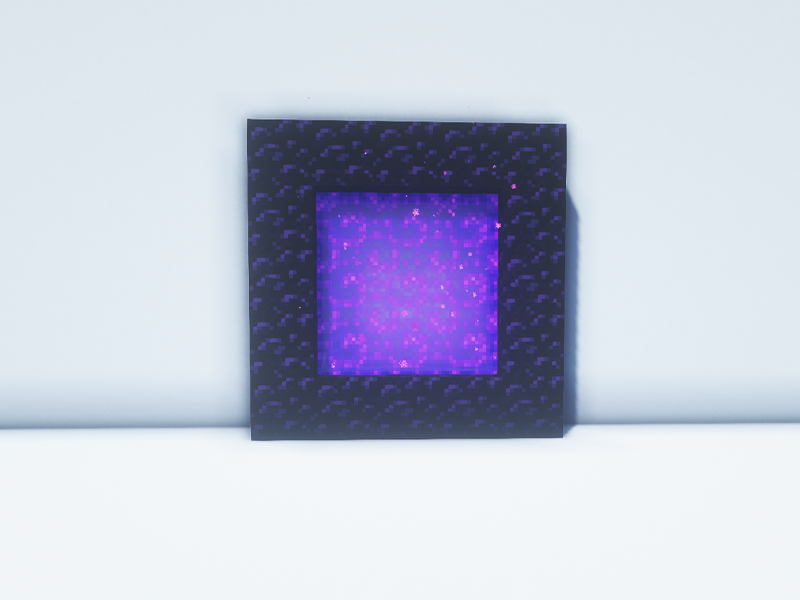
A common problem that can occur on multiplayer servers is that Nether portals will sometimes cross paths. This means that players can go through their own portal to the Nether, but end up at a neighbor’s on their way back home. This mod keeps track of which portals a player went through to make sure they go back through it properly.

6 – Morpheus

By Quetzi

Game Versions: 1.12, 1.14, 1.15, 1.16

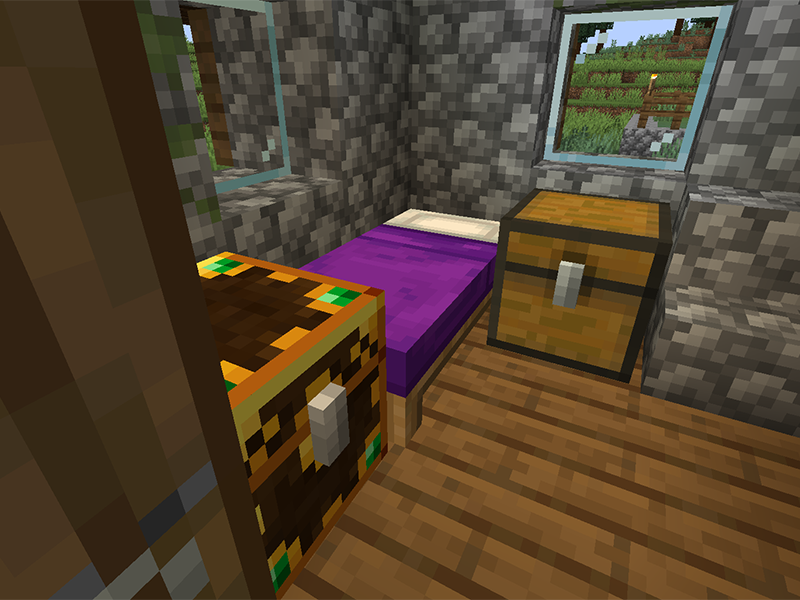
This is a server-side mod that enables for nighttime to be passed based on a pre-configured percentage. By default, it’s set to 50% of players need to be in bed in order to skip the night. You can also customize the messages that are shown in the morning.

7 – Clumps

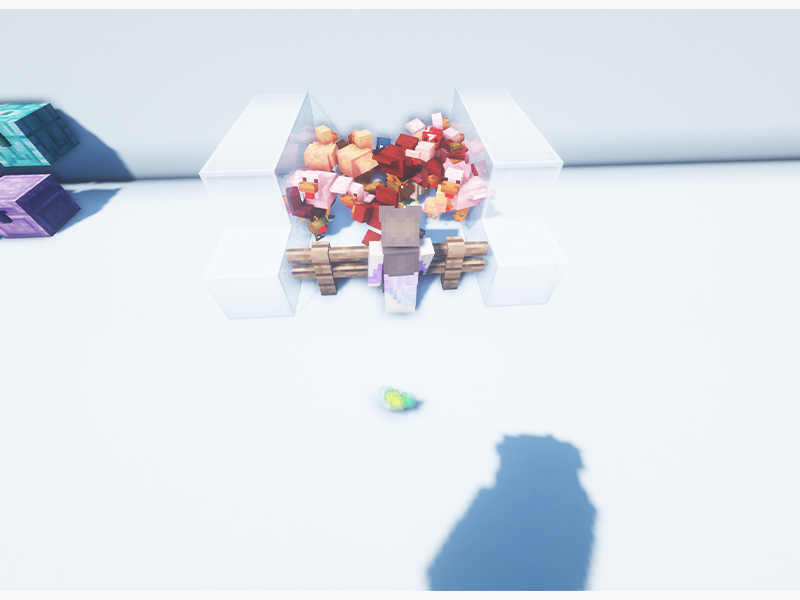
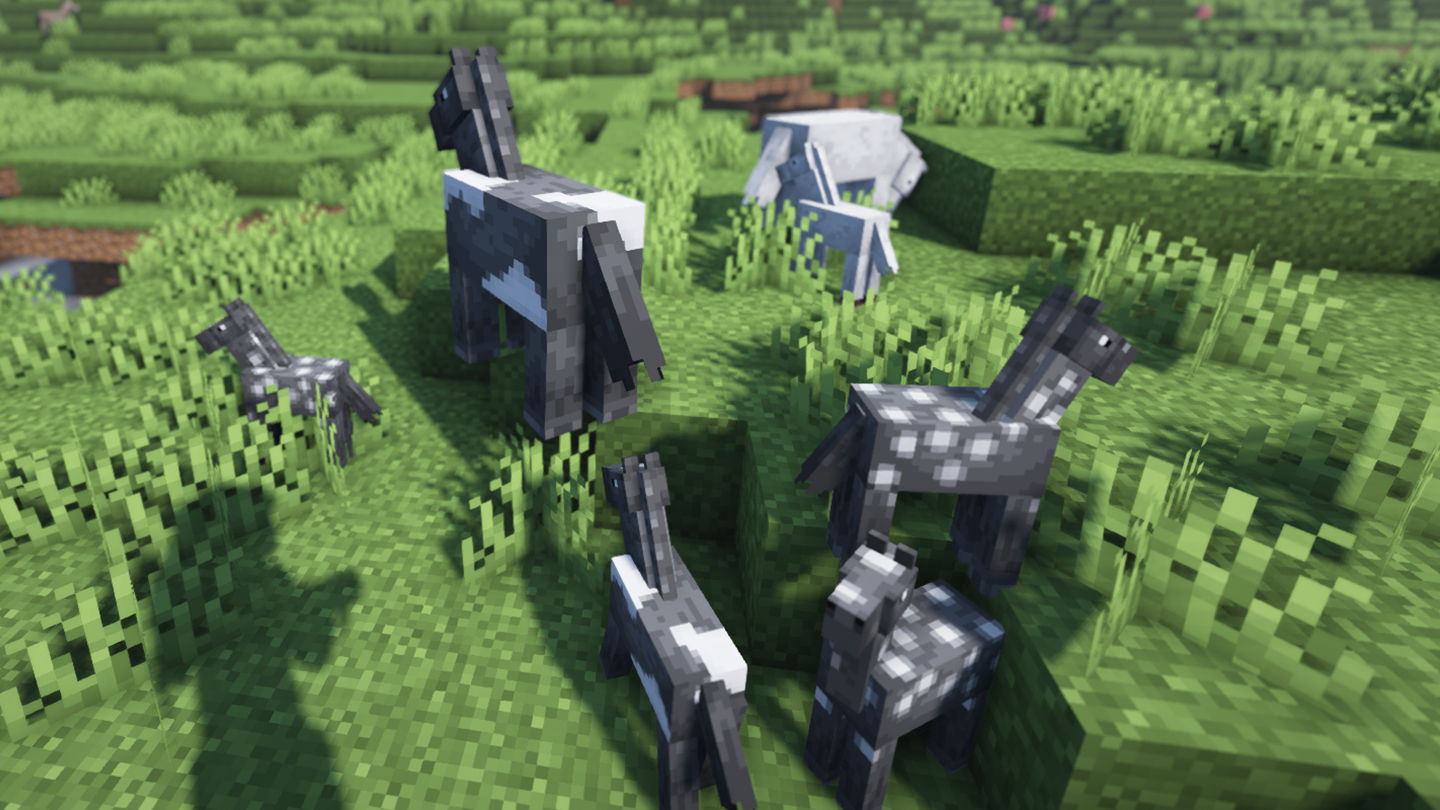
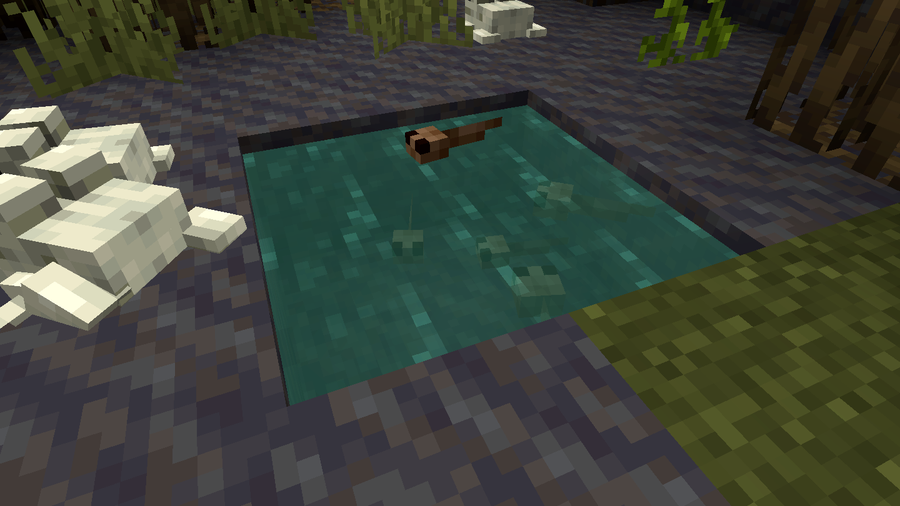
These chickens are absolutely, totally, completely fine…

By Jaredlll08

Game Versions: 1.16, 1.17

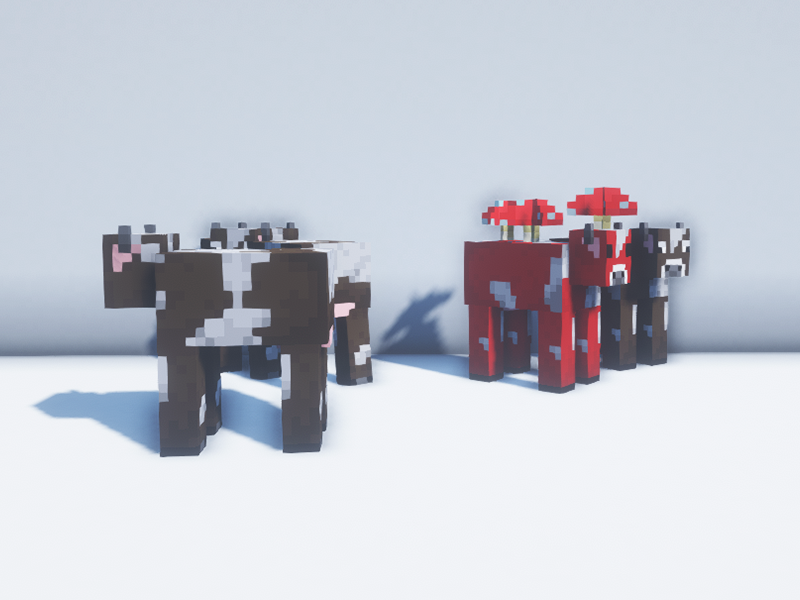
When running a server, you need to find ways to reduce lag everywhere. Experience orbs are one of the most forgotten aspects, which is why Clumps is a perfect mod for servers. It groups together XP orbs into one entity and makes the player collect them once they’re touched to help reduce lag.

8 – In Control!

By McJty

Game Versions: 1.12, 1.15, 1.16

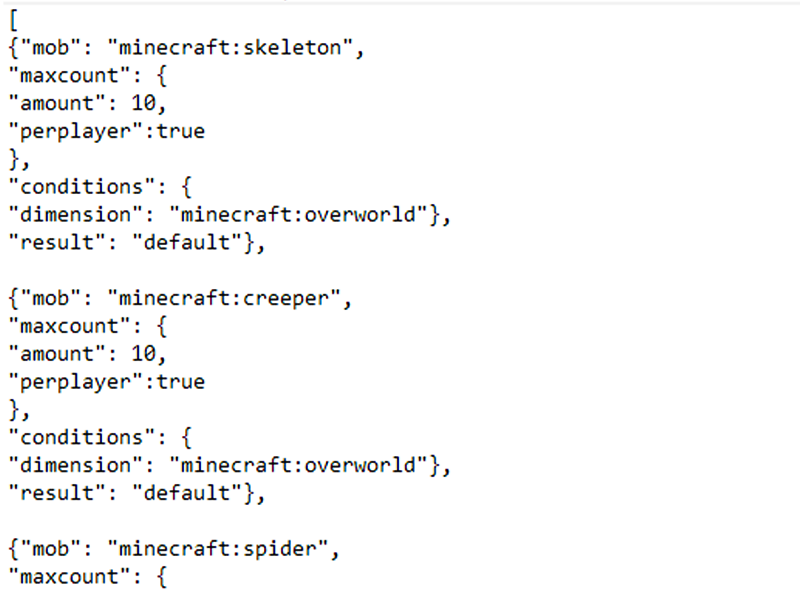
When I first started running a modded server, the biggest problem was the amount of mobs spawning around players. Even on normal mode, it was out of control. The In Control! mod makes customizing the world easy. Using the included wiki and configuration files, server owners or single players can set conditions for mob spawns and even the experience or loot dropped by mobs.

9 – Corail Tombstone

By Corail_31

Game Versions: 1.12, 1.14, 1.15, 1.16

Most servers have a lot of in-game deaths and a lack of a solution for holding items at a player’s death point. Corail Tombstone has more than just graves that hold player items and experience orbs. It also comes with a perk and magic system called Knowledge of Death. You can also customize your grave or craft graves of your own to place around your area.

10 – WorldEdit

By sk89q

Game Versions: 1.12, 1.14, 1.15, 1.16, 1.17

If there’s ever a mod that server admins need to learn, it’s WorldEdit. My entire gameplay and building has changed since learning to just the basics of WorldEdit. This is the best Minecraft map editor mod out there. Change the landscape, copy or paste blocks, import schematics, and so much more. It’s the best mod to use when wanting to build a world spawn area in a server.

11 – PackMenu

By Shadows_of_Fire

Game Versions: 1.14, 1.15, 1.16

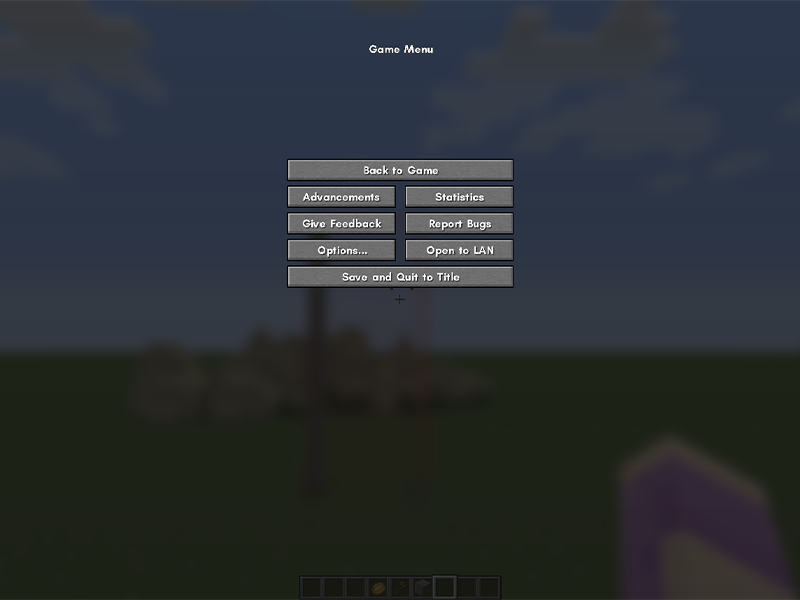
This mod is mostly for client-side, but I really wanted to include it in the list, as it enables players to change the main menu to however they see fit. For server admins, you can customize the main menu to match your server’s branding and import it into your modpack as a resource pack, so all players have the same menu!

12 – FPS Reducer

By bre2el

Game Versions: 1.12, 1.14, 1.15, 1.16

This mod helps your computer while you run Minecraft! It reduces FPS if there’s no user activity for a certain amount of time or if the game window is inactive or minimized. It also suppresses sound volume if you move to another active window and displays the current FPS on the screen for you to monitor.

13 – Blur

By tterrag1098

Game Versions: 1.12, 1.14, 1.15, 1.16

This is a UI improvement mod that I personally love. Sometimes you just need to focus in on your inventory or want a less distracting look to your recorded Minecraft content. The Blur mod adds a Gaussian blur to the background of all GUIs, plus it’s configurable to your personal preference!

14 – Simple Voice Chat

CurseForge

By henkelmax

Game Versions: 1.15, 1.16, 1.17

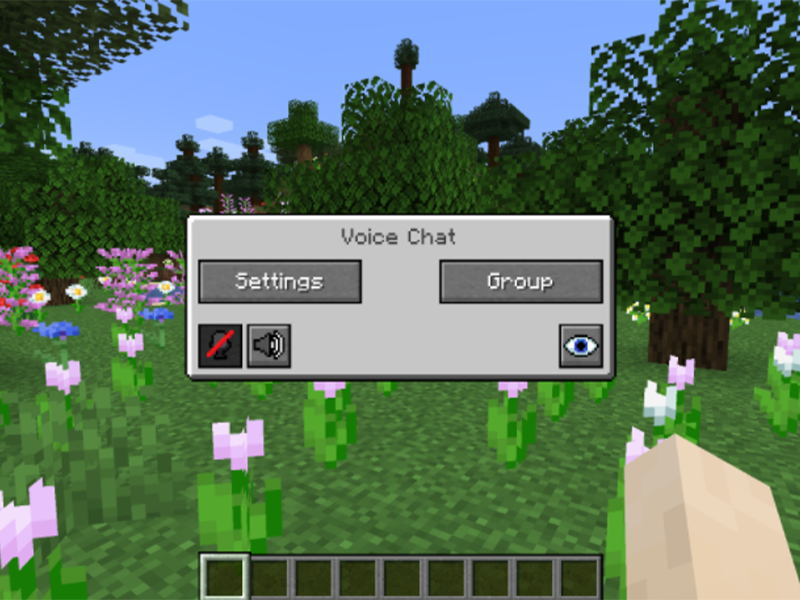
This is a must-have for servers that want to foster community as well as exploration. This adds proximity chat to the server, which can be set for push to talk or voice activation. It’s completely configurable for volume control, and you can even test your microphone with a playback feature to make sure the quality is good.

15 – Origins

By EdwinMindcraft

Game Version: 1.16

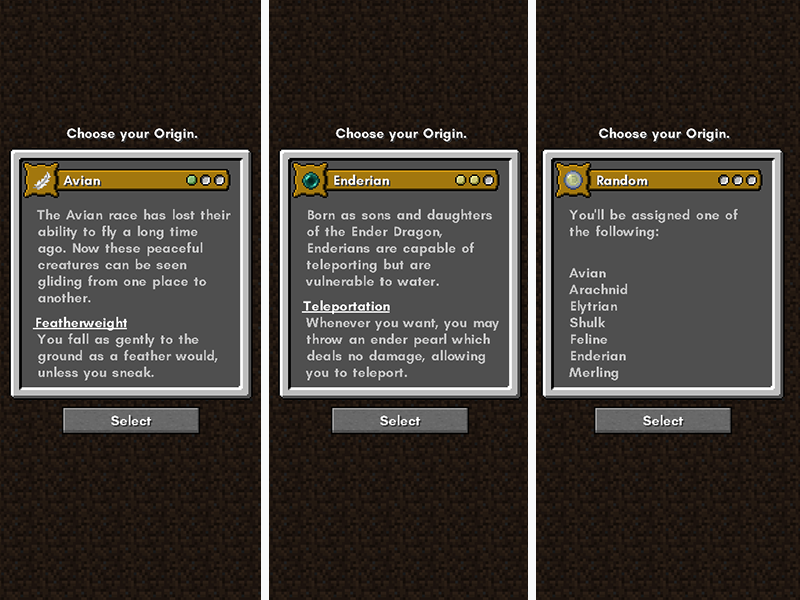
Origins enables players to choose a present origin type that have unique abilities and weaknesses that add challenge to a Minecraft playthrough. While the Forge version doesn’t have as many add-ons as the Fabric one, it’s still worth giving a try if you’re new to running an Origins SMP server.

16 – Lootr

CurseForge

By Noobanidus

Game Version: 1.16

Lootr is another essential server mod. One of the more common problems in a Minecraft server is when players find a chest only to discover it’s already been looted. This mod turns each chest into a loot chest with unique inventories for every player! No more excursions that lag the server with chunk generation or disappointment when searching for resources!

17 – Chat Heads

By dzwdz

Game Version: 1.16

This is a mod for clients that makes chat just a little more developed. It adds the player head beside their messages, which makes it much easier to tell people apart in a larger sized server.

18 – Just Player Heads

By Serilum

Game Versions: 1.12, 1.14, 1.15, 1.16

This could be a bit macabre, but this mod allows for players’ heads to drop upon death or a specified command. It’s a light mod to make things a little more interesting on a server!

19 – Just Mob Heads

By Serilum

Game Versions: 1.12, 1.14, 1.15, 1.16

Just like the one above, this mod adds a configurable chance for mobs to drop their heads upon death. This is great for survival servers where players can feel accomplished by their actions.

20 – Waystones

By BlayTheNinth

Game Versions: 1.12, 1.15, 1.16

This mod is essential for multiplayer servers where players spread out and claim areas for themselves. Waystones adds blocks for the player to return to once they’re activated. There’s also Warp Scrolls and Warp Stones, which players can have on hand to use to hop to a waystone they’ve already found. It’s very customizable for server administrators to set the cost and permissions.

NEXT UP

Top 10 Enchantments in Minecraft

howchoo   (467)
March 25, 2024

The longer you play Minecraft, the more you realize that early-game tools just won’t cut it. Exploring the enchantment feature of Minecraft can be exciting, but also intimidating. Rather than worry about researching enchantments, below are the best enchantments in Minecraft! To learn how to enchant items, check out this guide! In this guide, you’ll see

Continue Reading

howchoo

 467 guides

Introducing Howchoo, an enigmatic author whose unique pen name reflects their boundless curiosity and limitless creativity. Mysterious and multifaceted, Howchoo has emerged as a captivating storyteller, leaving readers mesmerized by the uncharted realms they craft with their words. With an insatiable appetite for knowledge and a love for exploration, Howchoo’s writing transcends conventional genres, blurring the lines between fantasy, science fiction, and the surreal. Their narratives are a kaleidoscope of ideas, weaving together intricate plots, unforgettable characters, and thought-provoking themes that challenge the boundaries of imagination.

Home Interests Minecraft

Best Food and Farming Mods for Minecraft (Fabric)

Fabric mods that add new crops, food, or farming mechanics to Minecraft!
howchoo   (467)
September 28, 2023
10 minutes

Share

Interests
Posted in these interests:

READY PLAYER 1
gaming • 85 guides
Minecraft is an epic sandbox video game developed by Swedish game developer Mojang Studios.
minecraft • 66 guides
minecraftfabric • 8 guides

In the base game, Minecraft encourages players to farm and become self-sustaining. However, it can get quite boring to keep planting the same crops over and over again. That’s where this list of Forge farming or food mods come in!
This guide will go through mods available for Minecraft Fabric that adds either new crops, food, or farming mechanics to Minecraft. While most add a multitude of new culinary treats, there is one mod below that lets you create your own custom food items. So whether you’re hosting a survival multiplayer server or you’re playing alone, you’ll find a mod that opens up your world even more!

If you’re interested in more mods for Minecraft, check out the Minecraft interest!

Note that the game versions available may change since the time of publishing. Most photos were taken using BSL Shaders and Optifine in 1.16.5.

1 – AppleSkin

By squeek502

Game Versions: 1.12, 1.14, 1.5, 1.16, 1.17

By default, hunger and saturation is hidden, but with AppleSkin that changes. The main features of this mod are the addition of food value information to tooltips and visualization of saturation, hunger, and exhaustion on the player HUD.

2 – Croptopia

CurseForge

By thethonk

Game Versions: 1.16, 1.17

If you’d like to add more farming to the world but don’t want to include a multi-file mod (see below), then try Croptopia. This mod adds over 200 new food items, plus plantable crops and trees. Paired with the Patchouli mod, your server can also have a recipe book for their culinary adventures!

3 – Mystical Agriculture: Refabricated

By AlexSa1000

Game Version: 1.16

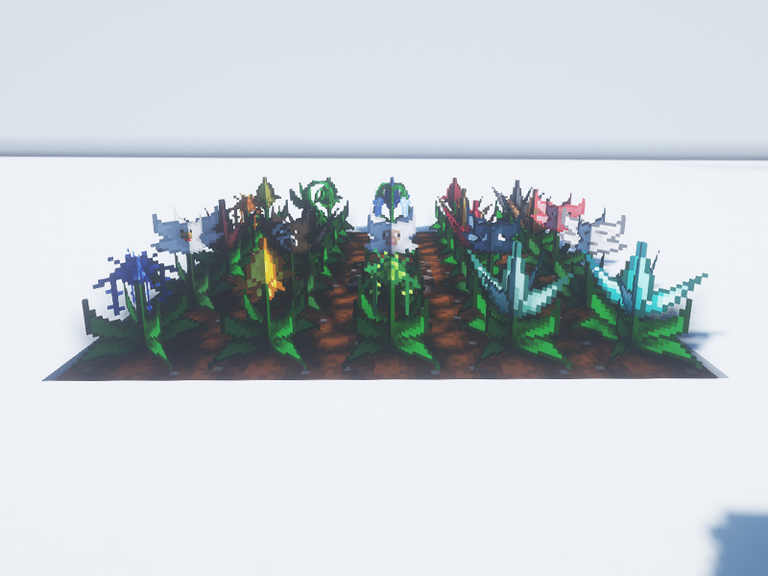
Have you ever needed a resource but just didn’t want to have to go mining for it? That’s where Mystical Agriculture comes in. Now you can just grow resources with crops! This mod adds a bunch of resource crops, tools, armor, and fun blocks to add a unique mechanic to Minecraft. It even integrates with other mods like Applied Energistics 2, Industrial Revolution, Tech Reborn, and more!

4 – Plant In A Jar

By cool_mineman

Game Versions: 1.16, 1.17

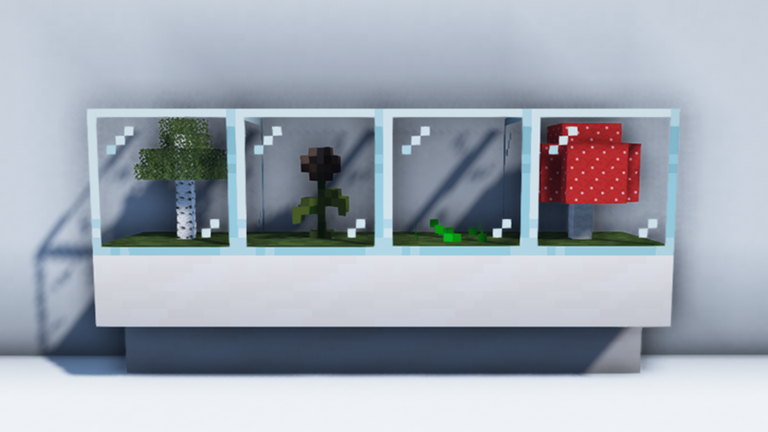
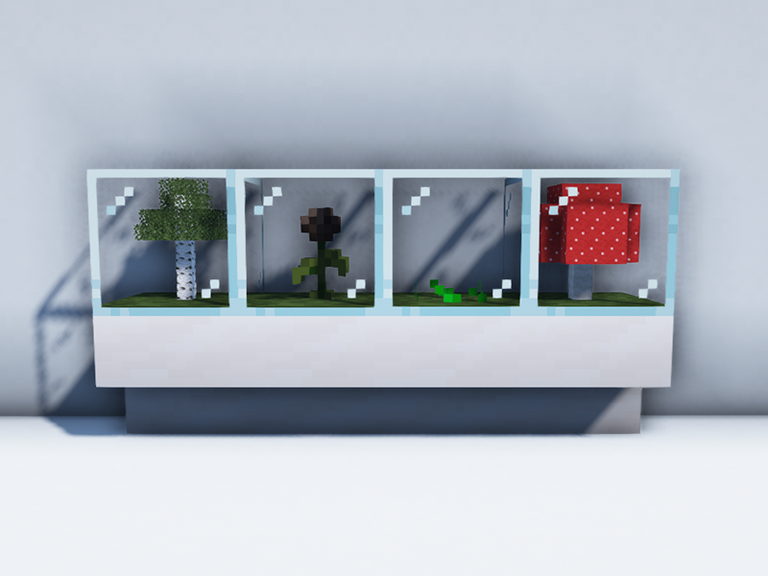
As the name implies, this mod allows you to grow any Minecraft plant inside a 1x1x1 jar. While it might not appear to have practical use, you can use them to farm for resources. Plus, it makes for fantastic decoration in a build!

5 – Sandwichable

CurseForge

By FoundationGames

Game Versions: 1.15, 1.16

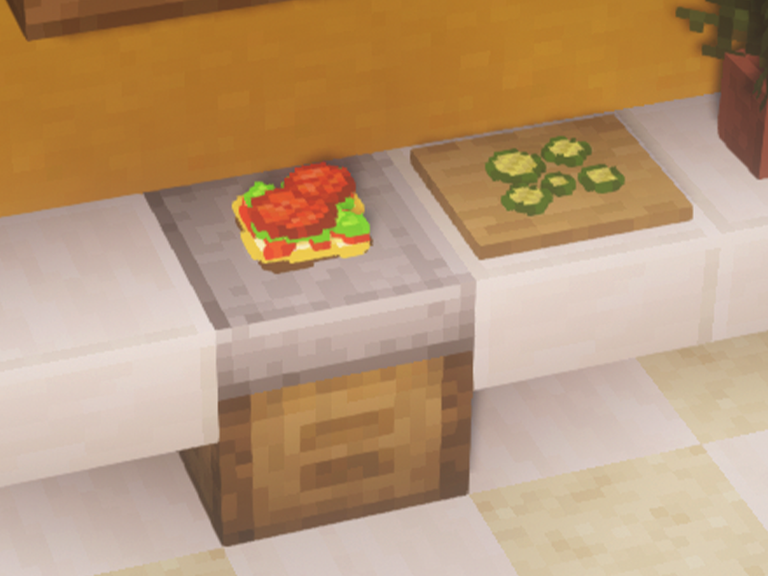
This is a mod that does more than you’d think based on the name. While, yes, you can create your own sandwiches (and make them as tall as you want), it also adds multiple new food mechanics to Minecraft. You can make cheese, use a toaster, extract salt from ocean water, and even make pickles! Sandwichable is a great mod to add to a multiplayer server or a singleplayer world!

6 – Croptosis

By LordDeatHunter

Game Versions: 1.16, 1.17

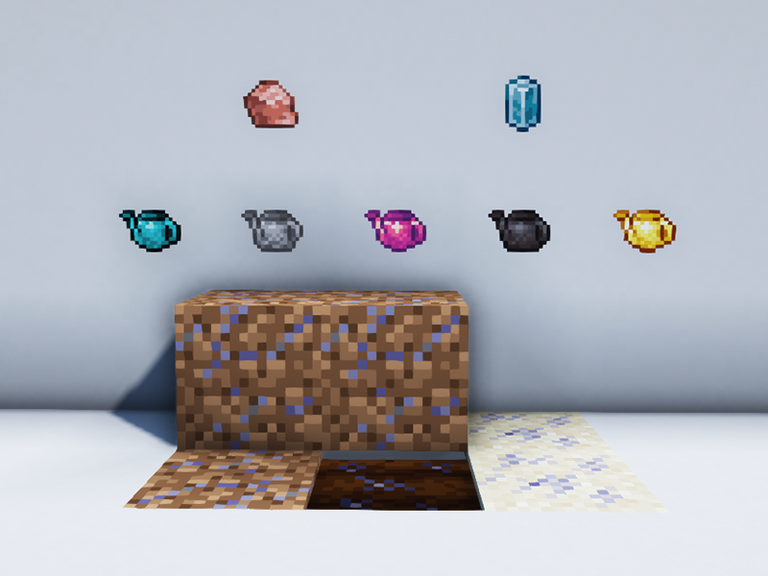
While singleplayer worlds allow players to speed up crop growth via tick speed, that’s not possible in a multiplayer world. Croptosis adds four new fertilizers and fertilized variants of dirt, farmland, and sand, that help crops grow 2x the normal rate.

7 – Farmer’s Delight

By NewHoryzon

Game Versions: 1.16, 1.17

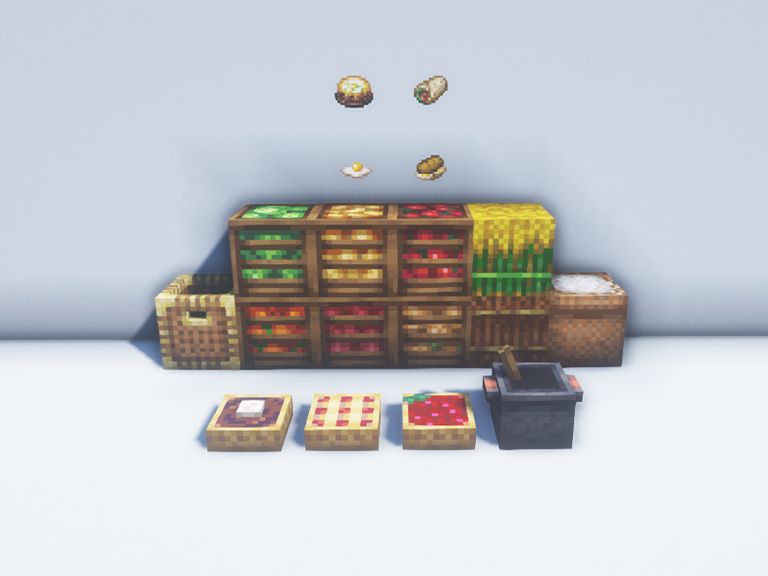
If you’re a farmer who prefers the vanilla game experience, but also crave slight variety, then Farmer’s Delight is for you. This mod expands on Minecraft’s farming and food items with the addition of more meals, a way to improve soil, and even some gear to help with adventuring!

8 – Improved Hoes

By Furgle

Game Versions: 1.12, 1.16, 1.17

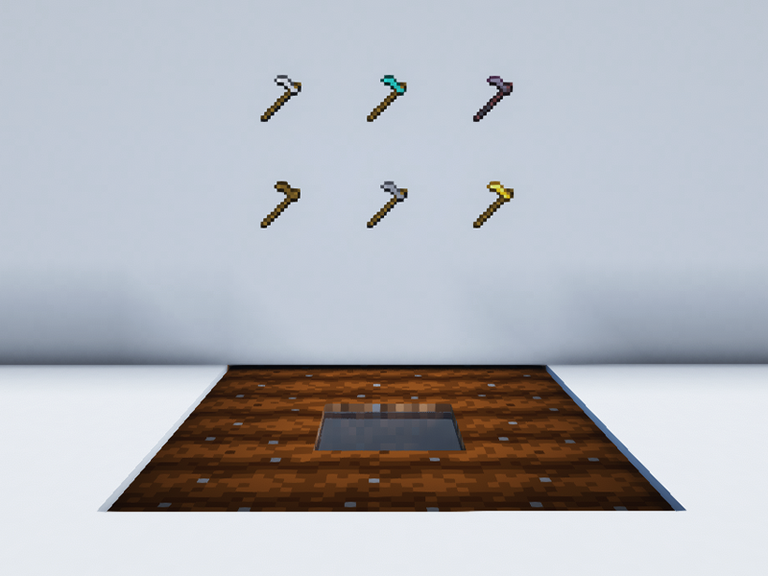
One of my biggest pet peeve with hoes is that even if you upgrade them, they don’t really do much. Improved Hoes fixes that by making farming with hoes quicker and easier. Each type of hoe has a tiered range of blocks that it can till, harvest, and (for some) replant crops!

9 – TacoCraft

By ffrannny

Game Versions: 1.15, 1.16, 1.17

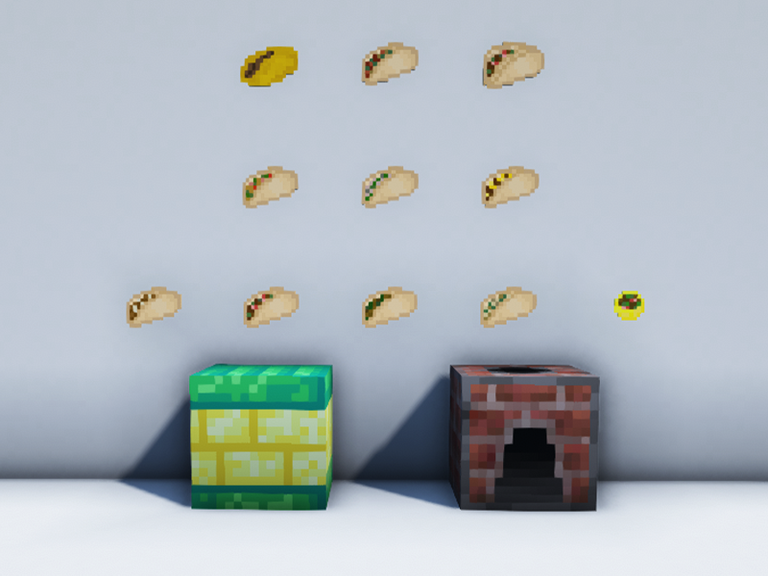
Who doesn’t love a good taco? Now you can make one inside Minecraft! With over ten variations of tacos to try and the crops to make them, TacoCraft is a great food addition to any game.

10 – Ignis Fatuus

By cool_minerman

Game Versions: 1.16, 1.17

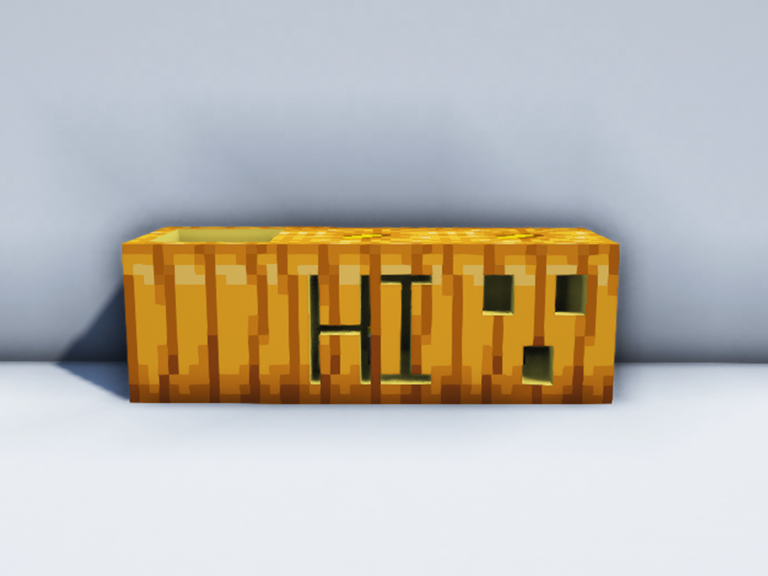
While this can’t be fully considered a farming mod, it fits the aesthetic enough to be on this list. It’s a simple-to-use mod that allows players to carve their own pumpkins into any design they can dream up!

NEXT UP

Top 10 Enchantments in Minecraft

howchoo   (467)
March 25, 2024

The longer you play Minecraft, the more you realize that early-game tools just won’t cut it. Exploring the enchantment feature of Minecraft can be exciting, but also intimidating. Rather than worry about researching enchantments, below are the best enchantments in Minecraft! To learn how to enchant items, check out this guide! In this guide, you’ll see

Continue Reading

howchoo

 467 guides

Introducing Howchoo, an enigmatic author whose unique pen name reflects their boundless curiosity and limitless creativity. Mysterious and multifaceted, Howchoo has emerged as a captivating storyteller, leaving readers mesmerized by the uncharted realms they craft with their words. With an insatiable appetite for knowledge and a love for exploration, Howchoo’s writing transcends conventional genres, blurring the lines between fantasy, science fiction, and the surreal. Their narratives are a kaleidoscope of ideas, weaving together intricate plots, unforgettable characters, and thought-provoking themes that challenge the boundaries of imagination.

Home Interests Ender 3

Creality Ender 3 Silent Mainboard Upgrade: Better Prints with Less Noise!

Make your Ender 3 quieter and improve your prints with this board upgrade.
howchoo   (467)
September 28, 2023
13 minutes

Share

You’ll Need 4

What you’ll need
Interests
Series
Howchoo is reader-supported. As an Amazon Associate, we may earn a small affiliate commission at no cost to you when you buy through our links.
Posted in these interests:
3dprinting • 36 guides
ender3 • 19 guides

If your 3D printer is located in your room, office, or some other area where you like to spend your time, the sound it makes while printing can be maddening. The “whining” and “whirring” noises generated by your 3D printer are caused by the cheap stepper motor drivers used on the stock motherboard.

In addition to reducing noise, an upgraded mainboard uses higher quality stepper motor drivers and other components, improving overall print quality.

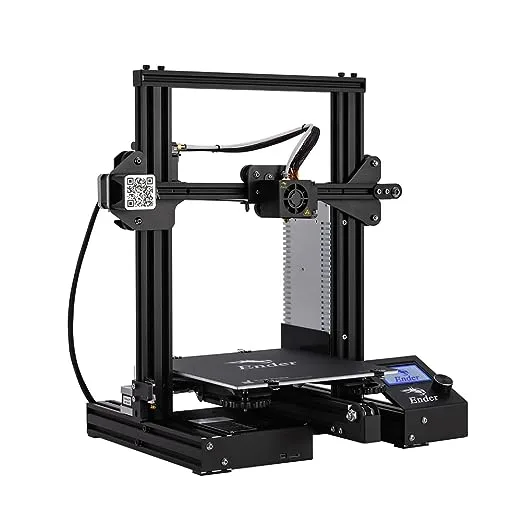
Today I’ll show you how to perform this board upgrade on your Ender 3 or Ender 3 Pro. This is one of the best Ender 3 mods for the money.

1 – Choose a board

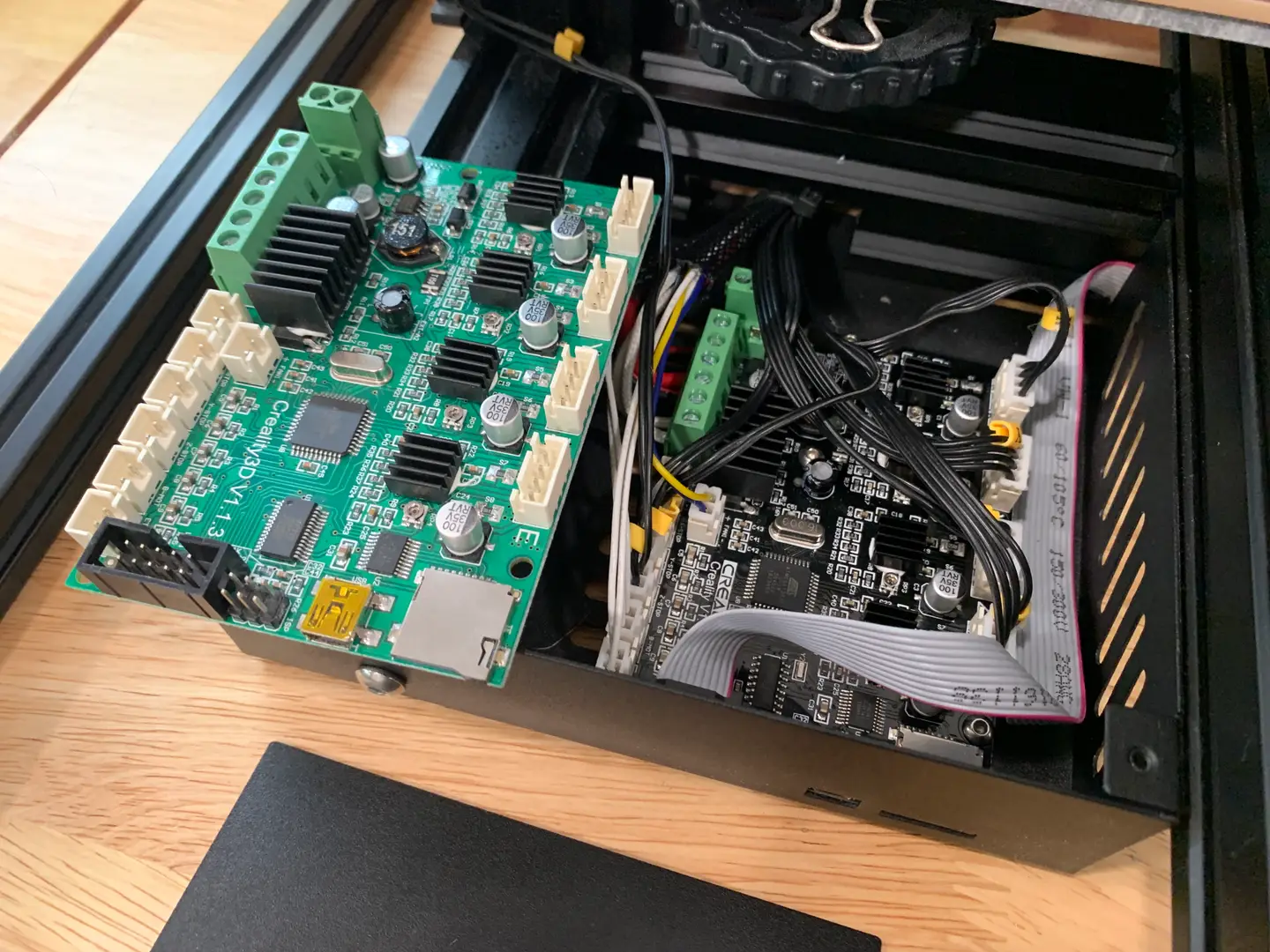
I chose the V1.1.5 upgrade board from Creality.

Before choosing an upgrade board, I took a look at both third-party boards and those created by the original manufacturer, Creality.

Creality upgrade boards

Creality offers an upgraded board for under $50 that uses TMC2208 stepper motor drivers instead, eliminating stepper motor noise.

This upgrade effectively reduces the printer’s sound output from 48dB to 36dB, with the remaining noise comes from the Ender 3’s fans, which are also easy to upgrade.

This is the board I’ll be using: the Creality Silent Mainboard (v1.1.5). I chose to go with a Creality-made board as they’re reportedly more stable and reliable.

Third-party boards

There are also numerous third-party board upgrades available for the Ender 3. A popular choice is the SKR Mini E3, which uses TMC2209 stepper motor drivers and adds 32-bit support.

Keep in mind, some third-party boards, including the Mini E3, have been reported to have issues—including input errors and power back-feeding. Therefore, third-party boards are less of a direct replacement and may require some troubleshooting. Still, if you’re up for the challenge, they’re a great upgrade option.

2 – Unplug your printer

Before starting, unplug your Ender 3 from the wall. This is for safety reasons and also to prevent shorts when swapping the board out.

3 – Remove the main board cover

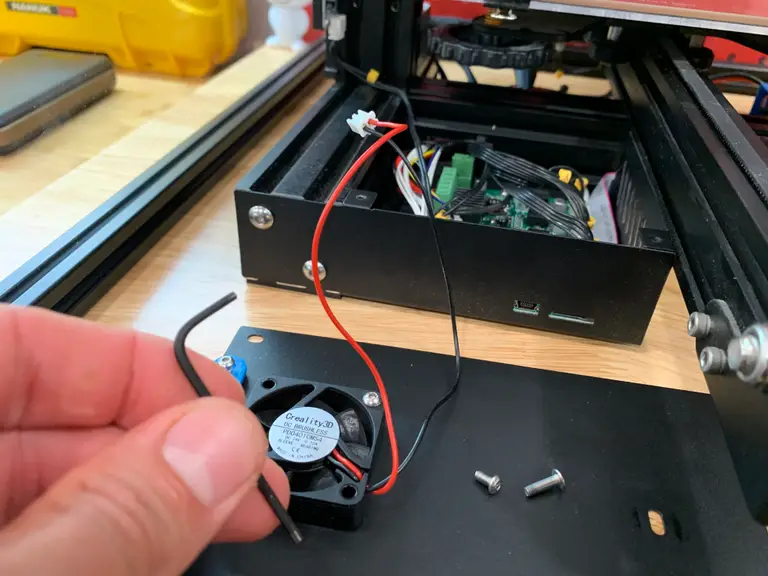
Using the M2 hex key your printer originally came with, remove the 3 screws securing the main board cover.

Then, unhook the fan connector and set the cover aside.

4 – Remove the old board screws

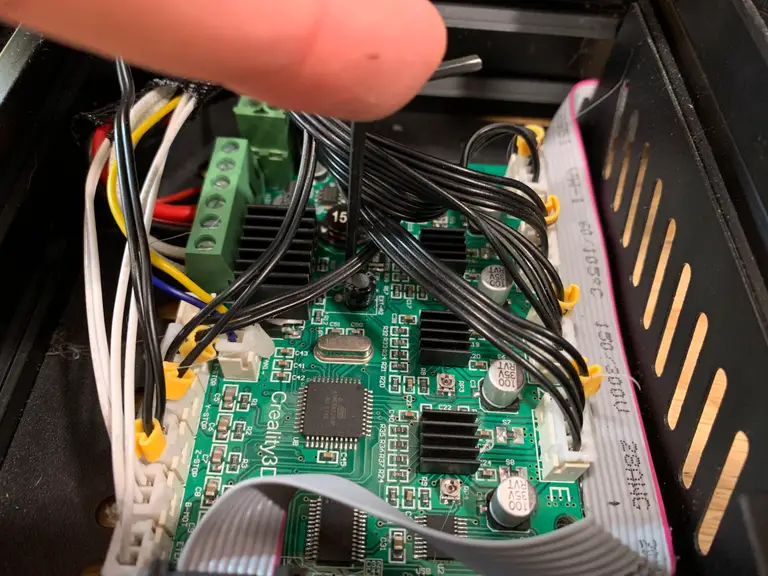
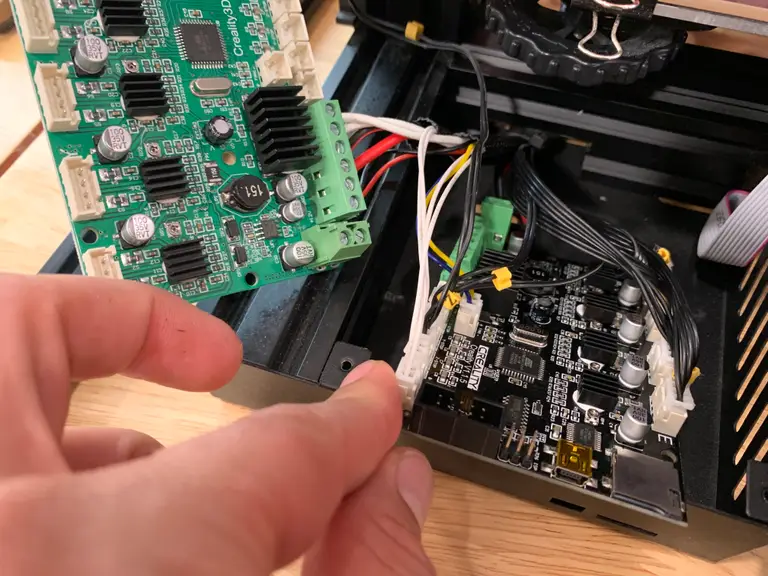
With all the wires still connected, use your M2 hex key to carefully remove the four screws securing the board to the printer chassis.

🛈 These screws are shorter than the cover screws, so don’t mix them up.

5 – Remove the hot glue

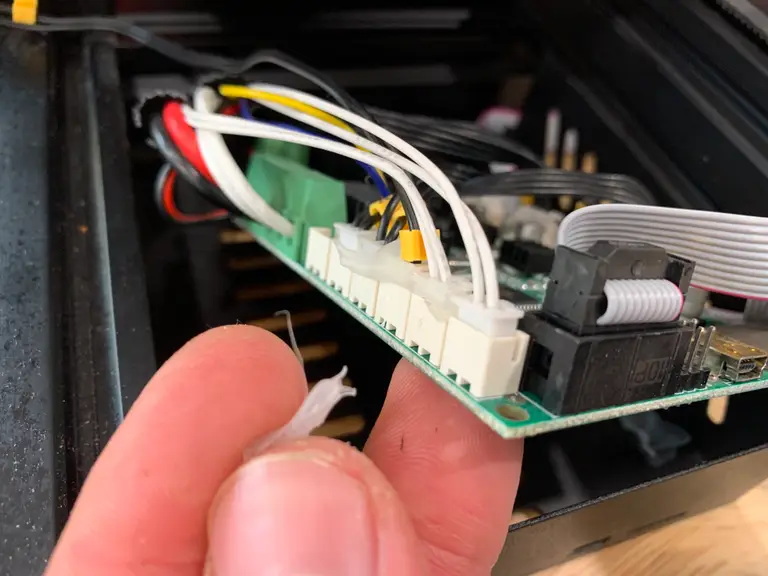
At the factory, Creality’s employees added some hot glue to each connector to prevent them from shaking loose during shipping.

Carefully remove these bits of glue using your fingers. You can also use a dot of acetone to help dissolve the glue, but don’t let it get on anything else (i.e. plastic) since acetone is a solvent for many types of plastics.

I just peeled each piece of glue off with my fingernails without using acetone.

🛈 Unless you plan on shipping your printer, you probably don’t need to add hot glue to your new connectors.

6 – Swap the wires

You’ll need to move each wire to the new board so that everything is wired exactly the same. You have two options for doing this:

Option A: Label everything

Carefully label each wire with tape and marker and draw a map of where each label goes. Pay attention to the labels printed on the PCB. Then, remove all the old wires and connect them to the new board. Take lots of photos.

Option B: Do a 1:1 swap (my approach)

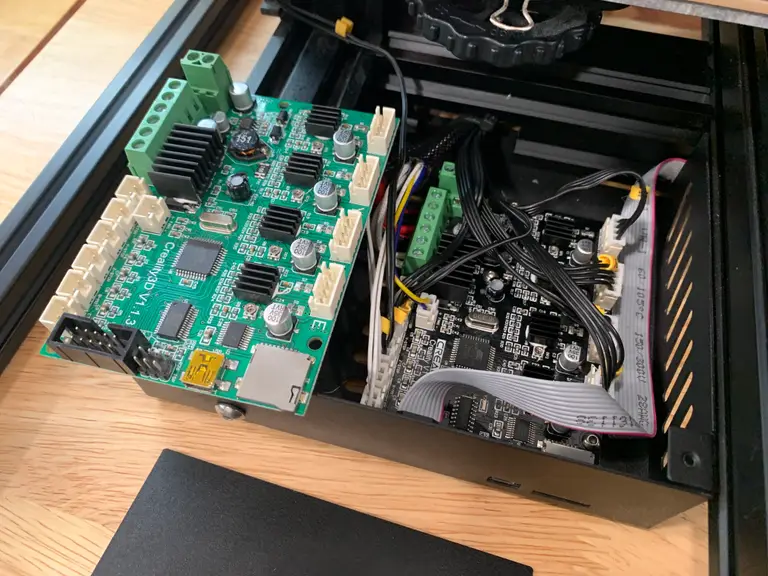
Before removing any wires, place the new board on top of the old board. Then, swap wires from the old to the new—one at a time—taking careful notice of placement. This approach can save you a lot of time if you’re vigilant. When you’re done, you can unhook individual wires to route them more cleanly.

Get to swappin’

Swap the wires from the old board to the new one using your preferred method. I used option B: swapping the wires, in place, one at a time.

In addition to swapping connectors, you’ll also need to use a small flathead screwdriver to move wires between terminal blocks. For safer and more effective conductivity, I recommend stripping and cutting the tinned solder off of each terminal block wire before reinserting it.

7 – Secure the new board

Reattach the new board using the four mounting screws. The front-left hole has no matching stud, so leave that hole empty.

If you have giant hands, this will probably be the hardest part of the project.

🛈 Protip: Use a pair of tweezers to place each screw and then secure it in place.

8 – Close the control panel and reconnect the fan

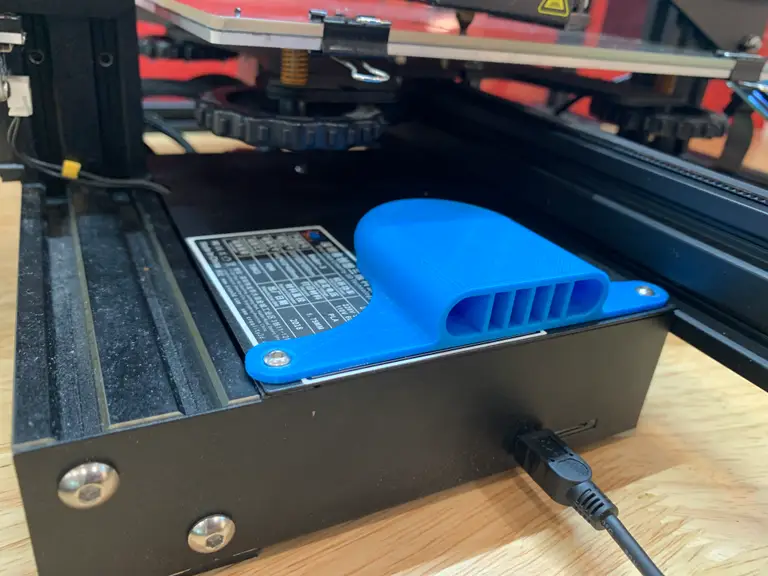
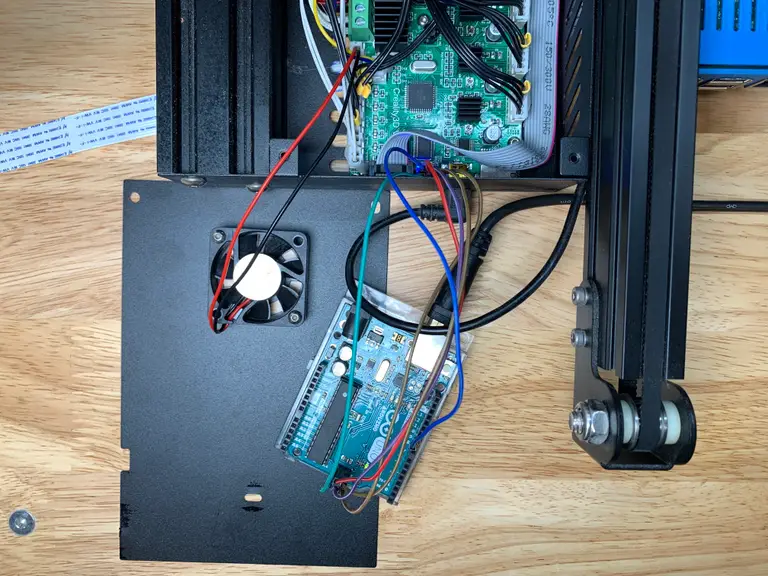
Reconnect the control panel fan to the only empty board connector.

Then, reattach the control panel cover using the three control panel cover screws. The longer screw goes in the back.

9 – Run a test print

Power on your printer and run a test print to make sure everything is running smoothly. If it isn’t, remove the cover and inspect your wiring.

10 – Next: Check and update firmware

The Ender 3’s firmware can be updated using a cheap Arduino.

This version of the board is supposed to ship with an updated Marlin firmware version (v1.1.8) that adds thermal runaway protection. You can verify this in the printer menu by selecting the About Printer menu item.

If your board shipped with an older firmware version, or if you’d like to update your firmware to the latest version (v1.1.9+), check out my Ender 3 firmware update guide!

Ender 3: How to Install a Bootloader and Update Marlin Firmware
Update your 3D printer’s firmware and add thermal runaway protection.

Spring upgrade

If you’re looking for another upgrade, I recommend upgrading your Ender 3 springs for under $10.

Ender 3 Spring Upgrade: Choosing and Installing New Bed Springs
An inexpensive upgrade that greatly reduces bed leveling frequency!

NEXT UP

How to Update Blender

Get the latest Blender has to offer.
howchoo   (467)
November 24, 2023

Blender is one of the most popular open-source 3D creation suites today. It doesn’t cost a dime to use and everything you create is yours to own for good. The community is robust and the dev team still releases new updates on the regular. If you want to get the latest version, you may have

Continue Reading

howchoo

 467 guides

Introducing Howchoo, an enigmatic author whose unique pen name reflects their boundless curiosity and limitless creativity. Mysterious and multifaceted, Howchoo has emerged as a captivating storyteller, leaving readers mesmerized by the uncharted realms they craft with their words. With an insatiable appetite for knowledge and a love for exploration, Howchoo’s writing transcends conventional genres, blurring the lines between fantasy, science fiction, and the surreal. Their narratives are a kaleidoscope of ideas, weaving together intricate plots, unforgettable characters, and thought-provoking themes that challenge the boundaries of imagination.

Home Interests Game Boy

The Ultimate Original Game Boy (DMG-01) Troubleshooting and Repair Guide

Something wrong with your Game Boy? Let’s fix it!
howchoo   (467)
September 28, 2023
15 minutes

Share

You’ll Need 1

What you’ll need
Interests
Series
Howchoo is reader-supported. As an Amazon Associate, we may earn a small affiliate commission at no cost to you when you buy through our links.
Posted in these interests:
gameboy • 8 guides
nintendo • 13 guides
retrogaming • 29 guides

Nobody wants to spend the whole day troubleshooting. Do you have a problem with your hand held?

Nintendo doesn’t offer official support anymore, so we’re stepping up with our own official Gameboy troubleshooting guide! In this guide, we’re taking a look at some of the most common issues to arise from the Nintendo Game Boy.

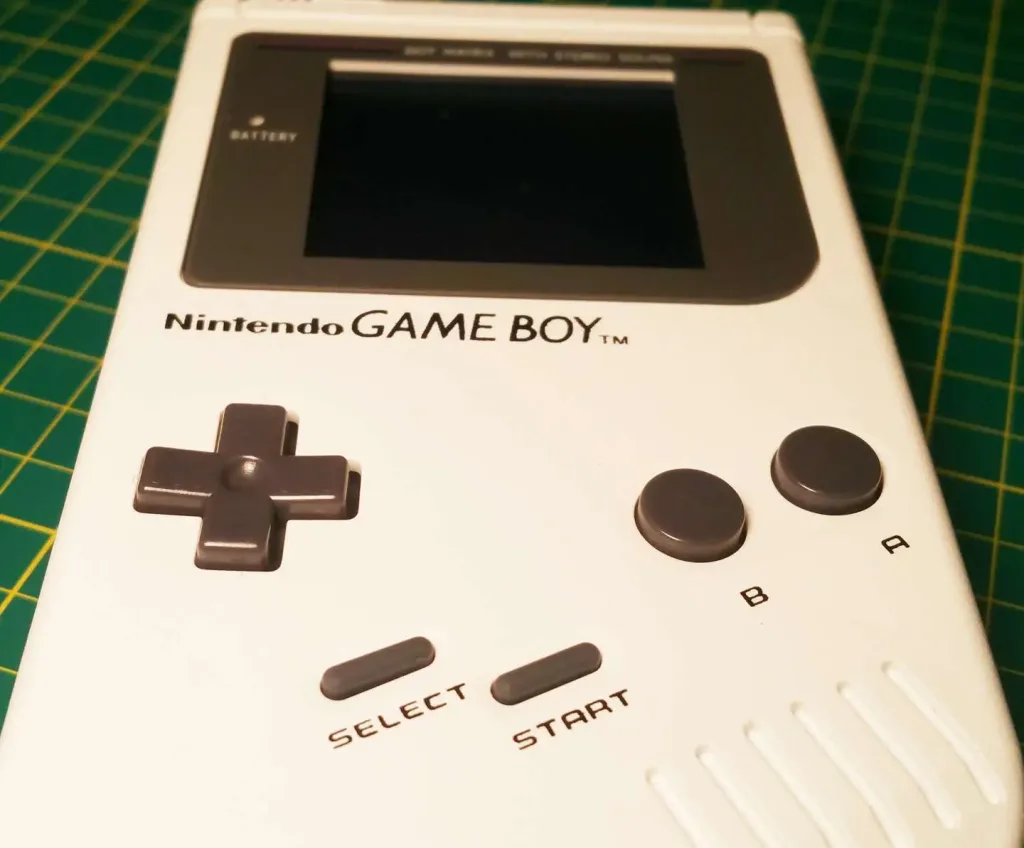
1 – Game Boy shell is damaged

How it happens

Shell damage is often caused by natural wear and tear. Game Boys were made to be mobile, so it’s common to find scrapes, scratches, dents, and much more on the outer shell.

How to fix it

The Game Boy shell can be removed to be cleaned with warm water and dish soap. If the damage is beyond something you can fix yourself, it might be necessary to replace the shell completely.

Head over to our Game Boy shell replacement guide to get started!

How to replace an original Game Boy shell
In this guide, I’ll be updating a back-lit Game Boy with a yellow Play It Loud shell.

2 – Game Boy buttons are sticky

How it happens

Another common problem with mobile devices is the inevitable build up of grime. This can cause some serious issues with moving parts and is the leading cause of sticky buttons.

How to fix it

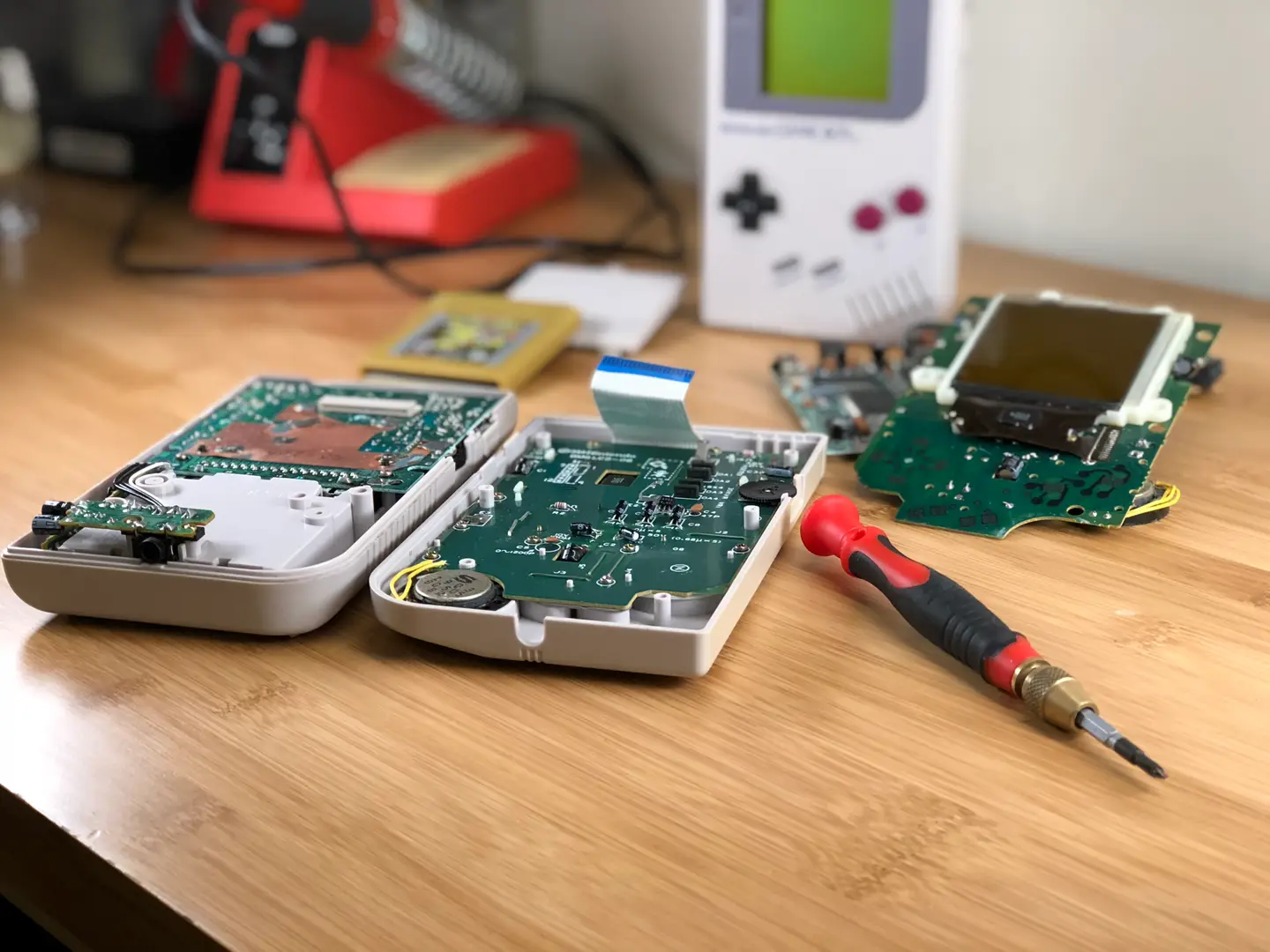
You’ll need to open the Game Boy and thoroughly clean the internal components. There are several pieces that need to be addressed, including buttons, contacts, and silicone pads. You can find more information on fixing sticky buttons on your Game Boy here.

How to Fix Sticky Game Boy Buttons
You can’t play anything like this. Let’s fix it!

3 – Game Boy is missing parts

How it happens

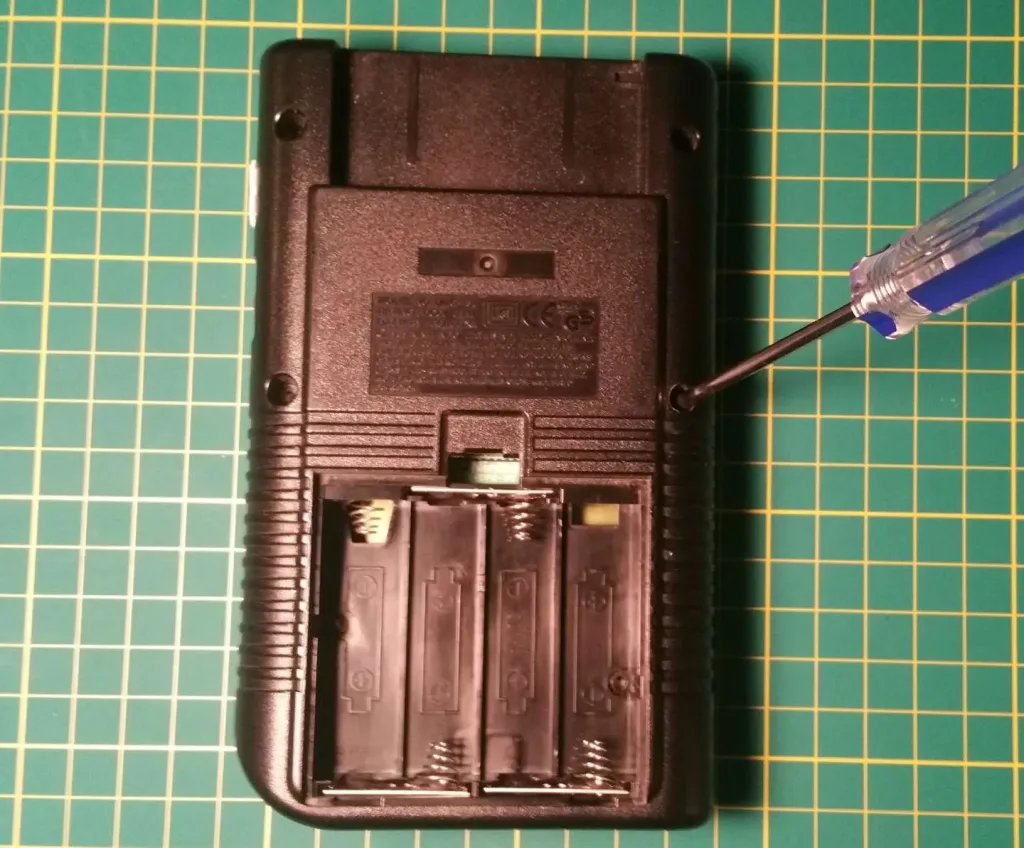
It doesn’t take much for something important to wiggle loose and completely out of sight. Some of the most common components to go missing on a Game Boy are link port covers, screws, and battery covers.

How to fix it

Official support for the Game Boy from Nintendo is no longer available. Parts must be replaced from used Game Boys or using third party reproductions. The Game Boy community is alive and well. It’s not hard to find several online retailers with custom parts, components, and shells.

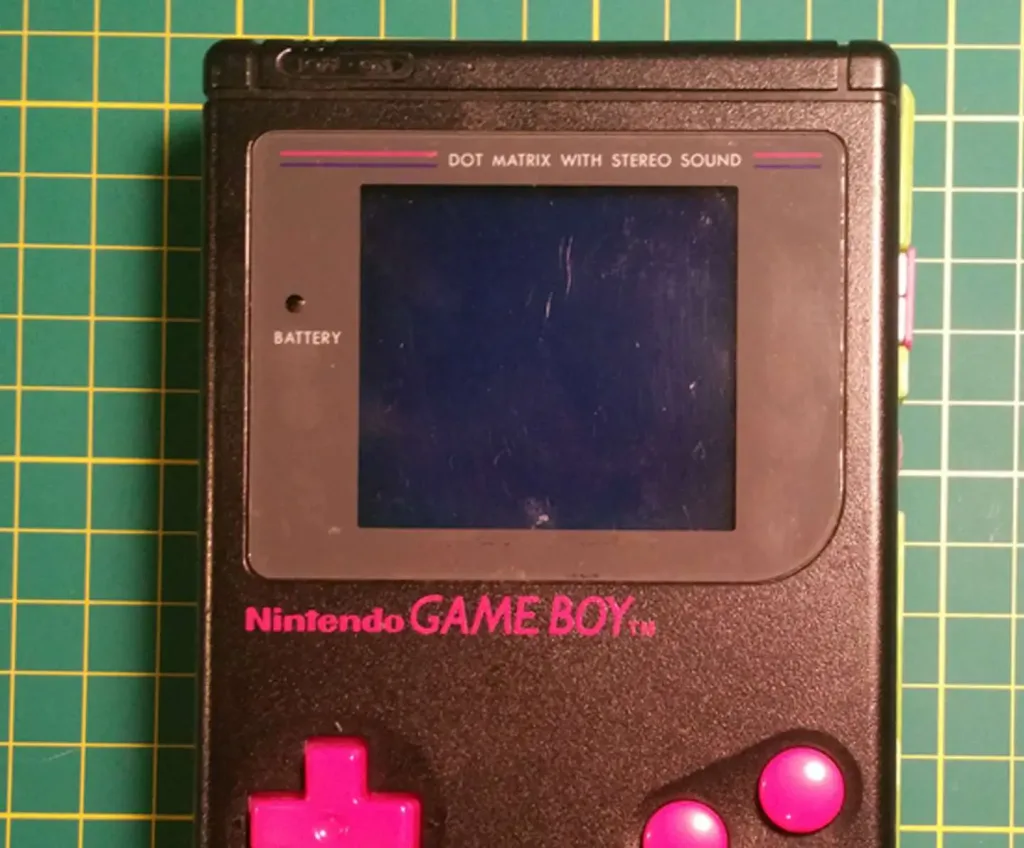
4 – Game Boy screen has scratches

How it happens

Game Boys were released with plastic bezels (the front plate covering the actual screen). This plastic is very sensitive to scuffs and scratches—especially after almost 30 years of gaming.

How to fix it

Scuffed screens can be easily replaced with aftermarket bezels. Vendors offer custom colors, designs, and even tougher materials like glass.

5 – Game Boy screen is hard to see or blurry

How it happens

Game Boy screens are already hard enough to see. Anything that makes it harder isn’t doing us any favors. But if you’re struggling to make out those pixels, it’s not the end of the world!

How to fix it

Make sure of the obvious stuff is out of the way and find yourself a good lamp. It’s impossible to make out a Game Boy display without an appropriate light source. But if lighting isn’t your issue, you may have to look a little deeper.

The Game Boy features a component not found on modern hardware. The contrast can be adjusted with a small wheel found on the side of the device. Use this to adjust the display until you find the perfect resolution.

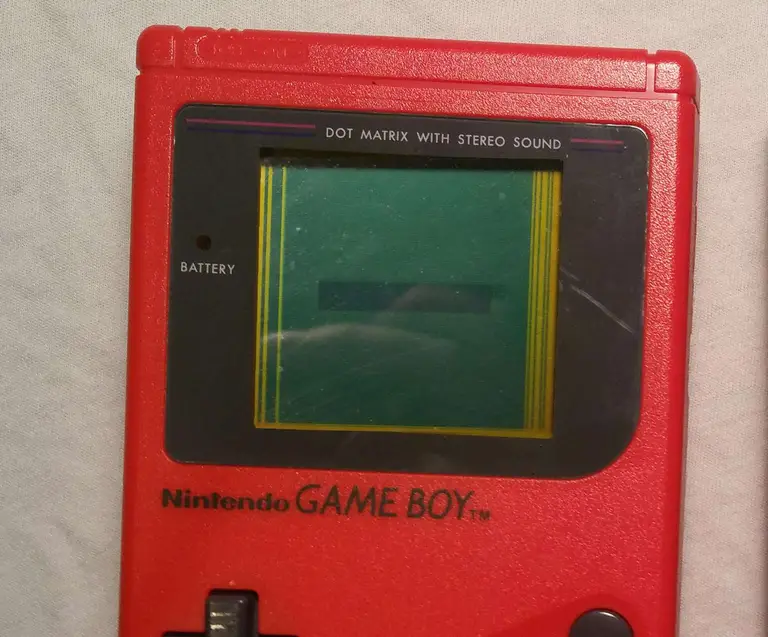
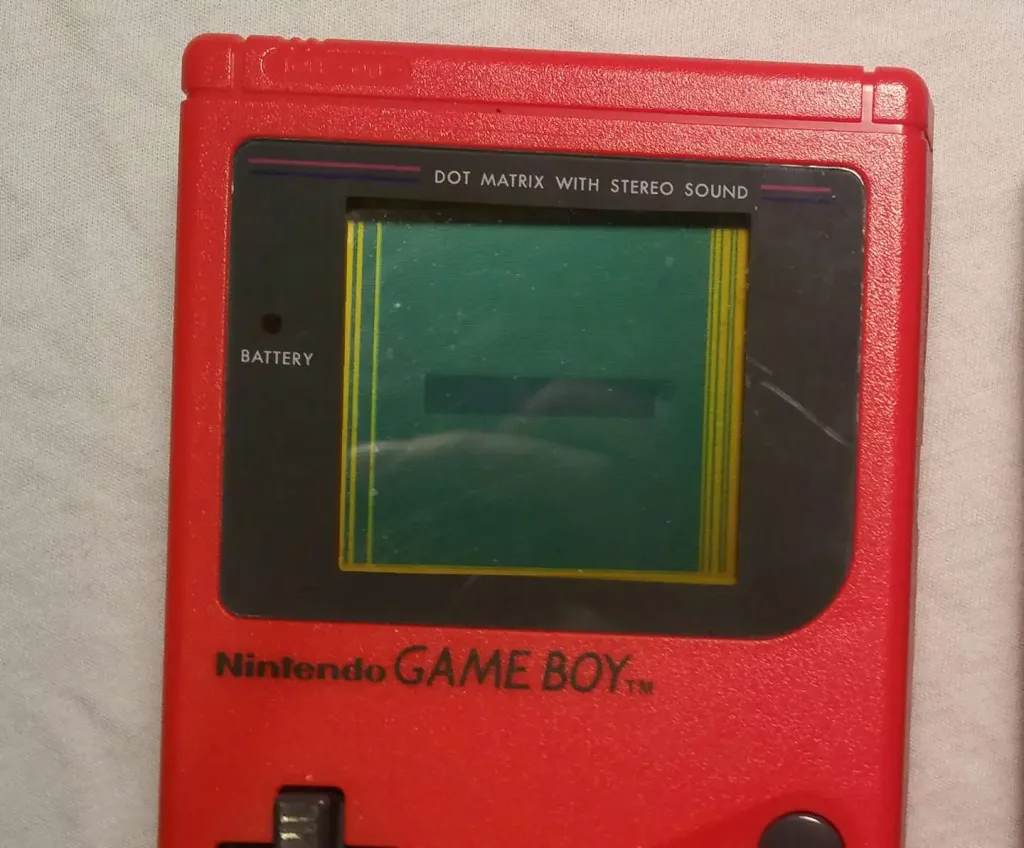
6 – Game Boy has vertical lines

How it happens

This issue is caused by micro-tears and general breakdown of the display cable wires. This ribbon cable is very delicate. As a result, it’s common to find vertical lines on the display as it breaks down.

How to fix it

The wires can be reheated using a soldering iron. This rebuilds the broken connections and allows display information to pass through again. You can find more information on how to fix Game Boy vertical screen lines here.

7 – Game Boy won’t turn on

How it happens

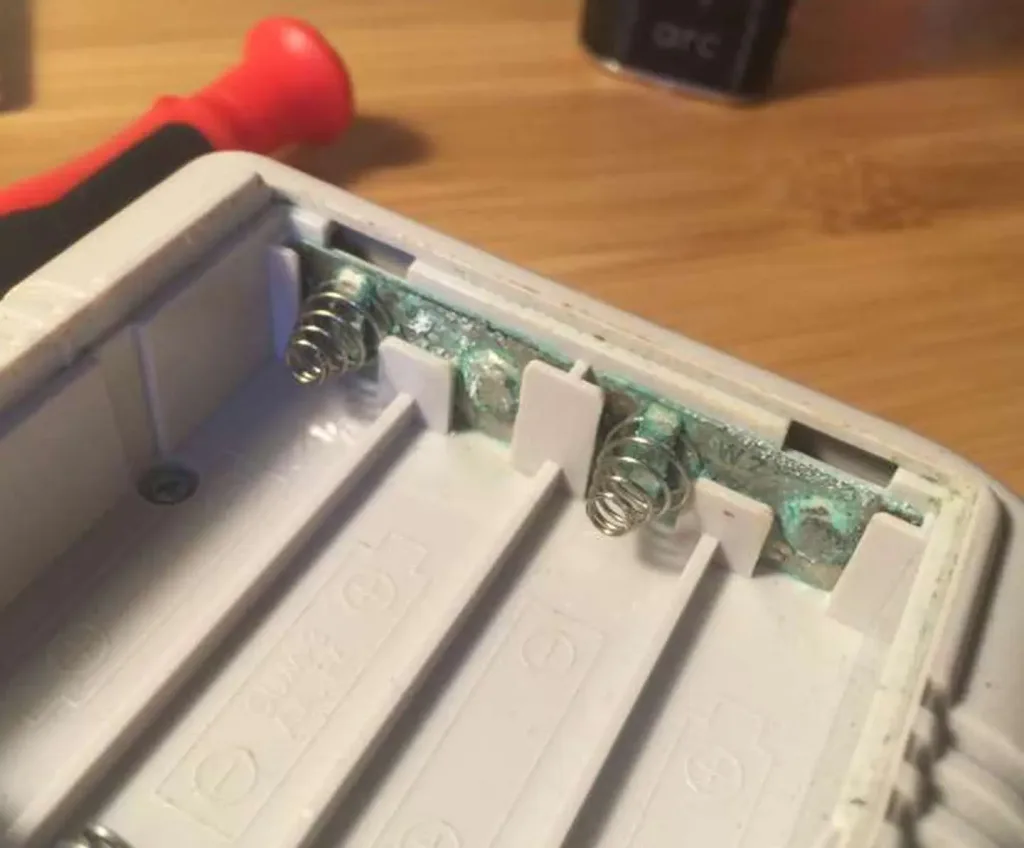
The most common reason that your Game Boy won’t turn on is due to battery corrosion damage.

This is a common issue for Game Boys that have recently been dug out of storage. Many Game Boys end up in storage with a full pack of batteries. Battery corrosion can cause a multitude of problems if it reaches the internal components.

How to fix it

Battery acid damage does not mean the end of the world for your Game Boy. Most of the time, all you need is a little patience to get the hardware restored. Follow our guide here to learn how to clean the battery contacts on your Game Boy.

8 – Game Boy has no sound

How it happens

If your Game Boy has no audio, the cause is likely due to one of these three components—the speaker, the speaker wires, or the headphone jack. Damage to any of these pieces can cause a complete lack in audio.

How to fix it

It can be tricky to identify the problem component, but each can be resolved by soldering a replacement into the Game Boy.

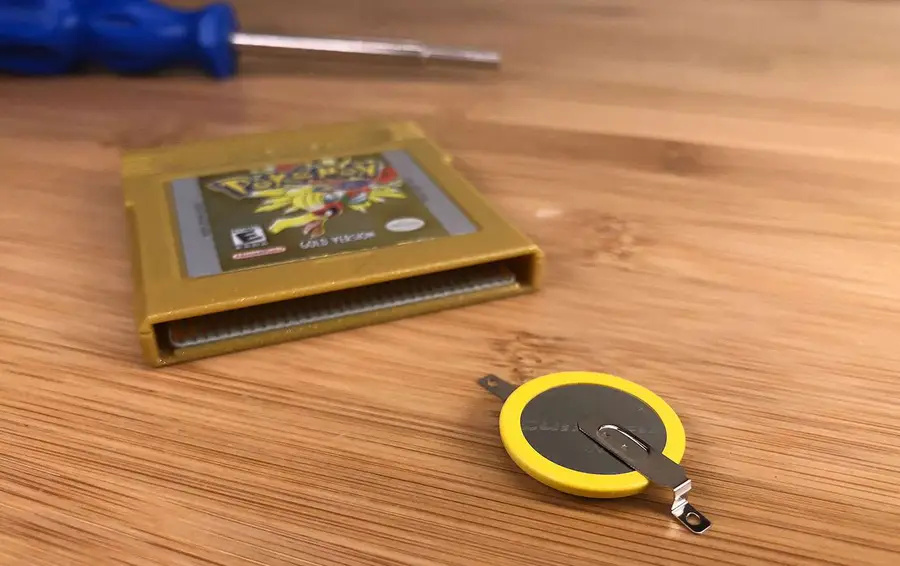
9 – Game Boy games won’t save

This is actually an issue with the game, not the Game Boy, but it’s easy to fix by replacing the battery in the game. Learn how to fix your Game Boy games that won’t save.

10 – Backlight-modded Game Boy has speaker whine

How it happens

Backlit Game Boys draw a lot of power. This draw can cause a serious strain on the components inside. If you find your backlit Game Boy extra whiny, it’s time to do something about it.

How to Install a Backlight in a Game Boy
You can play your Game Boy in the dark now!

How to fix it

The Game Boy can be upgraded with a specific capacitor to let more power through, reducing whine from the speaker. I wrote an entire guide on how to fix Game Boy speaker whine!

How to Fix Speaker Whining on a Backlit Game Boy
Was that a boop or a beep? I can’t tell—let’s just fix it!

11 – Still having issues?

If none of the fixes below worked for you, post in the comments section below and I’ll do my best to help you out!

12 – Next: Mod your Game Boy

Now that your Game Boy is up to snuff, let’s get to modding!

Ever wanted to play your Game Boy in the dark? Or install a bigger screen or new Game Boy case and buttons? Check out my ultimate Game Boy modding guide!

The Ultimate Original Game Boy Modding Guide
Game Boys are awesome. Let’s make them even better!

NEXT UP

RetroPie scrapers: what they are and how to use them

Wait, which game is this?
howchoo   (467)
September 29, 2023

You’ve put so much work into setting up RetroPie or EmulationStation. You load it up with legally obtained ROMs only to find that custom theme you installed—you remember, the one from my RetroPie themes guide—has a big blank spot for box art! The Best RetroPie Themes (And How to Install Them)You deserve some personal flair! RetroPie: Build Your

Continue Reading

howchoo

 467 guides

Introducing Howchoo, an enigmatic author whose unique pen name reflects their boundless curiosity and limitless creativity. Mysterious and multifaceted, Howchoo has emerged as a captivating storyteller, leaving readers mesmerized by the uncharted realms they craft with their words. With an insatiable appetite for knowledge and a love for exploration, Howchoo’s writing transcends conventional genres, blurring the lines between fantasy, science fiction, and the surreal. Their narratives are a kaleidoscope of ideas, weaving together intricate plots, unforgettable characters, and thought-provoking themes that challenge the boundaries of imagination.

Home Interests Minecraft

10 Best World Generation Mods for Minecraft (Forge)

Forge mods that improve the base game’s biomes or adds in new ones!
howchoo   (467)
September 28, 2023
10 minutes

Share

Interests
Posted in these interests:
READY PLAYER 1
gaming • 85 guides
Minecraft is an epic sandbox video game developed by Swedish game developer Mojang Studios.
minecraft • 66 guides
minecraftforge • 5 guides

The variety of mods available for Minecraft is just as vast as the worlds within the game itself. Most likely, any mod you could want or dream of has already been developed. As an avid Minecraft player, I’ve recently become obsessed with Forge Minecraft mods and expanding the world of Minecraft, literally.

This guide will go through mods available for Minecraft Forge that either improve the base game’s biomes or adds in new ones! If you’ve ever wanted to roam and explore new environments or dive deep into a cave, below you’ll find a mod for either. So whether you’re hosting a survival multiplayer server or you’re playing alone, you’ll find a mod that opens up your world even more!

Note that the game versions available may change since the time of publishing. Most photos were taken using BSL Shaders and Optifine in 1.16.5.

1 – Nature’s Compass

By Chaosyr

Game Versions: 1.12, 1.14, 1.15, 1.16, 1.17

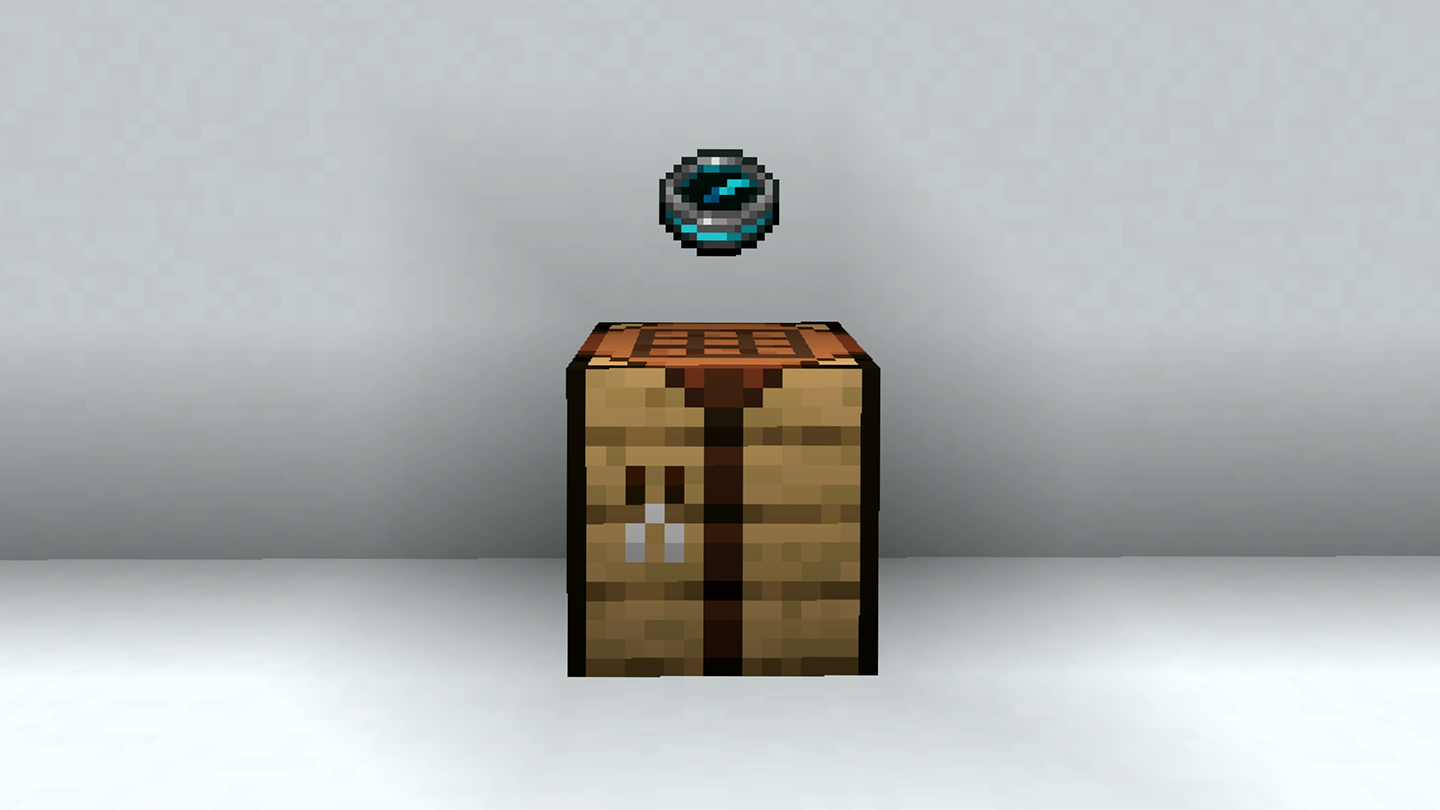
A perfect welcome gift for players! Nature’s Compass is an item that allows players to search for a biome’s location in the world. It will automatically list biomes added from other mods, so all you need to worry about is the travel time!

2 – Twilight Forest

By Benimatic

Game Versions: 1.12, 1.16

While Twilight Forest is a large mod, it is certainly worth it. This mod adds a dimension that’s focused on exploration and adventures. It’s not for casual players as it will require a lot of work to even survive, but Twilight Forest is filled with new creatures and loot to discover. It also has integration with other mods, like Tinkers’ Construct and Chisel, to provide more content.

3 – YUNG’s Better Mineshafts and Caves

By YUNGNICKYOUNG

Better Mineshafts

Game Versions: 1.12, 1.15, 1.16

If you’re bored with Minecraft’s standard mineshafts, then download this mod to your world. It expands mineshafts with tunnels, loot, abandoned workstations, and more! There are nine biome variants, including a rare mushroom mineshaft.

Better Caves

Game Versions: 1.12, 1.14, 1.15, 1.16

Much like the above mod, Better Caves overhauls Minecraft’s cave systems. It adds in lava caverns, underground lakes and rivers, flooded caverns and more! It’s perfect for those wanting more exploration in caves!

4 – Valhelsia Structures

By ValhelsiaTeam

Game Versions: 1.14, 1.15, 1.16

If you’ve ever felt like the Minecraft world felt a little empty, then add Valhelsia Structures to your modpack. It generates new structures throughout the world, like abandoned houses, dungeons, and witch huts. There are also some new decorative blocks added for builders.

5 – Oh The Biomes You’ll Go

By AOCAWOL

Game Versions: 1.12, 1.15, 1.16

This is my new favorite biome mod to add to a survival world because it adds over 80 biomes that each are unique. They’re not just in the Overworld either! This mod adds new biomes to discover in both the Nether and End! It comes with over 40 trees, 28 wood types, and 200 new blocks and items. It’s a great mod if you’re tired of seeing the same places over and over again.

6 – Repurposed Structures

By telepathicgrunt

Game Versions: 1.15, 1.16

This mod takes vanilla Minecraft structures and makes them better! By adding biome variants or just new versions of structures, each building feels like it belongs in the world instead of standing out. It’s perfect for any servers that wants the players to explore.

7 – BetterEnd

By Beethoven92

Game Version: 1.16

The BetterEnd mod fills up the void that is the End dimension. It adds a bunch of new blocks, items, and game mechanics. Biomes include crystal mountains, chorus forest, sulphur springs, and more! It’s also compatible with a handful of other mods, even ones that add other End biomes!

8 – Biomes O’ Plenty

By Forstride

Game Versions: 1.12, 1.14, 1.15, 1.16

Another well-known mod is Biomes O’ Plenty which adds a multitude of new biomes to your Minecraft world. Each biome comes with unique plants, trees, and building blocks, and it integrates with other mods on this list as well!

9 – Gaia Dimension

By Squiggly_Androsa

Game Versions: 1.12, 1.14, 1.15, 1.16

One of the best dimension mods out there, Gaia is a realm filled with crystals and magic. There are a handful of unique biomes, cave dungeons, towers, and special mobs to interact with. It’s a great addition for servers with many people who like to mine and explore!

10 – Stoneholm, Underground Villages

By TheGrimsey

Game Version: 1.16

With this mod, you’ll discover underground settlements of villagers that are filled with loot and resources to gain. Each village has multiple rooms and floors, with abandoned sections for players to explore.

NEXT UP

Top 10 Enchantments in Minecraft

howchoo   (467)
March 25, 2024

The longer you play Minecraft, the more you realize that early-game tools just won’t cut it. Exploring the enchantment feature of Minecraft can be exciting, but also intimidating. Rather than worry about researching enchantments, below are the best enchantments in Minecraft! To learn how to enchant items, check out this guide! In this guide, you’ll see

Continue Reading

howchoo

 467 guides

Introducing Howchoo, an enigmatic author whose unique pen name reflects their boundless curiosity and limitless creativity. Mysterious and multifaceted, Howchoo has emerged as a captivating storyteller, leaving readers mesmerized by the uncharted realms they craft with their words. With an insatiable appetite for knowledge and a love for exploration, Howchoo’s writing transcends conventional genres, blurring the lines between fantasy, science fiction, and the surreal. Their narratives are a kaleidoscope of ideas, weaving together intricate plots, unforgettable characters, and thought-provoking themes that challenge the boundaries of imagination.

Home Interests 3D Printing

3D Printer Glass Beds: Why You Should Be Printing on Glass

How to choose, install, and use a glass bed with your printer.
howchoo   (467)
September 28, 2023
25 minutes

Share

You’ll Need 2

What you’ll need
Interests
Howchoo is reader-supported. As an Amazon Associate, we may earn a small affiliate commission at no cost to you when you buy through our links.
Posted in these interests:
3dprinting • 36 guides
ender3 • 19 guides

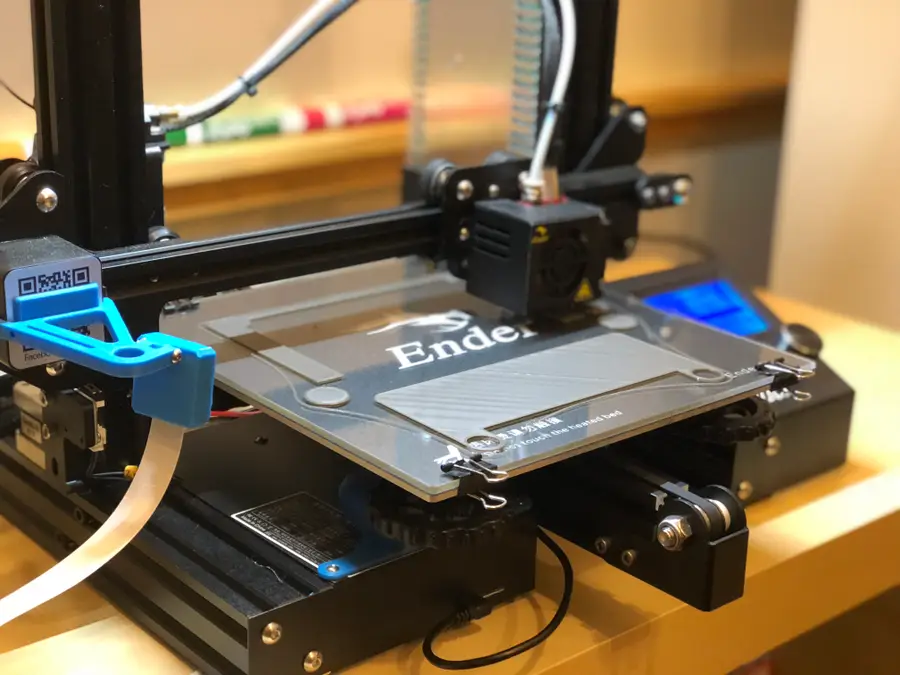
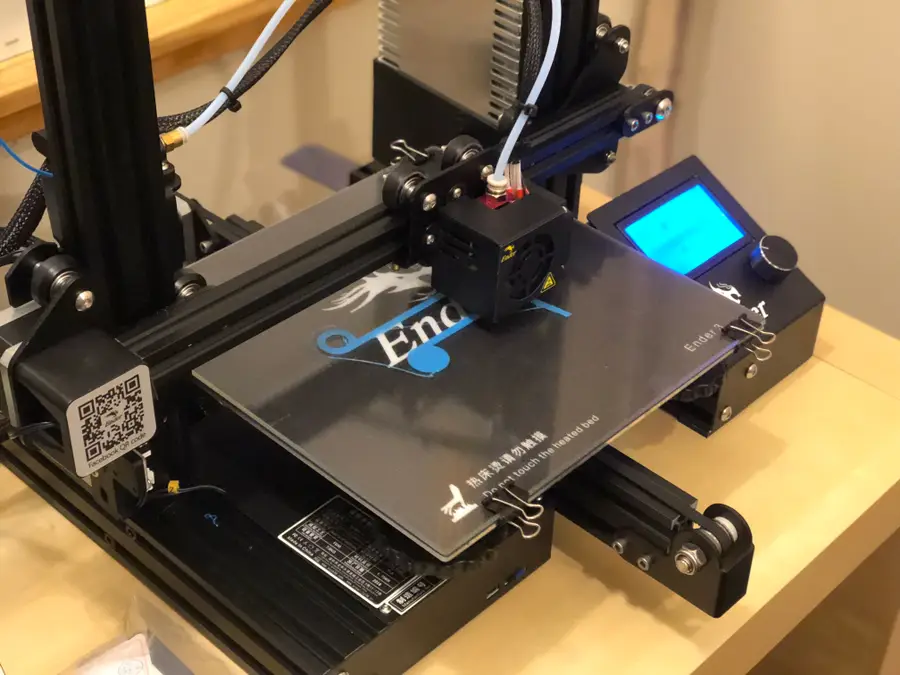
There are a lot of different 3D printing surfaces out there — metal, BuildTak, painter’s tape, glass, and more. But for most 3D printers, glass is the ultimate printing surface.

In this guide, I’ll explain reasons why you should print on a glass bed, whether or not your printer can use one, where you can find one, and the differences between various types of glass.

Chances are your printer didn’t come with a glass bed; no matter, it’s easy and inexpensive to add one to your setup.

1 – Reason #1: Glass is supremely flat

Your printer’s build plate is not flat. It’s probably made from aluminum and, even when new, is slightly bowed toward the center or edges. This is just the nature of thin, machined, often mediocre-quality aluminum.

Why is this important?

Print quality is all about tolerances. Well, it’s about a lot of other things too, but tolerances and precision are really important. When your 3D printer is laying layer after layer of filament to form your print, it’s very helpful if the distance between the extruder and bed is identical for the entire layer, right?

Imagine you’re printing a large cube. If the bed isn’t flat, the center of the cube doesn’t exist on the same exact plane as its edges. Thus, you end up with an imperfect print with poor layer adhesion and quality.

Lastly, repeated print and bed heat cycles can warp your aluminum build plate further.

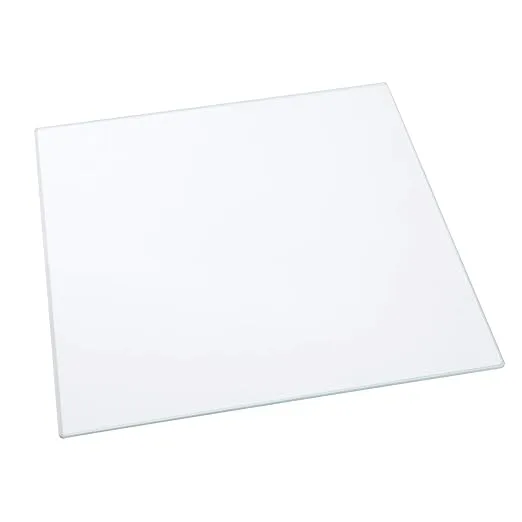
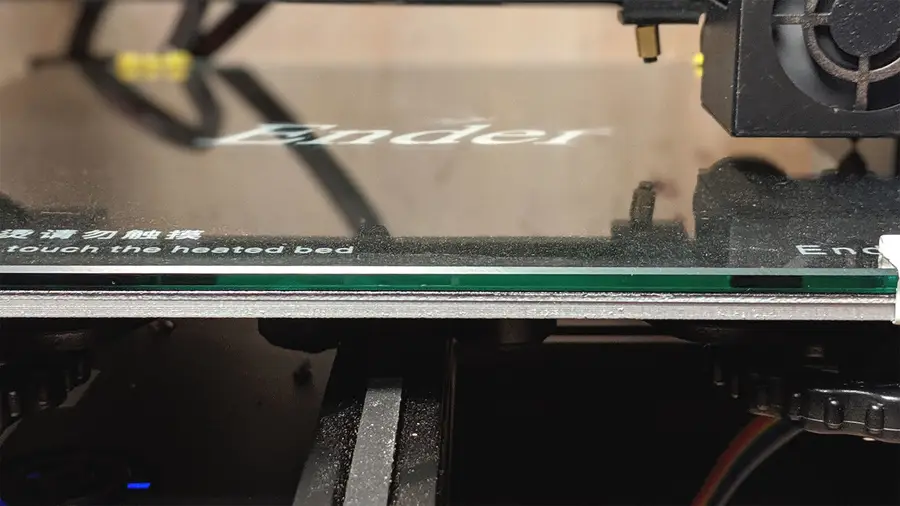
A high quality glass bed is supremely flat, hard, and rigid

Go with glass. Glass will always remain flat and smooth, will always love you, will never give you up, and will never let you down.

🛈 Nor will it run around and desert you.

2 – Reason #2: Glass beds save on prep time

If you’ve ever spent time removing painter’s tape or replacing a BuildTak-like surface while hating your life, then you know the pain. With a proper glass bed, cleaning takes about 30 seconds and applying a new layer of adhesion material takes seconds (more on this later).

No more replacing things or running out of materials between prints. The time you save really adds up.

3 – Reason #3: Glass is easy to clean

File this under “reduced prep time”. Cleaning a glass bed takes less than a minute and isn’t always necessary between prints.

Later on in this guide, I’ll teach you how to clean your glass bed properly. For now, know that glass is very easy to clean of dust, adhesion material, and stray filament remnants.

4 – Reason #4: Glass beds give your prints a smooth, shiny surface 

If you’ve ever seen a print online that has a supremely shiny, flat surface, it was probably printed on a glass bed. The super smooth nature of the glass itself leads to shiny, smooth, ultra flat prints without added texture.

5 – Reason #5: Glass beds are an inexpensive upgrade

In terms of non-printable upgrades, glass beds offer a lot of bang for your buck. Depending on your bed size, a quality borosilicate glass bed can be had for $12-30. I picked up my Ender 3 glass bed for under $20 on Amazon. This is a small price to pay for such an impactful upgrade that saves time and improves the quality of your prints.

6 – Reason #6: Effortless print removal

After your print and the glass bed have cooled, removing the print is a breeze. Sometimes the print will “pop” right off the bed; other times, you can simply pull it off with your fingers. No more tireless scraping, saving you time and effort while reducing the risk of damaging the print upon removal.

🛈 If you do need to use a scraping tool on your glass bed, try to use a plastic one so as not to scratch the bed.

7 – Glass bed types (choose borosilicate)

There are several types of glass that you can use for your bed — and several types of glass in general. Let’s start there:

Types of glass

Not all glass is created equally. There are 3 main types of glass. Windows, glass jars, and lab equipment all use different types of glass with different properties.

Glass TypeThermal Shock Resistance*Chemical ResistanceApplications
Soda-lime silicateLowAverageFood and beverage containers, windows, lamp envelopes
PhosphatesLowLow, except for hydrofluoric acidBone scaffolds, optical fibers, heat absorbers
BorosilicateAverage-HighHighIndustrial equipment, exterior lighting, laboratory and kitchen glassware

*Thermal shock resistance

Thermal shock resistance is an important property to consider when choosing a glass for your bed. It is essentially the ability of a solid to withstand sudden changes in temperature during heating or cooling.

Your glass bed will rapidly cool or heat when your heated bed is activated, when the extruder comes into close contact with the print surface, or when a print finishes in a cold environment. Therefore, it’s important that your bed not explode with sudden temperature changes.

Additionally, cheap glass like soda-lime silicate can contain bubbles; when this glass is heated, the air in these bubbles can expand and shatter the glass.

Go with borosilicate

Borosilicate glass is the same type used in labs for beakers and other neat labware. There’s a reason scientists choose this type of glass: it’s highly resistant to temperature changes and chemicals. It’s consistently smooth and flat and doesn’t contain bubbles that can cause the glass to fracture or explode while heating.

You probably shouldn’t have Home Depot cut your bed for you

Some people have cut inexpensive soda-lime silicate glass panes or IKEA mirrors to size for use on their printer and have experienced success for some time with them; this doesn’t mean that they’re safe to use, nor does it mean that they will last a long time.

tl;dr; Use borosilicate glass. A proper borosilicate glass bed is very inexpensive (more on that later).

🛈 Exploding glass beds are bad.

8 – How to get good print adhesion on a glass bed

There are a few ways to make sure your prints stick nicely to your glass bed: the magic formula is heat and hair spray or heat and glue.

Heat

A heated bed is key to printing on glass. While it is possible to use a glass bed on an unheated printer, I wouldn’t recommend it. You’re going to run into issues with adhesion.

Hair spray

Hair spray is a tried-and-true method for getting good bed adhesion. Simply spray a light, even coat across the entire thing — similar to how you would with spray paint. I recommend removing the bed before doing this so you don’t cover your printer in sticky hair spray. Let it dry for a few minutes until it has a hazy appearance to it.

Any hair spray will do. At some point, Aqua Net became the de facto 3D printing hairspray. I have no idea why, except that it’s usually the cheapest hair spray available at your local pharmacy or grocery store. A single can will probably outlast your printer.

Glue sticks

Grab a normal glue stick and rub it on your bed, coating it evenly. You can add a bit of water and smear it around for a more even coat. I don’t generally use glue sticks because they’re messy and hair spray has always worked out fine for me, but some people do prefer them.

Commercial adhesion products

Commercial bed adhesion products also exist, but I’ve never found the extra cost to be necessary. Much of the time, they seem like a repackaged hair spray or glue stick with less scent and a larger price tag.

9 – How to hold the glass bed in place

There are a few ways to securely attach a glass bed to your printer:

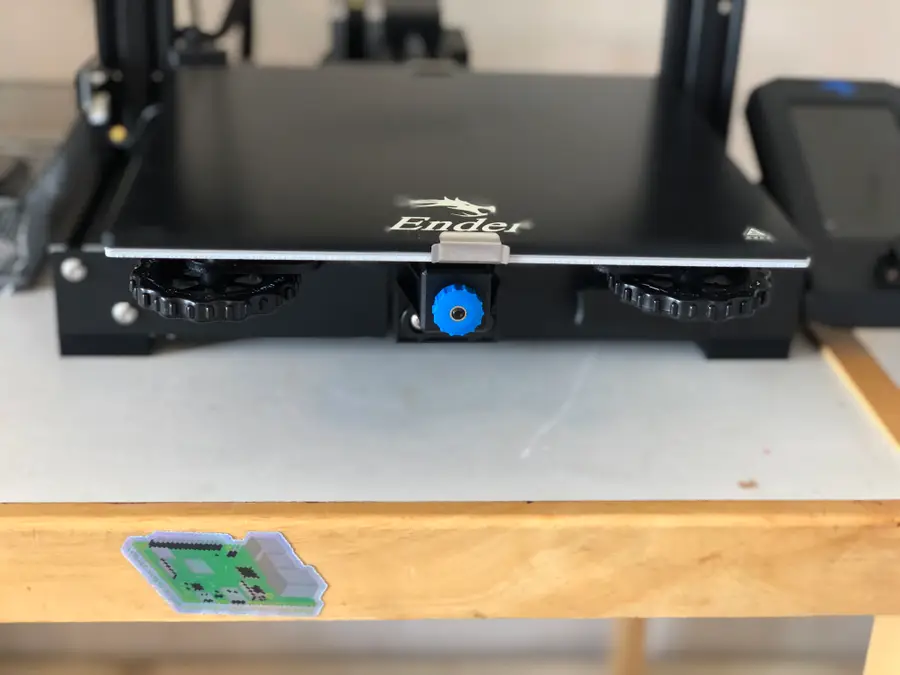
Binder clips

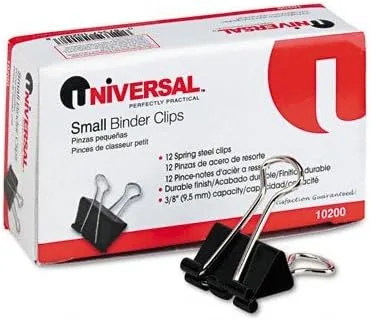
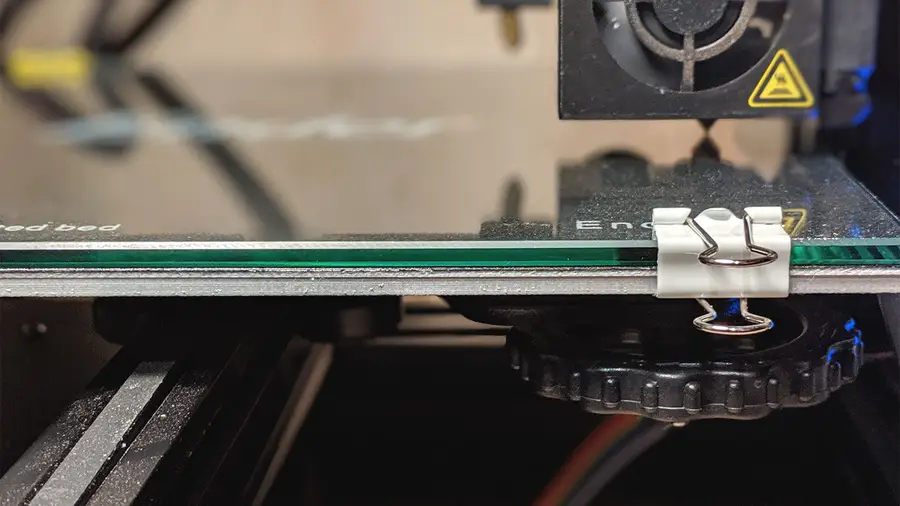
The easiest way to affix your glass bed to your 3D printer’s bed is to use small binder clips. Much like using hair spray for adhesion, this is the method generally accepted by the 3D printing community.

Be sure to use small binder clips so that, when fully stretched, the binder clip arms are parallel to the build plate. This will ensure that the extruder and other parts of the print head never make contact with the binder clips. These are the binder clips I normally use.

Simply attach two binder clips to the front and two to the back of the build plate, pressing the glass bed onto the build plate. Sometimes, though rarely, you might have a print that goes right to the edge of the plate in these areas. In that case, you can shift the clips around to accommodate.

Print bed clips

You can also find glass bed clips on Thingiverse and print them; just make sure you use a high-temp filament that won’t warp with normal prints. For example, if you normally print PLA or PETG, print the clips in ABS. If you print a lot in ABS, you probably shouldn’t use plastic bed clips.

Buy bed clips

You can find and buy metal bed clips online.

🛈 After adding your bed, it will now be thicker! You’ll need to either adjust your printer’s z-axis endstop or adjust your printer’s height using its normal adjustment mechanism to lower it to account for the new thickness.

10 – How to clean your glass bed

Cleaning the glass bed is one of the best parts about using it as a build medium. Gone are the days of removing and replacing painter’s tape or BuildTak.

Wash the bed

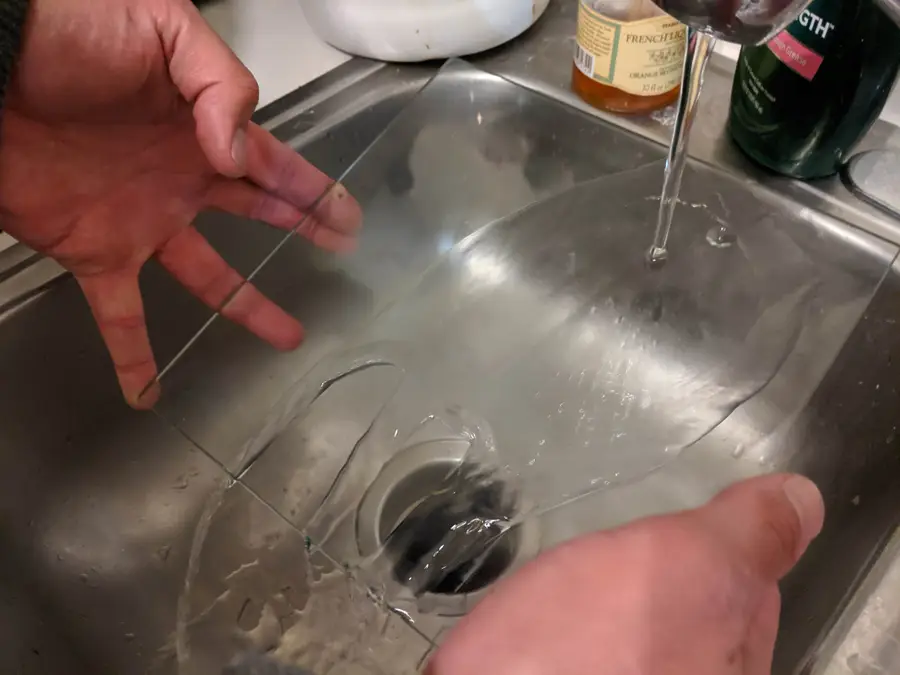
After you’ve let your print cool and set it aside, remove the binder clips and glass bed. Run the glass bed under your kitchen faucet and use a sponge and bit of soap to scrub off the hair spray/glue residue and tiny bits of filament left behind. Most hair spray and glue sticks are water-soluble, making the whole process easy and satisfying.

Dry the bed

To dry the bed, set it on your counter on a clean paper towel and use another to dry the top. After the glass is dry, put it back onto your printer.

Before starting a new print, make sure the bottom is fully dry. When you heat your bed, any water trapped between the glass and build plate will turn to steam and can crack or chip your bed. Learn from my mistakes. 🙂

🛈 You can often go several prints without needing to clean the plate!

11 – Where to find a glass bed for your printer

You can find a glass bed for your printer on Amazon. Simply look up the dimensions of your bed by Googling the model, and then punch that into Amazon. Make sure the result you find explicitly mentions borosilicate.

12 – Can you use a glass bed without a heated bed?

Yes and no. You technically can use a glass bed on an unheated printer. However, similar to layer adhesion issues sans heat, you may have issues getting your print to stick to the bed — even with glue or hair spray. While I don’t recommend using a glass print surface if your bed is not heated, it is certainly possible to do so.

13 – Am I wrong?

I know this is a very opinionated guide and a strong standpoint to take. I’ve reached this conclusion after owning half a dozen printers, experimenting with every possible type of build surface, and consulting with several full-time 3D printing professionals.

There are certainly exceptions: specialized types of printers, printers that must touch a bed made of a particular material (like metal) to self-level, etc.

If you don’t agree that glass is the ultimate build surface, please let me know in the comments section below. I’d love to hear your viewpoint so that I, and other readers, can learn.

After all, one of the most amazing things about 3D printing culture, and the community in general, is sharing and openness to new ideas. 🙂 I’ll also update this article with any relevant information you provide.

NEXT UP

How to Update Blender

Get the latest Blender has to offer.
howchoo   (467)
November 24, 2023

Blender is one of the most popular open-source 3D creation suites today. It doesn’t cost a dime to use and everything you create is yours to own for good. The community is robust and the dev team still releases new updates on the regular. If you want to get the latest version, you may have

Continue Reading

howchoo

 467 guides

Introducing Howchoo, an enigmatic author whose unique pen name reflects their boundless curiosity and limitless creativity. Mysterious and multifaceted, Howchoo has emerged as a captivating storyteller, leaving readers mesmerized by the uncharted realms they craft with their words. With an insatiable appetite for knowledge and a love for exploration, Howchoo’s writing transcends conventional genres, blurring the lines between fantasy, science fiction, and the surreal. Their narratives are a kaleidoscope of ideas, weaving together intricate plots, unforgettable characters, and thought-provoking themes that challenge the boundaries of imagination.

Home Interests OctoPrint

How to Set Up and Use OctoPrint on the Creality Ender 3 V2

Remotely control your Ender 3 V2 with OctoPrint.
howchoo   (467)
September 28, 2023
26 minutes

Share

You’ll Need 8

What you’ll need
Interests
Series
Howchoo is reader-supported. As an Amazon Associate, we may earn a small affiliate commission at no cost to you when you buy through our links.
Posted in these interests:
3dprinting • 36 guides
ender3 • 19 guides
octoprint • 10 guides

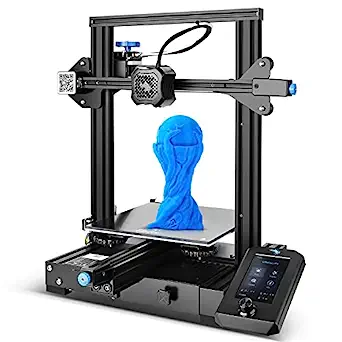
With the release of the Creality Ender 3 V2, many of the Ender’s biggest fans who upgraded to the latest version are noticing many small differences in setting up mods like OctoPrint. While we have a great guide on the original Ender 3 OctoPrint, the differences are substantial enough to warrant a completely new guide on setting up OctoPrint specifically on the Ender 3 V2.

While making this guide I ran into many Ender 3 V2-specific bumps and stops, and I’ve worked through them all so you don’t have to spend the time.

Let’s get you set up with OctoPrint on your Ender 3 V2!

1 – Ender 3 V2 OctoPrint settings

Setup OctoPrint on Raspberry Pi

First, you should follow our full guide to learn how to set up OctoPrint on your Raspberry Pi. Then hop back over this guide for the Ender 3 V2 specifics.

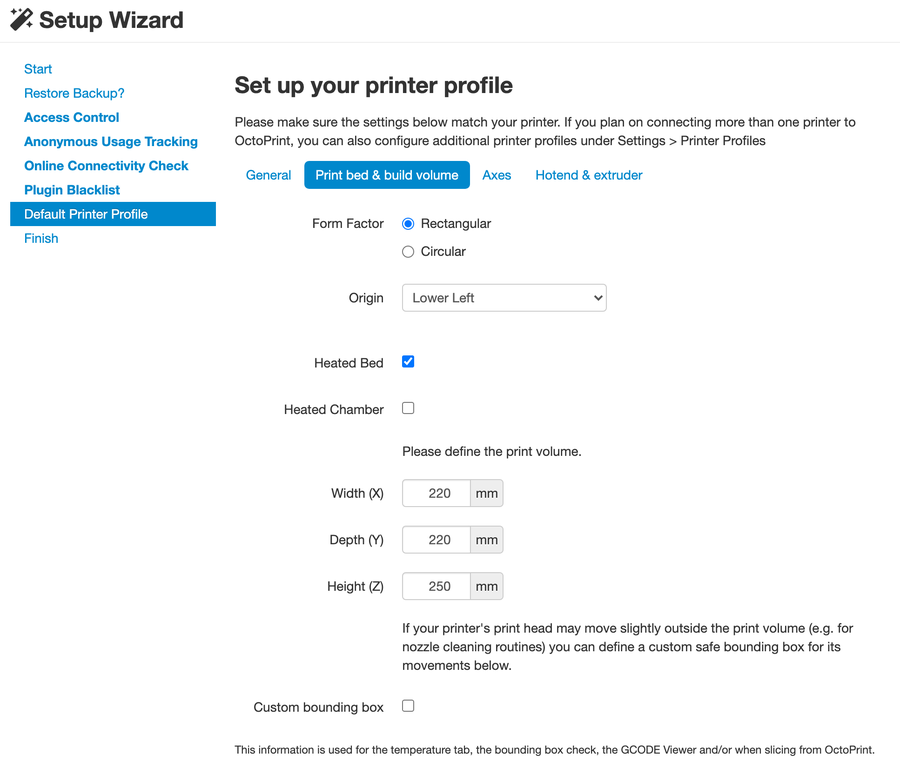
Printer Settings

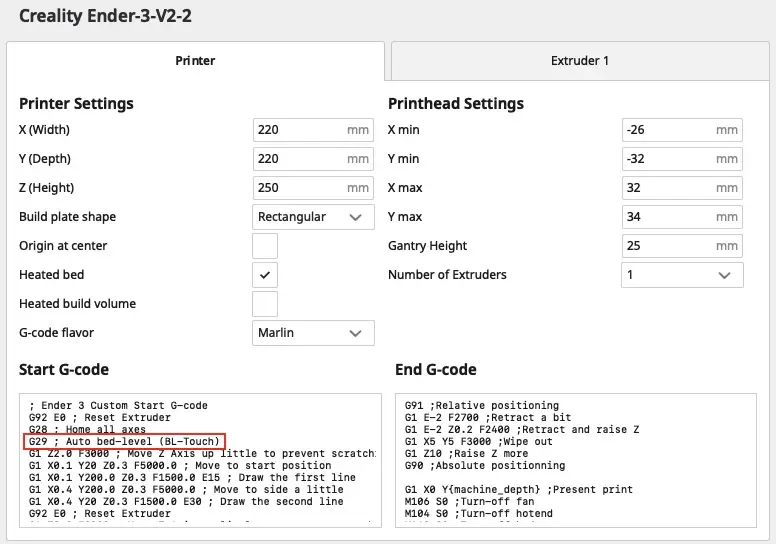
Form factor: Rectangular
Origin: Lower Left
Heated Bed: Yes (checked)
Heated Chamber: No (unchecked)
Width: 220mm
Depth: 220mm
Height: 250mm
Axes: Default**
Custom Bounding Box: No (unchecked)
Nozzle Diameter: 0.4mm
Number of Extruders: 1

** The Axes setting is only used for manually controlling the printer — as I slice my models before putting them into OctoPrint, I didn’t bother filling this out. However, you can if you choose; remember the Axes speed settings are per minute, whereas the settings in most slicing programs are per second.

Connection settings

Serial Port: AUTO
Baudrate: AUTO

Most of the settings are the same as with the original Ender 3, with the noticeable difference being that OctoPi can now detect the serial port automatically.

Download Ender 3 V2 OctoPrint Plugins

As of the writing of this guide (Nov. 2020), there are two mandatory plugins you need to install for the Ender 3 V2 in OctoPrint:

Check out our guide on installing OctoPrint plugins to see how to find and install these.

The Most Popular OctoPrint Plugins (And How to Install Them)
Wrap your tentacles around these sweet plugins!

Update your Firmware

Updating your firmware may be required when using the Ender 3 V2 with OctoPrint. After connecting to the printer inside of OctoPrint, you might see the following message: “Warning: Firmware Broken”. In this case, you’ll need to have the latest firmware version to print remotely from your Raspberry Pi.

Even without this warning, OctoPrint caused my print speed to max out, no matter what setting I used. When I updated the firmware, however, this issue disappeared. So I recommend updating the firmware either way.

Thankfully, updating the firmware on the Ender 3 V2 is much easier than it was on V1.

How to Update the Firmware on the Ender 3 V2
Check for new firmware regularly.

If you update your firmware and still get the “Warning: Firmware Broken” message, install this plugin to solve the issue until Creality can fix it in an upcoming firmware version (the message will persist but the underlying issue will be fixed).

🛈  Make sure your Pi is connected to the Ender 3 V2 when trying to change the connection settings.

2 – Print the Ender 3 V2 OctoPrint parts

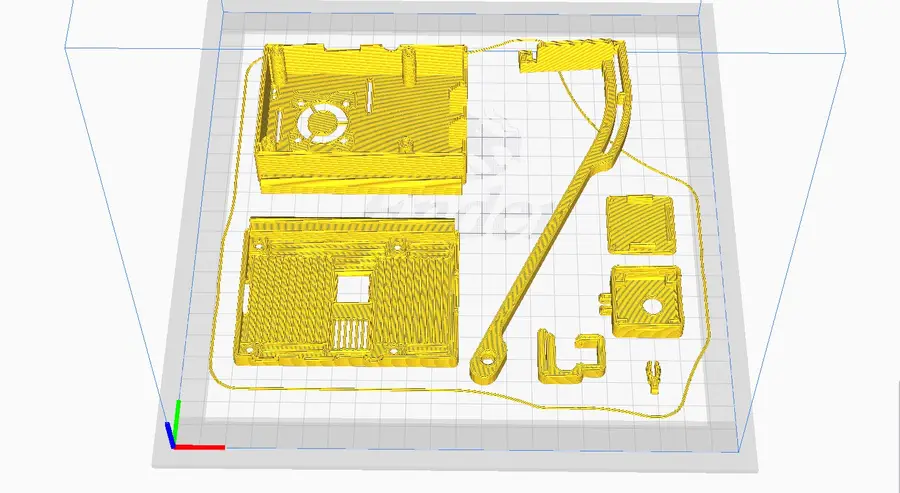
Before I begin, I should note that I had a heck of a time finding components on Thingiverse that would work for my Ender 3 V2 OctoPrint setup. With the Ender 3 V2 still being relatively new (as of November 2020), there aren’t as many specific models for the printer. I am also using a Raspberry Pi 4, which needs a fan, so I needed to find a case specifically with a fan.

That said, here are the Ender 3 V2 components that I used for setting up OctoPrint. Depending on what Pi and fan you’re using, you’ll likely need to adjust these parts as noted below.

Ender 3 V2 Camera Mount

Mounting a camera to your Ender 3 V2 really turns the OctoPrint experience from “this is pretty cool” to “this is freakin’ awesome!” As the Z-axis stepper motor travels up during your 3D printing, the camera follows it. You get to watch the whole print take place remotely on your computer or anywhere—if you want to use our guide to access OctoPrint from anywhere. You can even record the entire print as a time-lapse if you choose.

Print out the camera case and camera mount. If you’re using my components, you should have no trouble. Do note that the case attaches to the mount very tightly. You need a tight fit so the camera does not shake when the printer is on.

There are two additional options for a shorter boom-arm and a bolt-less installation. I like the long boom arm personally because of the low angle it allows while viewing the print.

Ender 3 V2 Raspberry Pi Enclosure

The case I linked to earlier is for the Raspberry Pi 3 with a 25mm fan. You likely aren’t using the exact same fan, so here’s the same case for the 30mm fan. It does fit the Ender 3 V2 and attaches to the side 80/20 aluminum rail. By the time you read this, there may be even more available on Thingiverse, so feel free to browse around.

Notes

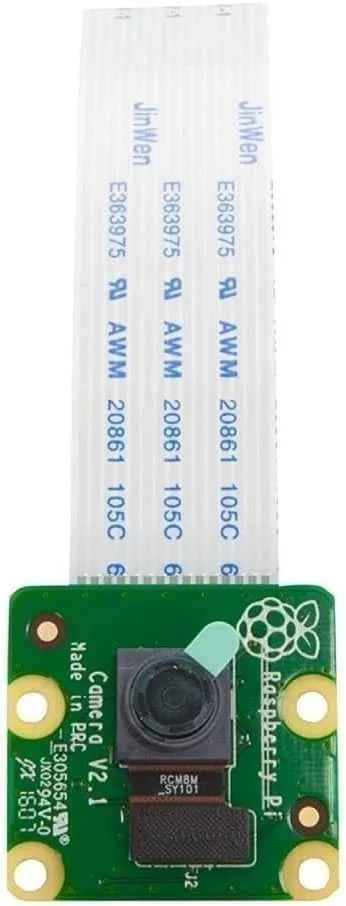
The camera I used was the official Raspberry Pi Camera Module V2.

You’re looking for a camera mount that attaches across the front Ender 3 V2 Z-axis motor, as that has the same specs as the Ender 3. Do not use an original Ender 3 camera mount that attaches to the side of the motor, as it might not fit properly.

The camera mount and case I used do fit easily and even have an option for installation without the recommended 2mm bolt/nut.

3 – Mount the Raspberry Pi Camera on the Ender 3 V2

Do this step prior to putting your Raspberry Pi into its case so you can more easily connect the ribbon cable to it.

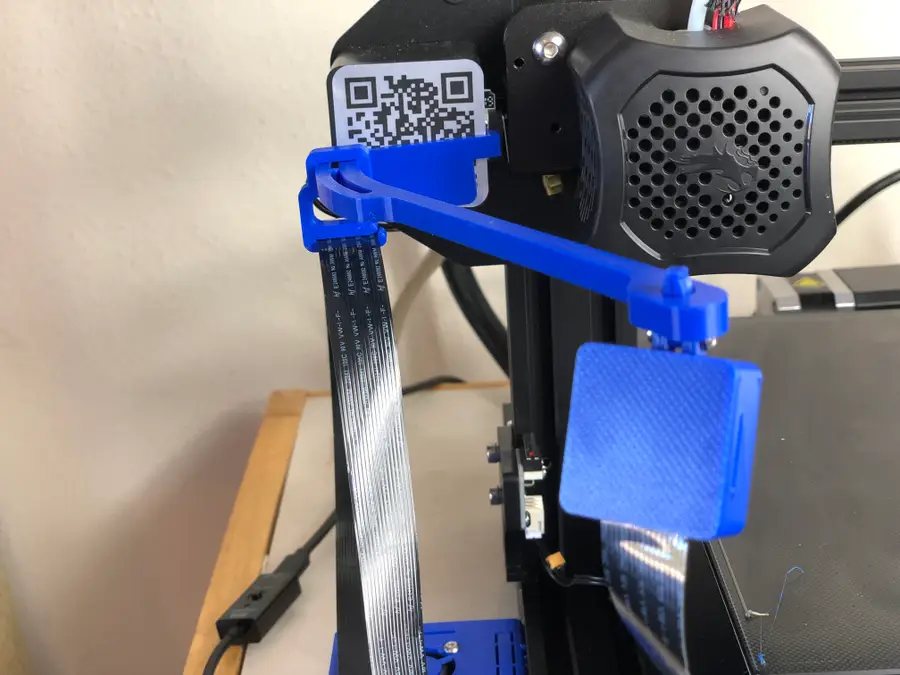
  • Decide if you want to mount the camera above the boom-arm or below. (I mounted mine below, as I think it gives a better view of the print.)
  • Insert your printed swivel pin accordingly, until it snaps in place.
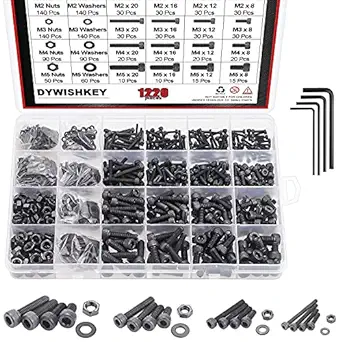
  • Use an M2 x 20mm bolt to connect the camera case to the mount.

Note: If you’re using the mount I selected, it will be difficult to get the bolt through. This is intentional, as everything needs to be tight so the camera holds its position. Just take your time. – Connect the Raspberry Pi ribbon cable to the camera. – Carefully click the camera into place. – Snap the back of the camera case into place.

Ender 3 V2 Raspberry Pi camera cable length

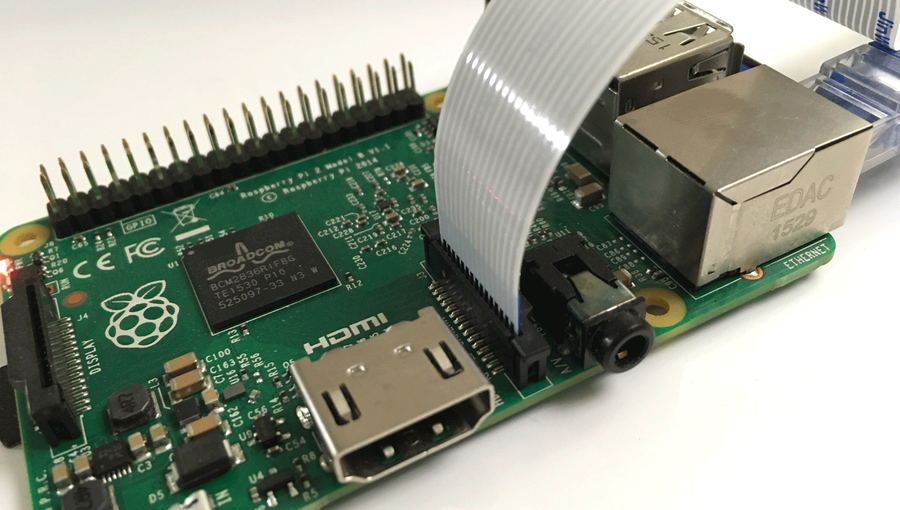
You’re absolutely going to need to use this extension cable when connecting your camera to your Raspberry Pi. The cable that comes with the Pi camera is not long enough and will break if you try to use it.

As with anything you do, when connecting the ribbon cable—take your time and be careful not to break the camera.

We like using the official Raspberry Pi camera for OctoPrint, but there are other OctoPrint cameras and webcams that you can use too.

Optional ribbon clip

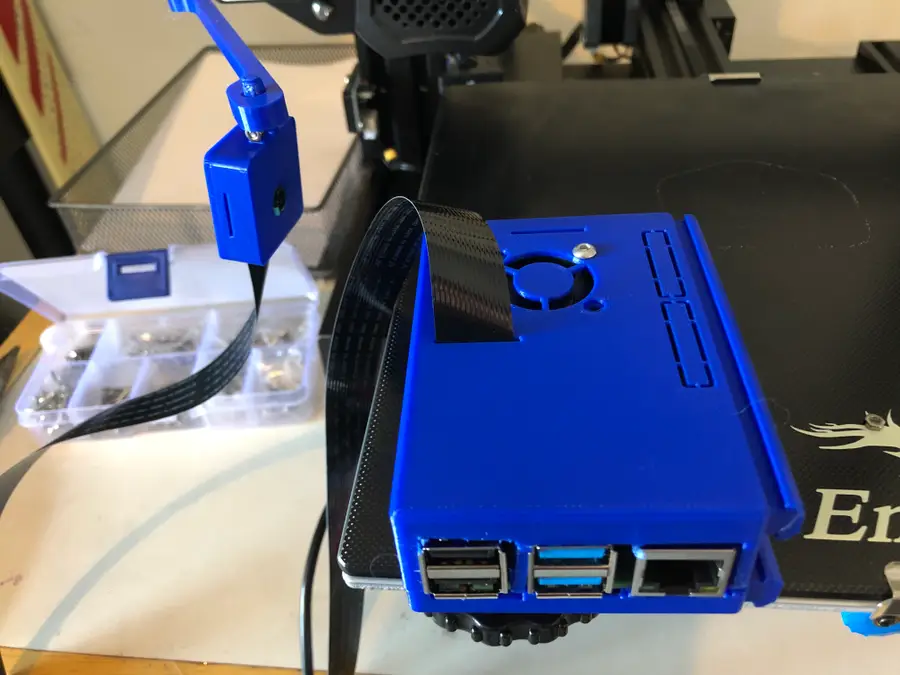
If you printed the optional ribbon clip that comes with the camera mount, then you can use this to guide your extension cable some. Don’t loop it on the clip. Only put it through once, leaving plenty of slack for when the Z-axis motor raises up on high prints.

4 – Put the Raspberry Pi into the case

You should have two 3D-printed pieces—a faceplate (with the fan opening) and the case itself.

Fan installation

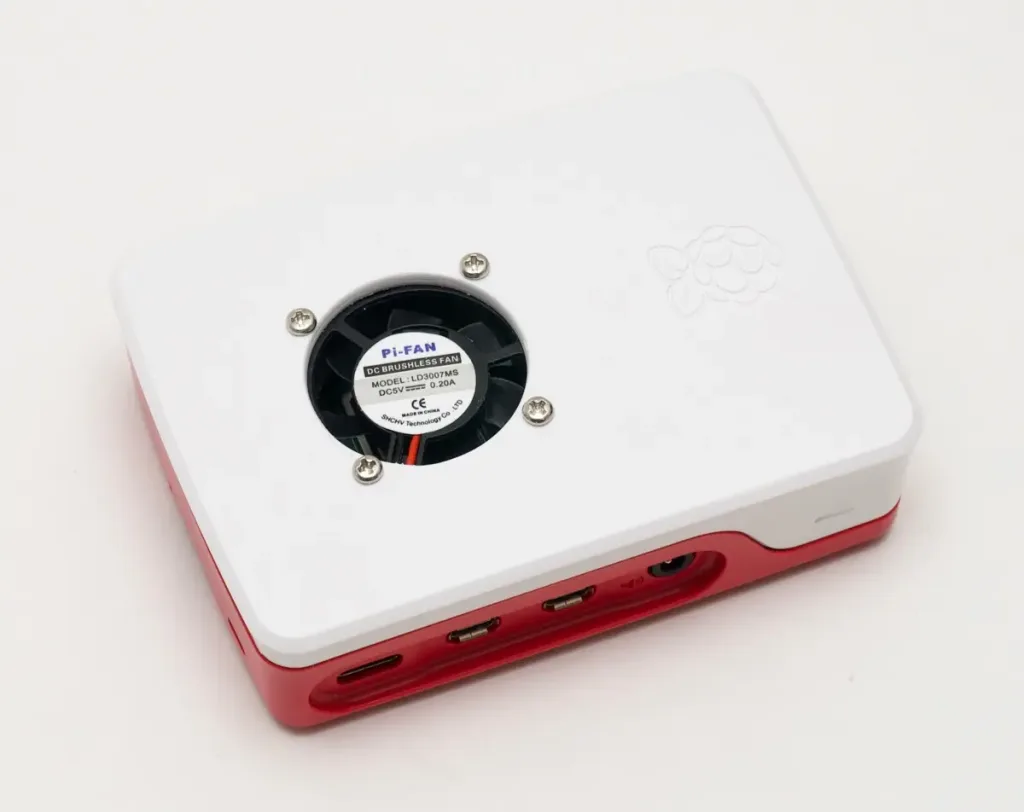
If your case fits the fan size properly, then simply bolt the fan to the case using 4 M3 x 12mm bolts/nuts.

If it doesn’t work perfectly or you need help installing a fan on the case, head over to our guide on adding a Raspberry Pi 4 fan to a case.

raspberry pi 4 case with fan

How to Add a Fan to the Raspberry Pi 4 for Proper Cooling (You Need One)
It’s getting hot in here, a fan will cool your Pi.

Pi camera ribbon cable

You’ll need to slide your camera ribbon cable through the slot on your Raspberry Pi case. If your case does not have a slot, then you’ll need to manually cut one.

Bolt case together

Carefully add the four M3 x 16mm bolts to connect the case. Lightly tighten each bolt one at a time. Then, fully tighten each bolt.

🛈 If you’re using a Raspberry Pi 4, then you should definitely install the fan.

5 – Mount the Raspberry Pi

The case that I chose slides into the side rail of the Ender 3 V2, so you won’t need any nuts or bolts.

  • Optional: file down the brackets on the case some to loosen the fit. It will be a very tight fit otherwise.
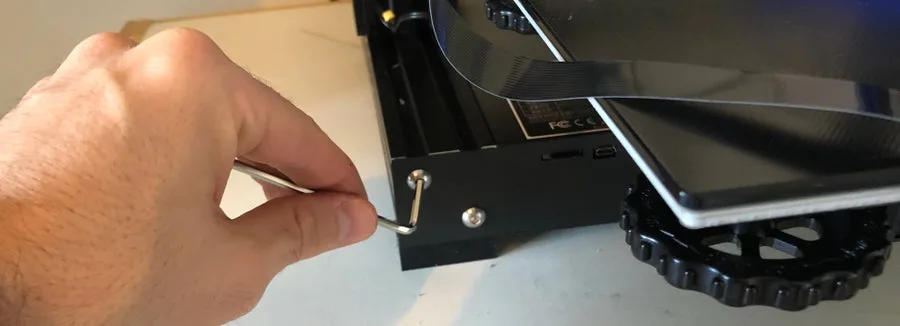
  • Unbolt the front-left cover of the Ender 3 V2, so you can create room in which to slide the case. Make sure your MicroSD is removed.
  • Push the case brackets through the sidebar slowly. Don’t damage your Pi. If you need to, you can file down the brackets more.
  • Reattach the front cover.

Route camera cable

Route the camera cable up through the cable clip (if using one), and into your camera. Make sure the ribbon cable is straight and not bent.

🛈 You may find you need to tilt/move your Ender 3 V2 some when sliding the case into the brackets. Just be careful when doing this.

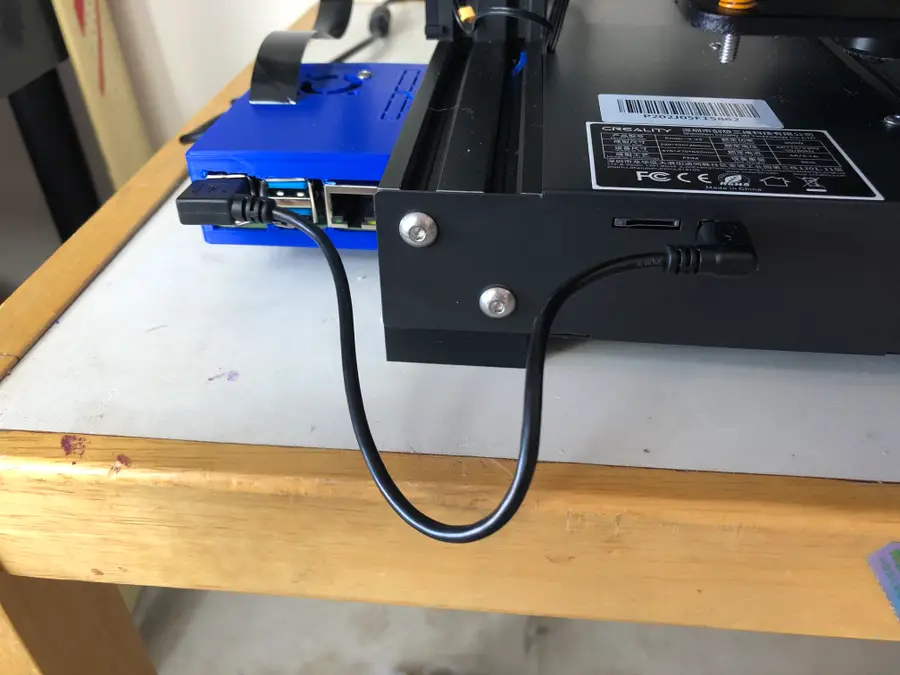
6 – Connect the Raspberry Pi to your Ender 3 V2

Lastly, use a short Micro-USB cable to connect the Raspberry Pi to your Ender 3 V2.

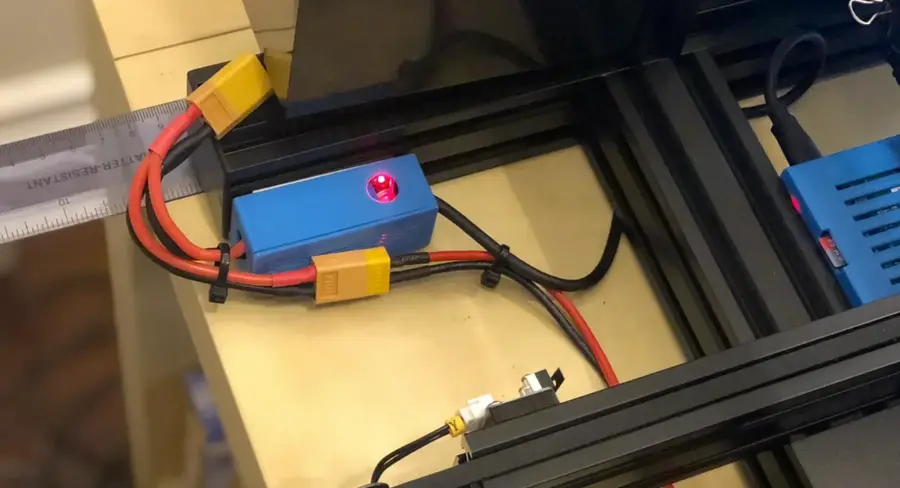
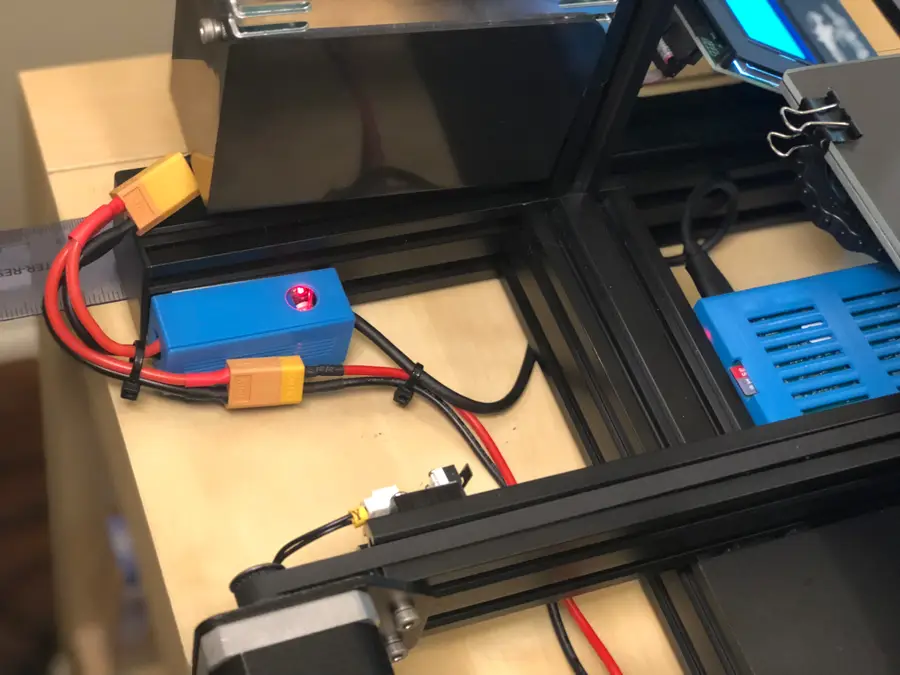
7 – Optional: Power the Pi from the Ender 3 V2

If you want to power your Raspberry Pi directly from your Ender 3 V2, then you’ll need to modify our guide on powering the pi from the original Ender 3. We only recommend you do this if you have enough knowledge of electronics and power supplies.

I’m fine with my Raspberry Pi being plugged directly into the wall, so I did not do this.

8 – Focus the Pi Camera

While viewing the camera feed in the OctoPi/OctoPrint interface:

  • Slide your bed to center it.
  • Place a small object in the center of the bed on which to focus the camera. (I chose a small bottle with some text, so I could easily focus the camera.)
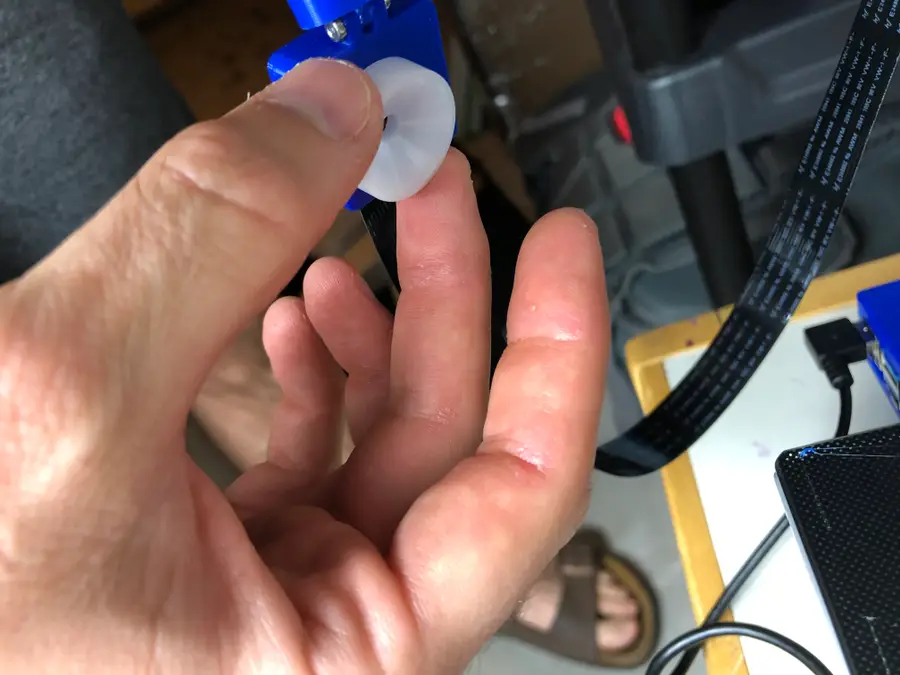
  • Use the small white wheel that came with your Raspberry Pi camera to turn the camera lens until the object is perfectly focused.

Now, make sure your Ender 3 V2 bed is leveled, and you’re ready to print.

🛈 Turn the wheel slowly, as it’s very sensitive.

9 – Final setup

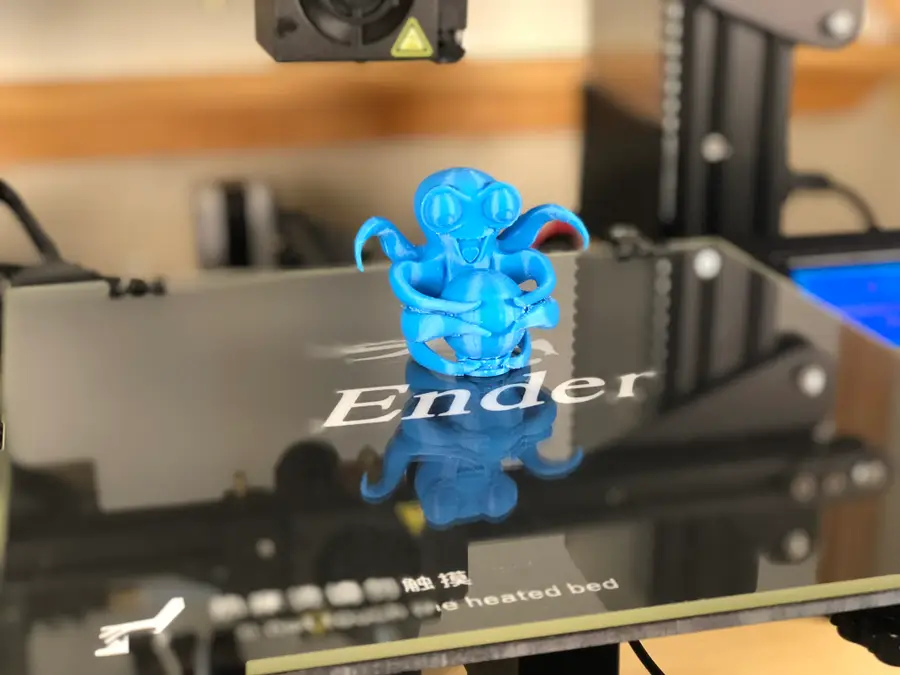
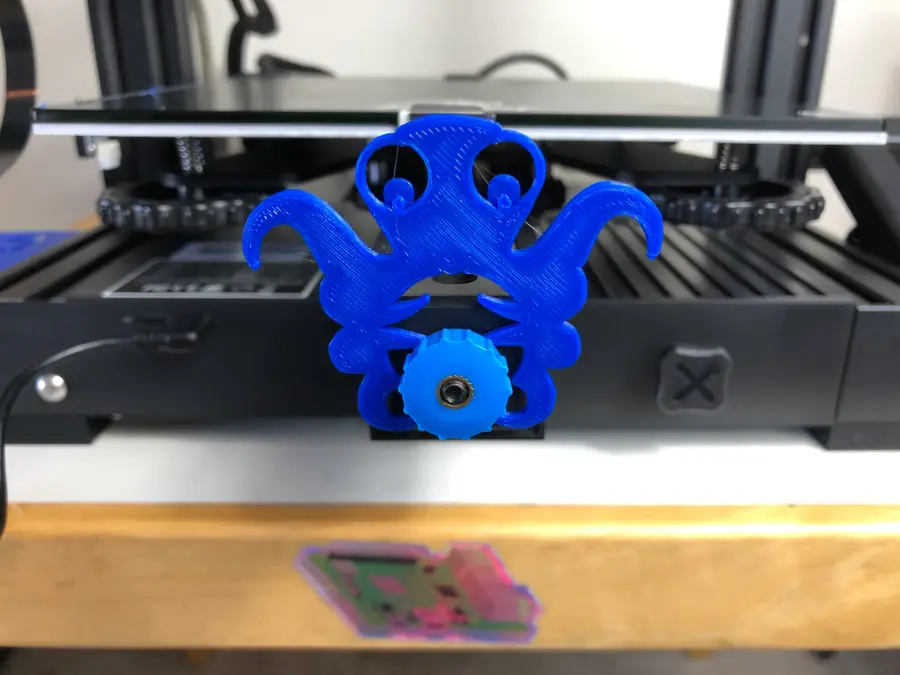
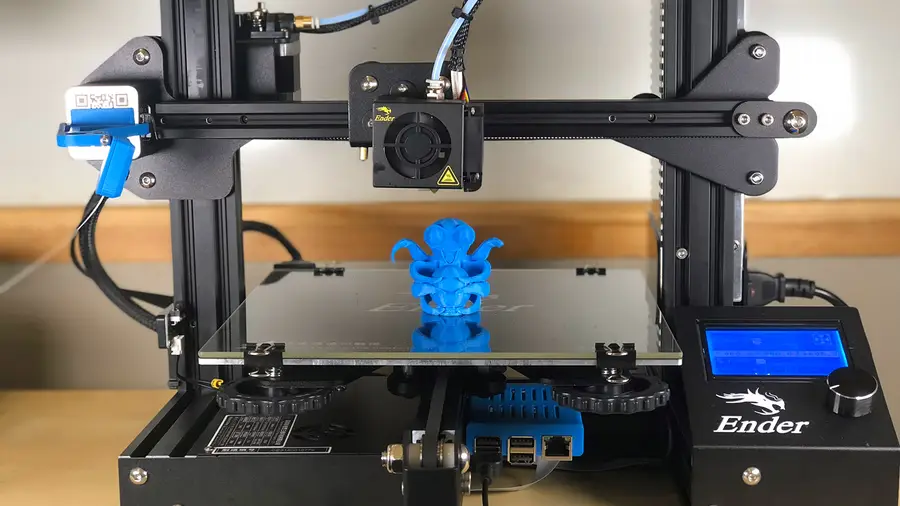
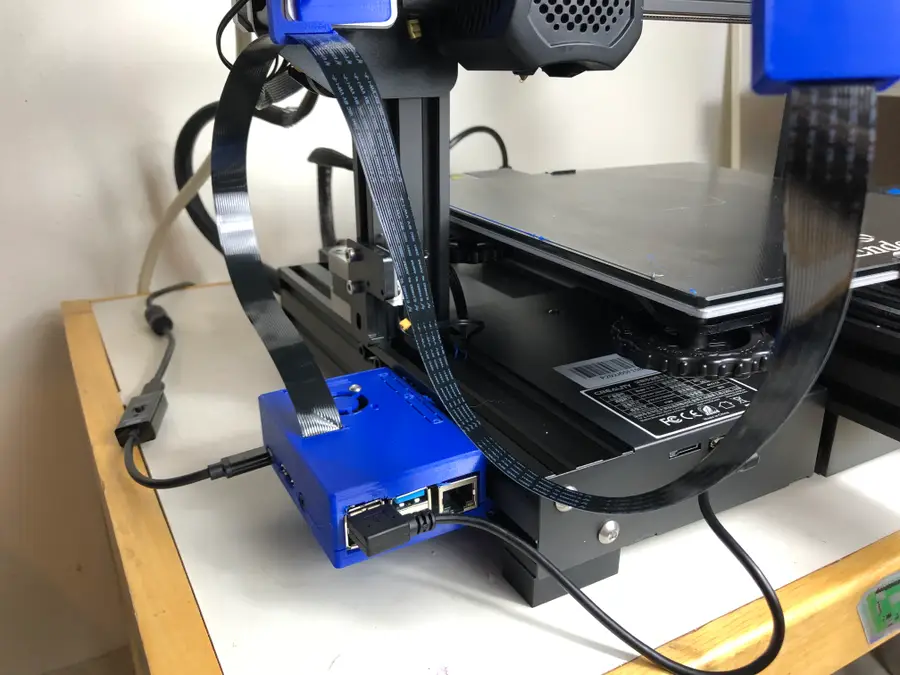
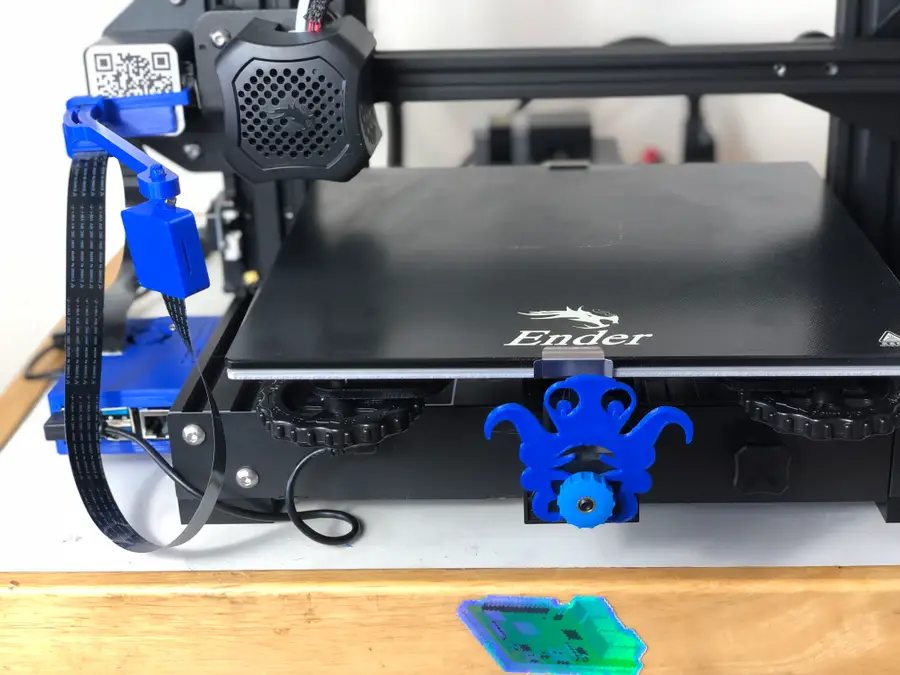
Here’s what your setup will look like when everything is set up and ready! (Minus the little OctoPrint figure on the front, of course!)

Again, I point you to my fellow Howchooer, Zach’s, wonderful OctoPrint setup guide to get the program up and running. It’s the guide that I used!

10 – My first Octolapse

Here’s my first Ender 3 V2 Octolapse time-lapse!

How did we do?

Feel free to comment below letting us know what worked for you and what did not. And share your own OctoPrint setup with us over at Facebook and Twitter.

Be sure to check out our OctoPrint FAQs if you have any questions about using OctoPrint. We also have a full OctoPrint interest!

OctoPrint FAQ – Everything You Need to Know About Octoprint
What’s got 8 legs and tons of questions?

NEXT UP

How to Update Blender

Get the latest Blender has to offer.
howchoo   (467)
November 24, 2023

Blender is one of the most popular open-source 3D creation suites today. It doesn’t cost a dime to use and everything you create is yours to own for good. The community is robust and the dev team still releases new updates on the regular. If you want to get the latest version, you may have

Continue Reading

howchoo

 467 guides

Introducing Howchoo, an enigmatic author whose unique pen name reflects their boundless curiosity and limitless creativity. Mysterious and multifaceted, Howchoo has emerged as a captivating storyteller, leaving readers mesmerized by the uncharted realms they craft with their words. With an insatiable appetite for knowledge and a love for exploration, Howchoo’s writing transcends conventional genres, blurring the lines between fantasy, science fiction, and the surreal. Their narratives are a kaleidoscope of ideas, weaving together intricate plots, unforgettable characters, and thought-provoking themes that challenge the boundaries of imagination.

Home Interests RetroPie

The Best RetroPie Controllers – Top 10 (2023)

Don’t skimp on your RetroPie controller—get the best!
howchoo   (467)
September 28, 2023
12 minutes

Share

Interests
Posted in these interests:
pi • 92 guides
retrogaming • 29 guides
retropie • 17 guides

If you want to play retro games on RetroPie, you need a controller. But not all controllers are created equal and the best one for you depends on what you want to play, how you like to play, and how much you’re willing to spend.

Most of these controllers are USB only, but there are a few wireless options sprinkled throughout the list. You should be able to find at least one controller to suit your retro gaming needs.

1 – All-around best wireless

Cables? Forget ’em. The 8Bitdo SN30 Pro+ is your best option when it comes to wire-free gaming on RetroPie.

8BitDo has established itself in the retrogaming community as a reliable brand and somewhat of a staple. If you’re after a retro-themed controller with plenty of buttons, check out the SN30 Pro+ from 8BitDo.

SpecSN30 Pro+
Battery Life20 Hours
Price$49.99 on Amazon
Connection TypeWireless / Bluetooth / USB – C
MaterialPlastic
StyleSNES
QualityHigh

2 – All-around best wired

If wired controllers are your speed, you need something reliable.

This official Xbox One controller from Microsoft connects via USB and has the nearly instantaneous response times you want from a wired device.

Because this is an officially licensed controller, you can expect industry-standard quality with the feel of a modern console.

SpecXbox One Wired Controller
Battery LifeN/A (Wired)
Price$66 on Amazon
Connection TypeUSB
MaterialABS
StyleXbox One
QualityIndustry Standard
Microsoft

3 – Best Bluetooth controller for RetroPie

The Xbox One Wireless controller relies on a Bluetooth connection. Because of the number of buttons, it’s versatile enough to use with many different console emulators—from NES to Dreamcast.

You will need a Bluetooth compatible Pi to connect. Check out our list of Raspberry Pi models for detailed specs to see if yours will work.

Raspberry Pi Models and Specs: A Comprehensive Guide
What flavor of Pi is your favorite?

If not, you can always try using a USB Bluetooth adapter. Setting up your Xbox One Controller on RetroPie is a cinch, too.

SpecXbox One Wireless Controller
Battery Life30 Hours
Price$75.97 on Amazon
Connection TypeWireless / Bluetooth
MaterialABS
StyleXbox One
QualityIndustry Standard
Microsoft

4 – Best 8BitDo controller for RetroPie

Like we said before, 8bitDo is a hit in the RetroPie community. But which controller is the top-dog when it comes to 8BitDo? We believe that honor goes to the SN30 Pro.

It uses Bluetooth to connect and has a classy retro look—perfectly shaped for an SNES experience. It’s definitely pricier than some other models, the payoff is worth it for retrogaming aficionados. It has rumble support, motion controls, and USB-C support.

SpecSN30 Pro
Battery Life20 Hours
Price$44.99 on Amazon
Connection TypeWireless / Bluetooth
MaterialPlastic
StyleRetro Original
QualityHigh

5 – Best budget RetroPie controller

If the retrogaming hobby is burning a hole in your wallet, take control and invest in a reliable budget controller.

The cheapest knock-offs will cost you more in the long run. The RetroFlag Classic Gaming Controller (Jpad) is perfect for anyone who wants something that looks old-school but plays with modern finesse.

SpecRetroFlag Classic Gaming Controller (Jpad)
Battery LifeN/A (Wired)
Price$16.99 on Amazon
Connection TypeUSB
MaterialPlastic
StyleSNES
QualityGood
RetroFlag

6 – Best Nintendo 64 RetroPie controller

When it comes to emulating the Nintendo 64, controller shape is almost everything!

The buttons and joysticks need to be ready for some serious abuse, especially if you plan on playing anything remotely as off-the-wall as Mario Party. Check out this USB N64 controller from iNNEXT for the reliable tri-grip delight you’re most familiar with.

SpecSaffun N64
Battery LifeN/A (Wired)
Price$17.99 on Amazon
Connection TypeUSB
MaterialPlastic
StyleNintendo 64
QualityGood
iNNEXT

7 – Best NES controller for RetroPie

If you want a realistic NES experience, a SNES controller won’t do. This classic Nintendo platform had a unique controller with a distinct look and feel.

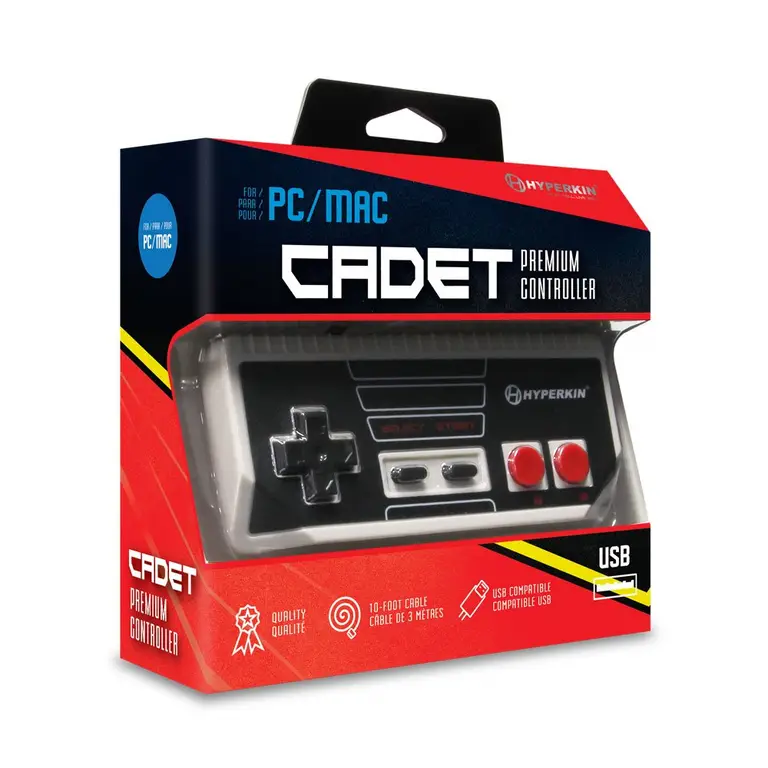
That’s why we chose Hyperkin’s Premium NES controller as the best option for NES emulation on RetroPie. It brings the quality and feedback you expect from a modern controller with the design and button placement you remember.

SpecHyperkin Premium NES
Battery LifeN/A (Wired)
Price$19.99 on Amazon
Connection TypeUSB
MaterialPlastic
StyleNES
QualityGood

8 – Best SNES controller for RetroPie

The SNES controller was a well-received upgrade to the NES controller. It had more buttons and a rounded design that fits comfortably in your hands. This controller is one of the most preferred when it comes to retrogaming emulation.

If you want a reliable device for SNES emulators, check out the RetroFlag Classic Gaming Controller (Upad). This is from the same team that brought us the Raspberry Pi GPi Case.

SpecRetroFlag Classic Gaming Controller (Upad)
Battery LifeN/A (Wired)
Price$16.99 on Amazon
Connection TypeUSB
MaterialPlastic
StyleSNES
QualityGood
RetroFlag

9 – Best PlayStation controller for RetroPie

Whether you want a PlayStation experience or just prefer the classic design, PlayStation controllers are definitely a good option when it comes to RetroPie.

They have plenty of buttons for older and newer platforms and come with industry-standard quality. The DualShock 4 Wireless Controller from PlayStation works seamlessly with the Raspberry Pi while delivering the highly-responsive feedback you want while gaming.

SpecDualShock 4 Wireless Controller
Battery Life4 – 8 Hours
Price$59.99 on Amazon
Connection TypeWireless / Bluetooth
Material
StylePlayStation 4
QualityIndustry Standard
Sony

10 – Best arcade controller for RetroPie

This arcade controller, known as the Switch Fighting Stick Mini from HORI, is officially licensed for the Nintendo Switch, but works just as well with the Raspberry Pi.

It has a classic arcade-style joystick and button layout, connecting with USB support. Short of making your own Raspberry Pi arcade controller, this is one of your best options when it comes to simulating arcade hardware.

SpecSwitch Fighting Stick Mini
Battery LifeN/A (Wired)
Price$49.99 on Amazon
Connection TypeUSB
MaterialPlastic
StyleArcade
QualityIndustry Standard
HORI
NEXT UP

How to Run a Minecraft Server on the Raspberry Pi

A whole world trapped inside your Pi.
howchoo   (467)
December 7, 2023

There are several ways to go about running a Minecraft server on the Raspberry Pi. In this guide, I’ll cover how to install Nukkit—a cross-platform Minecraft server that’s super easy to set up on the Raspberry Pi. This server should work with PCs, consoles, and tablets running Minecraft 1.14. I’ll be using a Raspberry Pi

Continue Reading

howchoo

 467 guides

Introducing Howchoo, an enigmatic author whose unique pen name reflects their boundless curiosity and limitless creativity. Mysterious and multifaceted, Howchoo has emerged as a captivating storyteller, leaving readers mesmerized by the uncharted realms they craft with their words. With an insatiable appetite for knowledge and a love for exploration, Howchoo’s writing transcends conventional genres, blurring the lines between fantasy, science fiction, and the surreal. Their narratives are a kaleidoscope of ideas, weaving together intricate plots, unforgettable characters, and thought-provoking themes that challenge the boundaries of imagination.

Home Interests Guides

8 Unique Ways To Hide Your Router & Modem Without Blocking The Signals

Hide your router and modem without blocking signals with these 8 creative ways.
howchoo   (467)
September 28, 2023
19 minutes

Share

Interests
Posted in these interests:
guides • 10 guides

It is no secret that WiFi routers have hardly appealing designs. As much as you appreciate your WiFi connectivity, thanks to your router, it does not mean that you want it to sit on your beautiful furniture, standing out in stark contrast to your other aesthetically-pleasing decorative ornaments.

If you are looking for ideas to hide your router without blocking its signal, you have come to the right place.

In this guide, we will tell you what you need to consider when choosing the best hiding spot and give you some ideas on how you can keep your router out of sight.

1 – How to Hide Router Without Blocking Signal

Before you simply tuck your router away, you need to understand that your WiFi signal can be affected if you approach this incorrectly. There are several things to consider when you are thinking of hiding a router or modem without blocking its signal.

Let Heat Escape

Source

Before hiding your router in a specific location, you need to consider the heat that the router will emit and the surroundings in which you intend to place it.

Remember that a router is an electronic device, and electronic devices do produce heat. Furthermore, electronics do not work well when they are overheated. This is why you need to ensure that the heat is able to dissipate.

If you are considering where to hide your router, it needs to be in a place with good ventilation to allow the heat to escape. This is why most people prefer to place them in boxes or baskets with holes to allow ventilation.

If your router feels extremely warm or you smell plastic burning, be sure to check your router, as those are possible signs of your router overheating. Also, check your router often for dust, as any dirt or dust clogging its vents can also cause overheating.

Don’t obstruct WiFi Signal and Strength

Source

To prevent any disruption to your work or WiFi usage, you need a strong WiFi signal and strength to connect seamlessly to your devices. Do not hide your router somewhere where the signal strength will be too low or where you will be losing your WiFi signal.

Instead, try hiding your router in something made of lightweight material. Avoid placing your router in metal or dense materials, which might interfere with your WiFi signal.

Ensure Correct Wiring

Source

Ensure that your wiring is set up correctly and with the right power cable. If you are hiding your router in a container, it should not be completely sealed. Find a neat way of connecting it and ensuring that the cords can get through the container your router will be hidden in.

Avoid Hiding It Inside or Behind Metallic Objects

Source

There are various objects where you can conceal a router, but as mentioned, the type of materials matters.

A metallic object is the last thing you want to use to hide your router. Metal is a common material, but it can be quite problematic. Concealing your router in a metallic container or mesh basket can affect your WiFi strength and coverage.

This also includes all containers or items with some kind of metal mesh-like metal boxes, metal bookshelves, or behind a metal decoration such as a tin sign or such. For example, avoid placing your router on the wall behind your TV since most TVs have a large metal shield inside.

Avoid Putting It in Thick-Walled Boxes/Containers or Behind Heavy Books

Source

WiFi routers transmit signals in the form of waves and energy on the electromagnetic spectrum. By hiding your router inside something too thick, such as a heavy decorative box, you are interfering with the signal.

Heavy books also block the signal transmission, acting as radio-wave absorbing barriers that affect the signal. Therefore, it is not advised to hide your router on a bookshelf behind heavy books. You should always try to place your router in an open-air space where nothing is blocking it on all sides.

Leave the Antennas Projecting Out

Source

Ensure that the container you hide your router in can be left open on the upper side and that you can leave the router antennas sticking out. A router with actual external antennas has to be positioned in a vertical position where the antenna can project out of the container.

Use Thin-Walled Containers or Coverings

Source

A container that is not metallic and has thin walls will be able to conceal your router. You can also cover the container with a light cloth that would hide the router but still allow signal transmission due to the light material that permits WiFi signal transmission.

If you have to hide the router in a basket, use a basket with an open top and side walls with openings or materials that do not block the WiFi radio waves. This can either be a thin and transparent piece of cloth or woven grass material.

A woven grass basket is an excellent option since its sides enhance ventilation, allowing signal transmission while preventing the router from overheating at the same time.

In short, when you are looking for a container to hide your router, the material has to be non-metallic and as thin as possible.

Avoid Covering Router Body or Vents

Source

You may assume that because your router does not feel hot, it is not overheating. However, it is still not a good idea to cover the vents.

Even if your router has a small fan, you still need to leave an opening for the vents. Leaving your router at risk of overheating can cause your WiFi signal to be unstable.

2 – Ideas to Hide Router Without Blocking Signal

In a Mesh Basket

A mesh basket provides a great way of hiding your router. Most people already use mesh baskets to hide items like shoes, clothes, dog toys, children’s toys, mail, etc.

Simply hide your router inside one of these mesh baskets and buy a mesh basket made of grass that allows your router to be well-ventilated. It will also make your router work smoothly since your signal will not be significantly reduced due to opaque materials.

Style your basket with a few other items on your kitchen counter or hallway table, and no one will know you have hidden your router inside.

Screw the Router Onto the Tv Cabinet

Routers often come with screw slots that you can drill onto a wooden surface. You can screw the router onto the back of your TV cabinet, where it will not be seen.

Apart from the router, other electronics can also be screwed to the back of the TV stand. However, if you do not want your TV cabinet to be damaged with screws, this might not be the best option for you.

Behind a Frame

Once you have set up your cables, you can place the router behind a picture frame on one of your tables or shelf. A picture frame or piece of art can easily cover up the router without anybody noticing. You can also attach a box to the back of the picture or art frame.

Among Books on Your Bookshelf

While you should not place your router behind heavy books, you can always place your router among all your books and try to make it blend in.

People often decorate their bookshelves with decorative ornaments and photo frames, so place your router among the items laid out on your bookshelf, and it might not stand out very much. Talk about hiding in plain sight!

Under Other Furniture

A good hiding spot where nobody bothers to take a peek is underneath your furniture. Use velcro straps or cable ties to attach your router underneath your furniture.

This might not work with all furniture but if you manage to find an ideal spot, remember to ensure that your router still gets a lot of air ventilation and access to power outlets.

In a Cane Cabinet

Cane cabinets are ideal, thanks to all their small holes, which allow for good air ventilation. Your router’s WiFi signal will not be blocked too. Simple place your router inside your cane cabinet, tuck away its cords neatly, or you can even try drilling into the back of the cabinet to let the cords pass through neatly.

On the Floor

You might not have thought about this, but strategically hiding your router on the floor can work too. Instead of leaving it on the floor in the open, use a tall basket to conceal your router. Or hide it on the floor behind a small couch or magazine rack.

3 – Conclusion

There are many ways to hide your router while ensuring it can still do its job well. We have given you a list of ideas here, so give them a try, and you will be able to enjoy the benefits of your router without having it affect your decor.

NEXT UP

How to Change the Windows 11 Start Menu and Button

howchoo   (467)
December 13, 2023

As with every update, Microsoft has changed Windows 11 to look different than its predecessors, and while the update looks modern and clean there are some interesting changes. Arguably the most jarring of all the changes is the one made to the Windows 11 Start Menu, which looks completely different. Instead of a clean, easy-to-navigate

Continue Reading

howchoo

 467 guides

Introducing Howchoo, an enigmatic author whose unique pen name reflects their boundless curiosity and limitless creativity. Mysterious and multifaceted, Howchoo has emerged as a captivating storyteller, leaving readers mesmerized by the uncharted realms they craft with their words. With an insatiable appetite for knowledge and a love for exploration, Howchoo’s writing transcends conventional genres, blurring the lines between fantasy, science fiction, and the surreal. Their narratives are a kaleidoscope of ideas, weaving together intricate plots, unforgettable characters, and thought-provoking themes that challenge the boundaries of imagination.

Home Interests Ender 3

How to Install BLTouch on the Creality Ender 3, Ender 3 V2, and Ender 3 Pro

This upgrade is going to level the playing field!
howchoo   (467)
September 28, 2023
37 minutes

Share

You’ll Need 2

What you’ll need
Interests
Series
M3 nuts x 1
Howchoo is reader-supported. As an Amazon Associate, we may earn a small affiliate commission at no cost to you when you buy through our links.
Posted in these interests:
3dprinting • 36 guides
ender3 • 19 guides

Remember the days when you found yourself hunkered down over your Ender 3, Ender 3 V2, or Ender 3 Pro with a sheet of paper in your hand, literally spinning your wheels? Was that yesterday? Well, with a BLTouch installed, it doesn’t have to be tomorrow! Forget about leveling your Ender 3 bed or adjusting a Z-offset ever again.

Setting up and installing the BLTouch on the Ender 3 V2 is made easier due to the ability to flash firmware onto the Ender 3 V2 via an SD card and the added support that Creality gives to the BLTouch now. But we’ll also show you how to set up the BLTouch on the Ender 3 and Ender 3 Pro.

Still, we found the process to be not-so-straightforward and a bit frustrating at times. (What serious upgrade for the Ender 3 isn’t?!) Because the V2 is so new, there’s very little information available on how to properly set up the BLTouch on the Ender 3 V2, and what is available is often so slight that it really wasn’t helpful at all.

That’s where we come in! In this guide, we’ll walk you through the process of installing and setting up your BLTouch auto-bed leveling sensor on your Ender 3-series printer, as well as anticipate any issues that may arise for you.

Ready to get started? Skip ahead to begin your BLTouch setup.

A note on the product used

The BLTouch kit we used comes with EVERYTHING you need to install and set up the BLTouch on your Ender 3, Ender 3 V2, or Ender 3 Pro. It has a different bracket for each of the printers, so make sure to select the right printer on Creality’s website. You’re welcome to save a little money and buy everything separately, as well as 3D print the BLtouch mount—but, honestly, for the extra cost, it’s just easier to get the official Creality kit.

Will this guide work with different hardware?

Sure! If you already have your hardware, then the instructions below will absolutely still work. We’ll simply note slight changes if you’re using something different.

1 – How does BLTouch work?

Antclabs

It’s important to know a little about how the BLTouch auto-bed leveling sensor works with 3D printers like the Ender 3 V2 to understand the small adjustments you’ll need to make later on.

What is BLTouch?

First appearing in 2015, the BLTouch by Antclabs is an add-on electrical component for a 3D printer that uses a sensor stem to detect any tilt in the bed surface. It’s built to use very little power at idle and use so that it can be installed directly in the Ender 3’s motherboard, without any heat issues.

If you want to learn more about the BLTouch, here’s a nifty video from the creators themselves. This isn’t specific to the Ender 3 or Ender 3 V2.

What types of surfaces will it work for?

Any! The latest version of the BLTouch does not use any optical sensors or proximity sensors. Instead, it uses a plastic sensor stem that makes physical contact with the build surface so that any surface can be used.

BLTouch versus other auto-bed leveling methods

The main difference between BLTouch and other auto-leveling methods has to do with the kind of sensor used.

Other sensor methods

Other auto-leveling methods use an optical or proximity sensor to determine any inaccuracies in the slope of the build surface. Those methods have the benefit of being able to adjust while the printing is happening. But have the downsides of not working with certain bed materials and being expensive to repair.

BLTouch

With the BLTouch, you can use any type of bed and need only swap out the plastic nozzle if it’s damaged. There’s also a ton of support and articles that can help you if you run into trouble using your BLTouch.

2 – Choose your BLTouch and accessories

As stated above, we highly recommend you save yourself some hassle and go with the BLTouch kit we used for the install.

If using the BLTouch kit

Again, it has everything you need to install the BLTouch on the Ender 3 V2, original Ender 3, or Ender 3 Pro. It includes:

  • The BLTouch
  • Extension cable
  • Bolts
  • Mounting bracket (for Ender 3 V2, Ender 3, and Ender 3 Pro)
  • Zip ties for wires
  • Replacement sensor stem for the BLTouch

If buying pieces separately

Below you’ll find links to each product you’ll need if you’re buying pieces separately.

  • BLTouch with extension cable (We use the latest version (V 2.0), which Creality supports directly with its firmware update.)
  • Mounting bracket As of this writing, you can’t purchase a separate bracket for the Ender 3 V2, but you can 3D print one! (Make sure it’s the correct bracket for the Ender 3 V2! You’ll need different brackets for the Ender 3 or Ender 3 Pro.)
  • 2 M2 x 6 + 2 M2 x 8 bolts (We linked to a small kit that includes the required bolt sizes.)
  • Zip ties

3 – Unplug your printer

Because you’ll be working with the Ender 3, Ender 3 V2, Ender 3 Pro motherboard to install the BLTouch, you definitely want to unplug the wire from the printer’s power supply.

It’s located at the back of all of the Ender 3-series units.

4 – Remove the Z-axis limiter

Because you’ll be using the BLTouch to level your Ender 3 V2’s bed and setting the Z-axis manually, you won’t need the limiter switch.

  • Using your hex key, unscrew the two bolts attached to your Z-axis limiter to the Ender 3 V2.
  • You can either remove the wire from the mainboard when you open it up later on, or you can simply zip-tie the wire behind the frame.

5 – Wire and mount the BLTouch

Wire

Insert the small end of your extension cable into the back of the BLTouch. We recommend you do this step first, as it will be harder to insert once it’s been mounted. Below you’ll find the order of the wires, in case you have to solder.

Mount

  • Using your hex key and the two M3 x 8 bolts, screw the BLTouch into your mounting bracket so that it will face towards the build surface.
  • Next, using the remaining two bolts, mount the mounting bracket just to the left of your Ender 3 V2’s fan. The holes should be predrilled.

Optional

If you have one of the nifty small nuts and bolts kit, then you can add two M3 nuts to further secure the BLTouch to the mounting bracket, as pictured below.

6 – Secure wires

  • String your extension cable to the fan’s wiring harness, which extends out of the fan and along the back of your Ender 3 V2.
  • Continue to string the extension cable, following the main wire harness path around the back of the unit to the motherboard.
  • Secure with zip ties at key locations to keep the wire secure.

7 – Open the control box

  • Using your M2 hex key, unscrew the bolts from the bottom of the control box (located on the front-left of your Ender 3 V2). (See below.)
  • And unscrew the bolt on top, as well.
  • Carefully remove the control box enough to access the motherboard, paying special attention to the fan.
  • Note the wiring location of the fan and unplug the fan from the motherboard. (This will ensure you don’t break the wire as you install the BLTouch.)

8 – Wire BLTouch to the mainboard

For Ender 3 V2

If you’re using the BLTouch kit, then you should be able to just plug the connector in the slot labeled “BLTouch” on the mainboard. (See image above for its location.)

If soldering

If you’re needing to solder, then I would remove some of the wires from the mainboard to give you some space. Here’s the ordering of the wires from top to bottom:

  1. Blue
  2. Red
  3. Yellow
  4. Black
  5. White

For Ender 3 and Ender 3 Pro

The BLTouch wiring connects to the Ender 3 mainboard by splicing into the Z Endstop connector. This connector is labeled with a small yellow label that reads “Z”.

There are two options for connecting the BLTouch to your Ender 3’s existing wiring: if you have a soldering iron, you can splice a wire in. If you don’t, you may want to purchase this extension board so that you can connect it without soldering.

Breakout board

I recommend using the breakout board as it’s simpler and saves a lot of time. Most BLTouch kits for the Ender 3 come with this now.

  • Remove the LCD connector out of its housing to gain access to the pins next to it. The LCD connector is the wide strip of gray wires.
  • Remove the Z-endstop plug (labeled with a “Z”).
  • Carefully switch the wires out of the Z-endstop plug with the black and white wires from the BLTouch (White on left; Black on right).
  • Plug it back in the same slot with the BLTouch wires installed.
  • If you’re using the adapter board, place the adapter board into the connector where the LCD ribbon cable used to be. (It will only fit one way.)
  • The remaining three wires should fit in the plug on the adapter.
  • Before you do this make sure the wires are in the correct order. (Shown below.) You may need to reverse wires in the plug itself.
  • Reattach the LCD ribbon cable.
  • Close the control box up.
🛈 Before you close it up, note the version of your mainboard (4.2.2 or 4.2.7). It’s written in the center of your mainboard.

9 – Close control box

  • Plug the fan back into the correct slot on the motherboard.
  • Use your hex key to screw back in the bolts to the Ender 3’s control box.
🛈 It’s easiest if you start with the two bolts nearest the front of the printer.

10 – Update your Ender’s firmware

Because Creality now supports BLTouch directly in its firmware, it makes installing and using the BLTouch with the Ender 3 V2 and Ender 3 Pro super easy!

Ender 3 V2 Firmware —Fetch the correct firmware from the Creality Ender 3 V2 downloads page and install it on your printer.

Ender 3 Pro Firmware— Here you can find the official BLTouch firmware for the Ender 3 Pro.

Check out our guide on installing firmware on the Ender 3 V2 to see how to update your firmware. (The same guide works for the Ender 3 Pro.)

How to Update the Firmware on the Ender 3 V2
Check for new firmware regularly.

For Ender 3

It’s a bit trickier to update the firmware on the original Ender 3, but not a big deal. You’ll need to modify your printer’s firmware to add a few lines that BLTouch needs in order to function. I wrote a separate Ender 3 bootloader/firmware update guide; use that guide to get started.

Ender 3: How to Install a Bootloader and Update Marlin Firmware
Update your 3D printer’s firmware and add thermal runaway protection.

Ender 3 Firmware— You can find the official Creality Ender 3 source code and files on the Creality firmware page. Just make sure you download the correct package (saying BLTouch).

Language reset

In some cases, you may find that your language resets to Chinese by default. If this happens, follow our guide to change the language back to English on the Ender 3 V2.

How to Change the Language on Your Ender 3 V2
Because maybe you can’t read the default Chinese Ender 3 menu.

Which is the correct firmware for Ender 3 V2?

You may notice a variety of options for the new Ender 3 V2 firmware. Here’s what you need to figure out.

Motherboard type

The first thing you need to know is which mainboard you’re running for your Ender 3 V2. Hopefully, you noted this earlier when opening your control box. If you don’t know, then here’s a little table to help you figure it out.

4.2.24.2.7
On some pre-2021 Ender 3 V2sOn ALL 2021 + Ender 3 V2s
Louder operationQuiter operation

Listening to the operation should tell you. If it’s operating loudly, you likely have the 4.2.2. Otherwise, you’ll have to look on the motherboard itself.

BLTouch

Make sure the firmware you select says BLTouch.

Version

The last thing you’ll need to figure out is which version you need V1.3.1- BLTouch or V1.1.1- BLTouch. The easiest way is to try the latest version. If that does not work, then repeat the firmware install with V1.1.1. (V1.1.1 is the version that worked for our Ender 3 V2.)

Is BLTouch working?

Once you update your firmware, you should see the BLTouch light-up red after turning the printer on. If it is, then it’s working thus far! Congrats!

11 – Change Z-axis location

  • “Auto home” the nozzle by going to Prepare > Auto home.
  • Change the Z-axis by going to Move > Move Z and rotating the knob to turn the Z-axis to Ø.

12 – Configure the Z-offset

Now, you’re going to adjust the Z-offset on your Ender 3 V2 so that it’s flush with the print bed.

Adjust the Z-offset down a little at a time to avoid running the nozzle into your print bed and damaging it.

  • In the Prepare screen, select Z-offset (misspelled in our firmware version as “Z-offest”).
  • Turn the knob, adjusting the Z-offset a little at a time until the nozzle just begins to touch the print bed. Use a piece of paper, like you do when you manually level the Ender 3 V2 print bed.
  • Continue to adjust the Z-offset negatively until the paper is hard to move.

Ender 3 Pro Adjustment

The process is essentially the same on the Ender 3 Pro, except that you need to save your settings after adjusting the Z-offset properly.

After you auto-home with the Ender 3 Pro:

  • Go to Motion > Move Axis > Move Z.
  • Now, you’re going to move the Z-axis down by small increments until the nozzle just grips a piece of paper you place underneath.
  • Note the value of the Z-offset!
  • Go back to the main screen on the Ender 3 Pro.
  • Go to Prove Z-offset.
  • Put in the value you recorded earlier (ex. -2.4).
  • Go back to the main screen.
  • Go to Configuration and click Store Settings.

And now you’re ready to begin leveling!

🛈 Don’t worry if you don’t get this perfect the first time. We’ll show you how to adjust this later on.

13 – Level the printer

Now for the fun part! Select Level on the Ender 3, Ender 3 V2, or Ender 3 Pro screen to run the BLTouch’s auto-leveling program. You should see the BLTouch measure 12 different points on the print bed to determine its slope.

It takes about 2-3 minutes and will return to the center when it’s complete.

14 – Update your slicer settings

Now, you’ll need to update the G-code settings of whatever slicing program you use, such as Cura or Simplify3D. We use Cura as our slicer, so we’ll show you how to update the settings there. But whichever slicer program you’re using, you’ll need to add just one line right below G28:

G29 ; Auto bed-level (BL-Touch)

Changing Cura settings

  • In Cura, click on Ultimaker Cura at the very top-left of your screen.
  • Go to Preferences > Printers > [Name of your Ender 3 V2 Printer]
  • Click Machine Settings
  • Under “Start G-code,” add G29 ; Auto bed-level (BL-Touch) below line G28.

Now, every time you print something you’ve sliced, the printer will automatically level and use the settings to print the object.

15 – Optional: Octoprint with the BLTouch

If you’re using the official firmware supporting BLTouch from Creality, you shouldn’t have any issues using Octoprint with the BLTouch. It should work just fine, so long as you update the slicer settings with the G29 code.

However, you may run into trouble when using a 3rd-party firmware for the BLTouch, such as the Smith3D firmware for the Ender 3 V2, which doesn’t natively support Octoprint. In those cases, you’ll need to customize the Marlin code in the firmware to run with Octoprint.

BLTouch plugin for Octoprint

The BLTouch plugin can be installed in Octoprint to give you some nifty features so that you can control the BLTouch remotely from the Octoprint server. It can be found in the Plugin Repository in Octoprint. Check out our guide on finding and installing Octoprint plugins if you need help. You can also install it manually, using the Github link.

The Most Popular OctoPrint Plugins (And How to Install Them)
Wrap your tentacles around these sweet plugins!

16 – Test BLTouch and adjust if needed

Run a test print to ensure that your BLTouch is auto-leveling before the print and that the filament is adhering perfectly to the print bed. You may need to slightly adjust the Z-offset in either direction, depending on the issue you’re having.

Adjusting after a test print

You may find you need to adjust this slightly if your filament either doesn’t stick the bed or the nozzle is too close to the bed. Here’s what you do.

If the filament doesn’t stick (nozzle too far away from bed)

Adjust the Z-offset just a bit (0.01) in the negative direction. This will bring the extruder closer to the print bed.

If the filament is too close to bed (nozzle too close to bed)

Adjust the Z-offset a bit (0.01) in the positive direction. This will move the extruder further from the print bed.

NEXT UP

How to Update Blender

Get the latest Blender has to offer.
howchoo   (467)
November 24, 2023

Blender is one of the most popular open-source 3D creation suites today. It doesn’t cost a dime to use and everything you create is yours to own for good. The community is robust and the dev team still releases new updates on the regular. If you want to get the latest version, you may have

Continue Reading

howchoo

 467 guides

Introducing Howchoo, an enigmatic author whose unique pen name reflects their boundless curiosity and limitless creativity. Mysterious and multifaceted, Howchoo has emerged as a captivating storyteller, leaving readers mesmerized by the uncharted realms they craft with their words. With an insatiable appetite for knowledge and a love for exploration, Howchoo’s writing transcends conventional genres, blurring the lines between fantasy, science fiction, and the surreal. Their narratives are a kaleidoscope of ideas, weaving together intricate plots, unforgettable characters, and thought-provoking themes that challenge the boundaries of imagination.